
The New Geography of Transition Capital: How China and Middle Powers Are Rewiring Sustainable Finance
Following an insightful presentation from Accuracy’s Noémie Lewertowski and Cyrielle El Fekih, Amanda Young, Board Member, Crown Estate Scotland moderated the summit’s closing panel with Saker Nusseihbeh, CEO, Federated Hermes, Sophie Lu, Global Head Heavy Industry Decarbonisation | Group Sustainability COE, HSBC, and Dr Hayat Sindi, Honorary Fellow of Newnham College, Cambridge.
The geography of transition capital is shifting as China, the Gulf states and other middle powers increasingly shape clean technology supply chains, industrial investment and sustainable finance. The discussion explored how decarbonisation is being driven by different national priorities, from China’s pursuit of industrial leadership to the Gulf’s economic diversification and Europe’s focus on competitiveness and strategic autonomy.
A central question was how to balance the efficiency and affordability of global supply chains with the growing imperative for resilience and security. While China’s industrial model has enabled clean technology deployment at scale, replicating this approach presents significant challenges for other markets, particularly around cost of capital and expected returns. The panel examined how governments and investors can justify and finance the additional cost of resilience, including through strategic partnerships, diversified ownership and long-term investment. Building domestic innovation ecosystems and transferring capabilities, rather than simply importing technologies, emerged as critical to ensuring that middle powers can participate meaningfully in the transition.
Exploring the Discussion
China’s dominance in clean technology manufacturing reflects a distinctive economic model characterised by long-term industrial planning, extensive state involvement and comparatively low expected investment returns. This has enabled rapid deployment of renewable energy, electric vehicles and other technologies, driving down costs globally while creating significant competitive pressures. The discussion examined whether other economies can replicate this approach, particularly given differences in the cost of capital, investment expectations and the willingness of governments to support strategic industries.
Gulf states and other middle powers are expanding their role in transition investment through economic diversification, renewable energy, hydrogen, carbon capture and emerging technologies. However, sustainable industrial leadership requires more than access to capital or imported technology. Building domestic innovation ecosystems depends on coordinated investment in research institutions, universities, entrepreneurship, skills and industrial capacity. The discussion highlighted the importance of moving beyond technology transfer towards capability transfer, enabling countries to develop and commercialise their own solutions.
The panel explored whether investment in energy resilience should be viewed through a similar lens to defence expenditure, where maintaining redundancy and diversified capabilities is accepted as a necessary cost of security. Domestic renewable generation, electrification and diversified critical mineral supply chains can reduce geopolitical vulnerabilities, but may involve higher costs than established alternatives. This raises a fundamental financing question: who should pay for resilience? Strategic procurement, long-term purchasing agreements, public support and alternative ownership structures were considered as mechanisms for making these investments commercially viable.
Europe faces challenges from high costs, fragmented capital markets and competition from economies pursuing more interventionist industrial strategies. Nevertheless, its strengths in scientific research, advanced manufacturing, financial services and institutional capacity offer opportunities for collaboration with China and Gulf economies. The discussion explored how strategic ownership, contractual access and trusted partnerships can strengthen control over critical resources without requiring full domestic production. Balancing the efficiency of global trade with the need for greater resilience will be central to future investment decisions.
Key takeaways
Transition Capital Is Being Redrawn
China and emerging middle powers are reshaping clean technology investment as industrial competitiveness, economic diversification and geopolitical priorities increasingly influence capital allocation.
From Technology Transfer to Capability Building
Lasting transition leadership requires more than importing technologies. Investment in research, skills, innovation ecosystems and domestic industrial capabilities is essential.
Financing the Cost of Resilience
Diversified energy systems and supply chains offer strategic security but may carry higher costs, requiring new approaches to risk-sharing, investment returns and long-term financing.
Strategic Partnerships Over Self-Sufficiency
Ownership structures, long-term agreements and international cooperation can secure critical resources and capabilities without sacrificing the benefits of global trade.
Continue Exploring the Summit

Middle Powers and Sovereignty: Redefining Influence Through Energy, Defence and Technology
Dame Susan Rice chaired the second panel on Middle Powers and Sovereignty: Redefining Influence Through Energy, Defence and Technology with Henri-Paul Rousseau, Québec’s Delegate General in Paris, Pauline Wood, Head of Inward Investment, UK Government Department for Business, Innovation, Science and Trade and Stanislas de Kertanguy, Head of ESG, LBO France.
As geopolitical competition between the United States and China intensifies, middle powers face growing pressure to strengthen their strategic autonomy while maintaining the international partnerships on which their economies depend. The discussion explored how cooperation between like-minded countries, particularly through trade, industrial policy and investment, could create the collective scale needed to exercise greater influence in an increasingly fragmented global order.
A central theme was that sovereignty does not require self-sufficiency. Rather, it depends on understanding strategic dependencies, diversifying supply chains and investing in capabilities across energy, defence and technology. The panel examined how resilience is becoming an increasingly important consideration for investors, even where it involves higher costs or longer investment horizons. Effective regulation, trusted partnerships and closer alignment between public policy and private capital were identified as essential to translating strategic ambitions into investable opportunities.
Exploring the Discussion
As geopolitical competition intensifies between the US and China, middle powers are reassessing how they can protect their interests and exercise greater influence. The discussion explored the potential for cooperation between like-minded countries to create a meaningful collective voice in international trade, industrial policy and investment. Rather than replacing existing global relationships, such partnerships could provide greater flexibility and reduce excessive dependence on any single major power.
Sovereignty does not require countries to produce everything domestically. Instead, strategic autonomy depends on identifying critical dependencies, diversifying supply chains and developing complementary capabilities through trusted partnerships. Energy security, technological capacity and defence preparedness are increasingly interconnected. Greater use of technology, transparency and traceability in international trade could also help countries manage dependencies without abandoning the benefits of globalisation.
Industrial strategy is becoming an increasingly important instrument for strengthening national capabilities and attracting investment. The discussion considered how cooperation between governments, businesses and investors can support innovation and competitiveness in strategic sectors. UK-France partnerships illustrated the potential for bilateral cooperation to reinforce industrial capacity and resilience. However, regulatory frameworks and strategic ambitions must be supported by practical investment opportunities, technological capabilities and access to capital.
The growing importance of resilience raises questions about how investors assess long-term value. Investments that improve energy security, maintain critical infrastructure or reduce resource dependence may create significant strategic benefits without necessarily generating immediate financial returns. The discussion explored how public-private cooperation, long-term investment and appropriate policy frameworks can help bridge this gap. Strategic autonomy requires balancing efficiency with resilience and determining how the additional costs of security should be financed.
Key takeaways
Sovereignty Through Cooperation
Strategic autonomy is not about self-sufficiency. Middle powers can strengthen their influence by managing dependencies, diversifying supply chains and building trusted international partnerships.
Industrial Strategy as a Strategic Tool
Investment in energy, defence and technology capabilities must be supported by coherent industrial policies, effective regulation and closer cooperation between governments and private capital.
Making Resilience Investable
Greater security and resilience may require higher costs or longer investment horizons, challenging conventional approaches to assessing financial returns and long-term value.
Collective Influence in a Fragmented World
Middle powers can exercise greater geopolitical and economic influence by combining complementary capabilities and strengthening trade, investment and technological partnerships.
Continue Exploring the Summit
Geopolitics Reshaping Sustainable Finance: A Fragmented Global Reality
Following welcoming remarks from Sophie Chassat, Partner, Accuracy and Dame Susan Rice, Chair, GEFI, Julie Malzac, Director, Accuracy presented latest sustainability trends before moderating the opening panel on Geopolitics Reshaping Sustainable Finance: A Fragmented Global Reality. She was joined by Stanislas Pottier, Senior Advisor to General Management of Amundi, Richard Folland, Head of Policy, Tracker Group and Arnaud Lajoinie, Climate and Circularity Director, LVMH.
Geopolitical fragmentation is fundamentally reshaping the landscape for sustainable finance. Diverging political priorities, regulatory approaches and industrial strategies are creating an increasingly complex environment for investors and businesses. Yet, despite growing political uncertainty, the underlying economics of the energy transition continue to strengthen, supported by falling clean technology costs, growing awareness of physical climate risks and the increasing importance of energy security.
Exploring the Discussion
Diverging political priorities, regulatory approaches and industrial strategies are creating an increasingly complex environment for investors and businesses. Sustainable finance is evolving beyond high-level ESG commitments towards a more practical focus on responsible investment, risk management, competitiveness and resilience. Despite geopolitical uncertainty, the economics of clean energy and the increasing materiality of climate risks continue to support the transition.
Investments in renewable energy, energy self-sufficiency and circular production models can reduce exposure to geopolitical disruption, volatile energy prices and resource constraints. Decisions that may initially appear commercially unattractive can deliver long-term value when assessed through the lens of resilience. Growing physical climate risks also reinforce the importance of adaptation alongside continued emissions reduction.
While sustainability regulation can improve transparency and market confidence, inconsistent requirements and excessive reporting burdens risk undermining competitiveness. Greater coordination between public policy, industrial strategy and market incentives is needed to translate sustainability objectives into investment and industrial transformation.
Competition from defence, artificial intelligence and strategic infrastructure is intensifying pressure on capital allocation. Developing economies face particular challenges, including perceived geopolitical risks and limited access to affordable finance. Blended finance, stronger public-private cooperation and improved risk assessment can help unlock investment. New coalitions and partnerships also offer opportunities to maintain momentum despite geopolitical fragmentation.
Key takeaways
Sustainability as Strategic Resilience
Energy security, supply chain resilience and physical climate risks are increasingly driving investment and corporate strategy, strengthening the commercial case for sustainability.
From Commitments to Implementation
Sustainable finance is shifting towards measurable outcomes, with greater alignment needed between regulation, industrial policy and market incentives to support competitiveness.
Mobilising Capital Where It Matters
Transition finance remains concentrated in developed markets. Blended finance, improved risk assessment and public-private cooperation are essential to unlocking investment in emerging economies.
Cooperation in a Fragmented World
Despite diverging geopolitical priorities and growing competition for capital, new partnerships and coalitions can sustain progress on decarbonisation and climate adaptation.
Continue Exploring the Summit
From Halal to Tayyib: Practical Solutions for the Next Chapter of Islamic Finance
During London Climate Action Week, GEFI convened, in partnership with Gatehouse Bank, HSBC Asset Management and UKIFC, a Chatham House roundtable on the future of Tayyib-inspired finance and its practical implementation.
Edinburgh-based Gatehouse Capital targets £500m turnover as it enters Scotland's financial services sector
Gatehouse Capital, sister company to Gatehouse Bank, has underlined its commitment to Scotland’s vibrant financial services sector ahead of the 2026 Edinburgh Finance Festival, outlining plans to build one of the UK’s leading Shariah-compliant bridging finance providers from its headquarters in Edinburgh.
Edinburgh Finance Festival 2026, is one of Scotland’s most significant gatherings of financial services leaders, policymakers, academics and innovators, organised by the Global Ethical Finance Initiative (GEFI).
Following an inaugural year that attracted more than 3,000 participants across 25 events, the Festival has quickly established itself as a forum for exploring the future role of finance in society and the economy. Gatehouse Capital joins the festival this year alongside Gatehouse Bank, a longstanding GEFI partner, reflecting a shared commitment to advancing ethical finance in the UK and a shared belief that financial services must continue to evolve, balancing commercial success with transparency, inclusion and positive economic impact.
Selecting Edinburgh, Gatehouse Capital was founded on the basis that Scotland offers a unique combination of financial expertise, regulatory excellence and international connectivity. The company believes the city provides the ideal platform from which to serve brokers, investors and customers across the UK while contributing to the continued growth of Scotland’s financial services sector.
Edinburgh has long been recognised as one of Europe’s leading financial centres, with a reputation built on trust, stewardship and innovation, underpinned by a vibrant ethical finance ecosystem that has been strengthened through over a decade of collaboration, convening and thought leadership led by GEFI. For Gatehouse Capital, those qualities align closely with the principles underpinning Shariah-compliant finance, which emphasise transparency, asset-backed investment and responsible growth.
Gatehouse Capital has set ambitious targets, aiming to become a major participant in the UK bridging sector and has established a long-term objective of reaching £500 million in annual turnover within five years. This will create up to 35 new roles while supporting the wider professional services ecosystem that makes Edinburgh such an attractive destination for financial services firms.
Commenting ahead of the Edinburgh Finance Festival, Mark Dyason, Managing Director at Gatehouse Capital, said:
“Our decision to establish Gatehouse Capital in Edinburgh was a strategic one. Scotland’s capital combines centuries of financial expertise with a forward-looking approach to innovation and investment. It is a city that understands the importance of trust, responsibility and long-term thinking, values that sit at the heart of our business.
“We have ambitious plans for growth and a clear objective to become a significant force within the UK bridging market. Achieving that ambition will require investment in people, technology and partnerships and we believe Edinburgh provides the ideal environment in which to build that future.”
The company believes Edinburgh is a natural home for a modern ethical and Shariah-compliant finance provider. Islamic finance is one of the fastest-growing segments of global financial services, with increasing demand from investors seeking transparent, ethical and asset-backed financial solutions. By locating its headquarters in Scotland, Gatehouse Capital aims to contribute to the continued diversification of the UK’s financial services landscape while strengthening Edinburgh’s position as a globally connected centre for investment, innovation and specialist finance.
The Edinburgh Finance Festival will provide an opportunity to discuss the role that innovative finance businesses can play in supporting economic growth, attracting investment and creating high-quality employment opportunities across Scotland and the wider UK.
Omar Shaikh, Managing Director of GEFI, said:
“Gatehouse Bank has been a longstanding partner of GEFI, and we are delighted to welcome Gatehouse Capital to Edinburgh, the natural home for green and sustainable finance. Their decision to establish and grow the business here reflects the city’s strength as a globally connected centre for ethical finance.
“Edinburgh’s reputation is built on people, purpose and long-term thinking— qualities that align closely with the principles of Islamic and faith-based finance. Gatehouse Bank, one of the UK’s largest Islamic banks, has been a regular participant at our Ethical Finance flagship global summit and their investment in the city is a strong vote of confidence in Scotland’s financial services sector and its future growth potential.”
Publication Launch: The Wealth of Nations: Marking Two Hundred and Fifty Years
Global leaders revisit Adam Smith's Wealth of Nations 250 years on
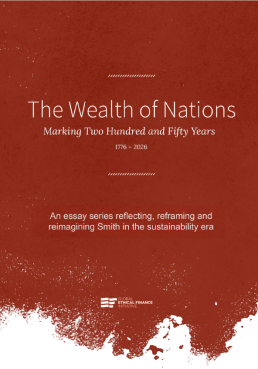
A major new publication marking the 250th anniversary of Adam Smith’s The Wealth of Nations has been launched by the Global Ethical Finance Initiative (GEFI), in partnership with Royal London, bringing together leading voices to explore the future of markets, morality and prosperity.
Launched during the Edinburgh Finance Festival, The Wealth of Nations: Marking Two Hundred and Fifty Years examines how Smith’s ideas can help inform contemporary debates around trust, responsible investment, technological disruption, sustainability and long-term economic resilience.
The publication features 19 contributors from across finance, policy and academia and is structured around four themes: Smith Revisited, ESG at a Crossroads, Global Markets, Global Knowledge, and Reimagining the Purpose of Markets.
Contributors include Dr Mahmoud Mohieldin, United Nations Special Envoy on Financing the 2030 Sustainable Development Agenda; economist and author Sir John Kay; Saker Nusseibeh CBE, Chief Executive of Federated Hermes Limited; Eva Cairns, Head of Responsible Investment at Scottish Widows; and Tan Sri Azman Mokhtar, Chairman of INCEIF University.
Dame Susan Rice, Chair of GEFI’s Global Steering Group, said:
“Two hundred and fifty years after the publication of The Wealth of Nations, many of the questions Adam Smith grappled with remain highly relevant. How do markets create prosperity? What responsibilities accompany wealth? And what role do institutions play in maintaining trust?
This publication brings together a diverse range of perspectives to explore those questions and encourage a richer conversation about the future purpose of markets and finance. Our hope is that it contributes not only to reflection, but to practical action.”
The publication builds on GEFI’s 2021 publication, The Wealth of Nations in the 21st Century, launched during COP26 in Glasgow, and forms part of the organisation’s Radical Old Idea series exploring the relationship between finance, ethics and long-term societal wellbeing.
Barry O’Dwyer, Group CEO of Royal London, said:
“The question is no longer simply how markets can grow, but how they can continue to function effectively over time. Seen through that lens, purpose and profit are not competing objectives. The task before us is not simply to look backwards with reverence, but to look forwards with moral imagination: to ask what kind of economy we are building, whom it serves, and whether it is capable of enduring. The essays in this report examine responsible investment and stewardship not as trends or labels, but as approaches to address the real, material challenges facing the financial system.”
The publication was launched at Ethical Finance Global 2026 in Edinburgh and supported by launch events during London Climate Action Week, bringing together contributors and senior leaders to discuss how the ideas explored in the collection can be translated into practical action.
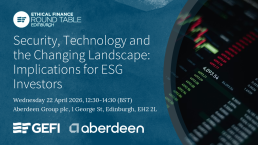
Security, Technology and the Changing Landscape: Implications for ESG Investors
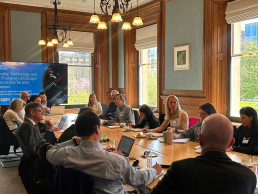

GEFI’s latest Ethical Finance Round Table brought together senior representatives from across the investment and sustainability community to explore how geopolitical instability, technological change, and shifting public policy signals are reshaping ESG investment frameworks. The discussion focused in particular on the evolving role of defence, the rise of dual-use technologies, and the implications for values-based investing.
Opening Perspectives: Data, Definitions and Disruption
The session opened with two perspectives, including an overview of the long-standing data challenges associated with assessing defence exposure. Participants noted that definitions of defence-related activities remain inconsistent across ESG data providers, with differing classifications, thresholds, and treatment of enabling technologies.1 This lack of standardisation continues to create uncertainty for investors, particularly as modern defence systems increasingly include areas such as drones, software, satellites, and AI-enabled capabilities that do not fit neatly into traditional categories
Diverging Perspectives on Defence
Discussion then turned to how investor and client views are evolving. While recent geopolitical developments and strong sector performance have prompted more frequent questions about the absence of defence exposure in portfolios, this has not necessarily translated into a shift in mandates. In many cases, clients are seeking greater transparency and explanation rather than actively requesting inclusion. At the same time, a significant cohort, particularly among faith-based, charitable, and values-led investors, continues to prioritise alignment with underlying principles, even where this may limit returns. As a result, approaches to defence are becoming more differentiated rather than converging.
Fiduciary Duty and Values Alignment
Participants explored the tension between fiduciary duty and values alignment, noting that the role of the asset manager is often not to define what is ethical, but to provide clear frameworks and processes that allow clients to make informed decisions. The 2022 invasion of Ukraine was widely seen as an inflection point, shifting how defence, security, and technology are considered within ESG frameworks and prompting a broader reassessment of the relationship between markets, national security, and long-term stability.
Dual-Use Technologies and the Expanding Boundary of Defence
The increasing importance of dual-use technologies adds a further layer of complexity. Many capabilities, particularly in AI, data, and digital infrastructure, originate in civilian contexts but are subsequently applied in defence settings. This raises difficult questions about where to draw boundaries, especially where revenue exposure may not fully capture the significance of a technology. Participants also noted that controversy data often lags real-world developments, limiting its usefulness in assessing emerging risks.
Applying ESG in Complex Sectors
In practice, investors continue to use a combination of revenue thresholds, exclusions, and engagement to manage defence exposure. However, applying these tools consistently remains challenging. Complex corporate structures, diversified revenue streams, and long-term government contracts can make it difficult to determine the true extent of involvement. While exclusions remain important for signalling alignment with client values, they are often seen as limited in their real-world impact. Engagement offers a route to improve transparency and governance, but its effectiveness is constrained where there is no credible pathway for change.
Governance, Risk and Scrutiny
Governance and reputational considerations were also central to the discussion. Defence-related companies are subject to heightened scrutiny, particularly in relation to conduct, oversight, and corruption risks. Participants noted growing client focus on disclosure quality and decision-making processes, rather than purely binary inclusion or exclusion decisions.
Policy Tailwinds and Market Realities
The broader market and policy context was also highlighted. Approaches to defence exposure vary across ESG and sustainability labelled funds and can limit holdings depending on mandates and objectives. At the same time, UK and European policy signals are increasingly supportive of defence as a strategic sector, linked to economic resilience and sovereign capability.
One participant challenged the extent to which ESG frameworks are meaningfully constraining defence investment at all, noting that capital allocation in the sector is primarily driven by government spending, procurement decisions, and broader market dynamics. This prompted reflection on whether ESG is sometimes overstated as a driver of outcomes in this space.
Conclusion: Differentiation, Not Convergence
Overall, the discussion highlighted that there is no settled consensus on defence within ESG investment. Approaches are becoming more nuanced and more varied, reflecting differing interpretations of risk, responsibility, and values. While greater clarity and consistency in definitions would support investors, the complexity of the issue, especially in relation to technology and geopolitics, means that divergence is likely to persist.
1 MSCI classifies companies based on revenue exposure to conventional and controversial weapons (including cluster munitions, landmines, and biological or chemical weapons) within its ESG screening framework. Sustainalytics and ISS ESG apply similar distinctions between controversial and conventional weapons, but differ in scope, revenue thresholds, and the treatment of military contracting and defence-enabling technologies.
SDG Hive ASEAN 2026: Financing Our Shared Prosperity
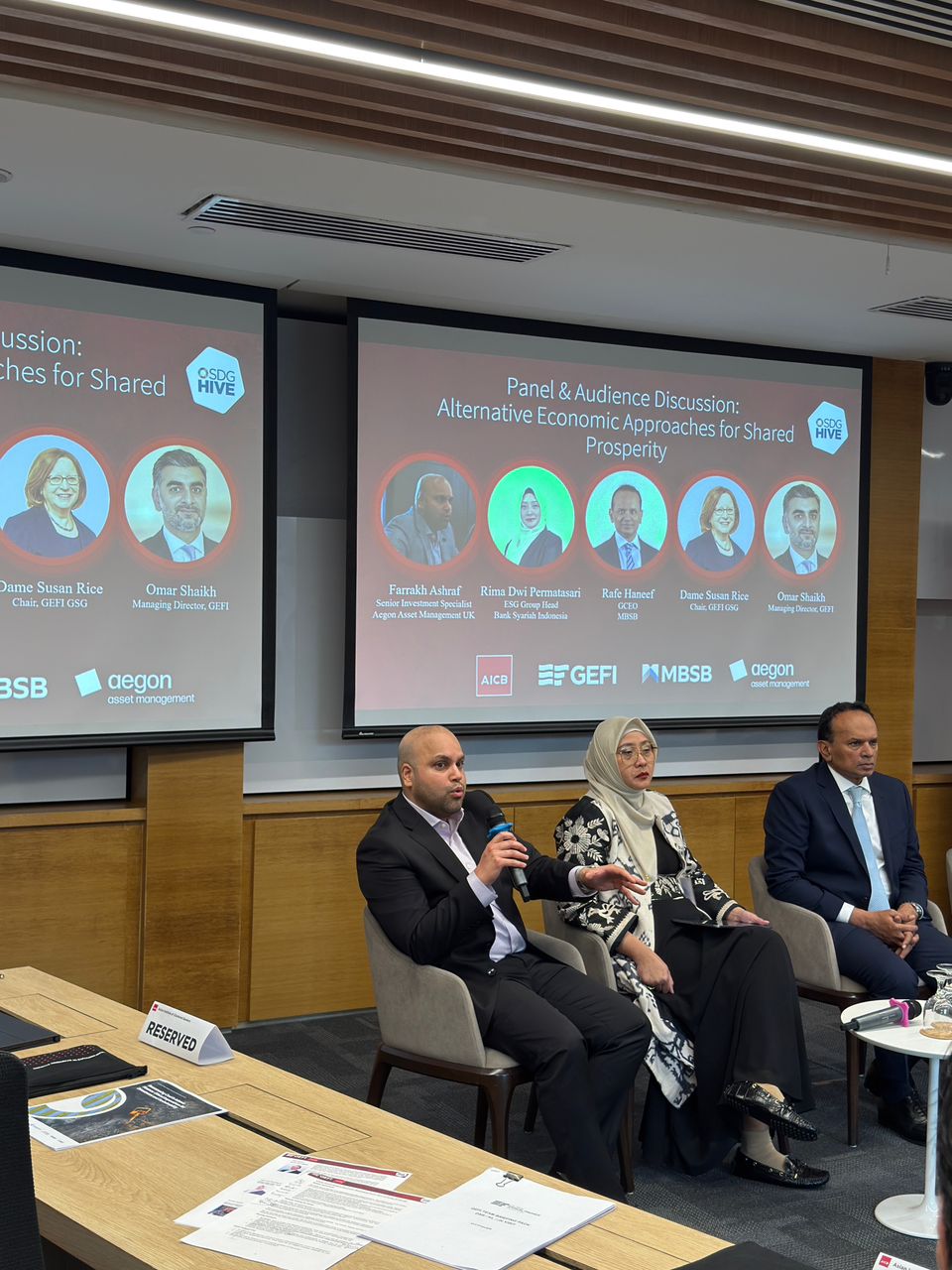
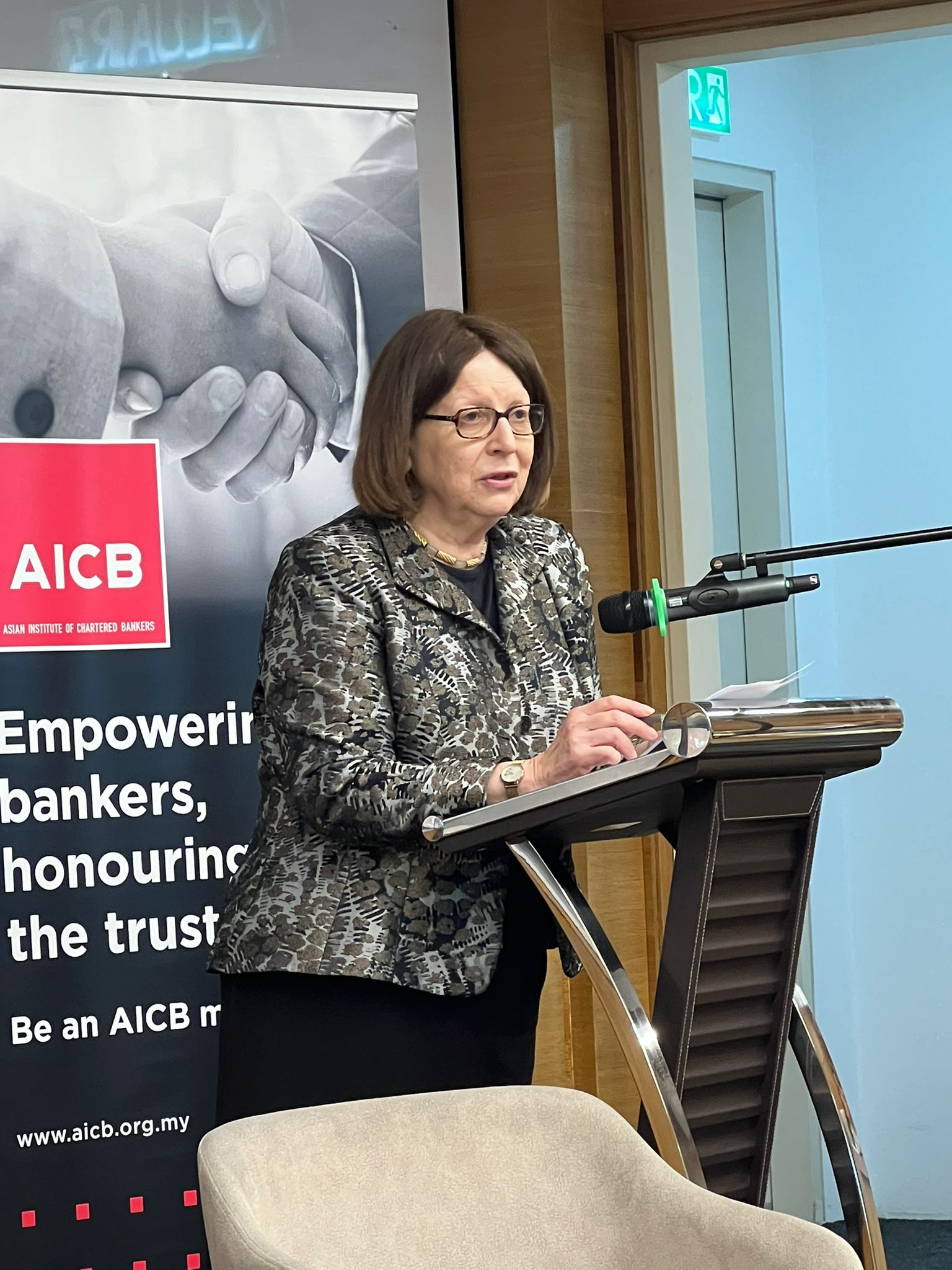
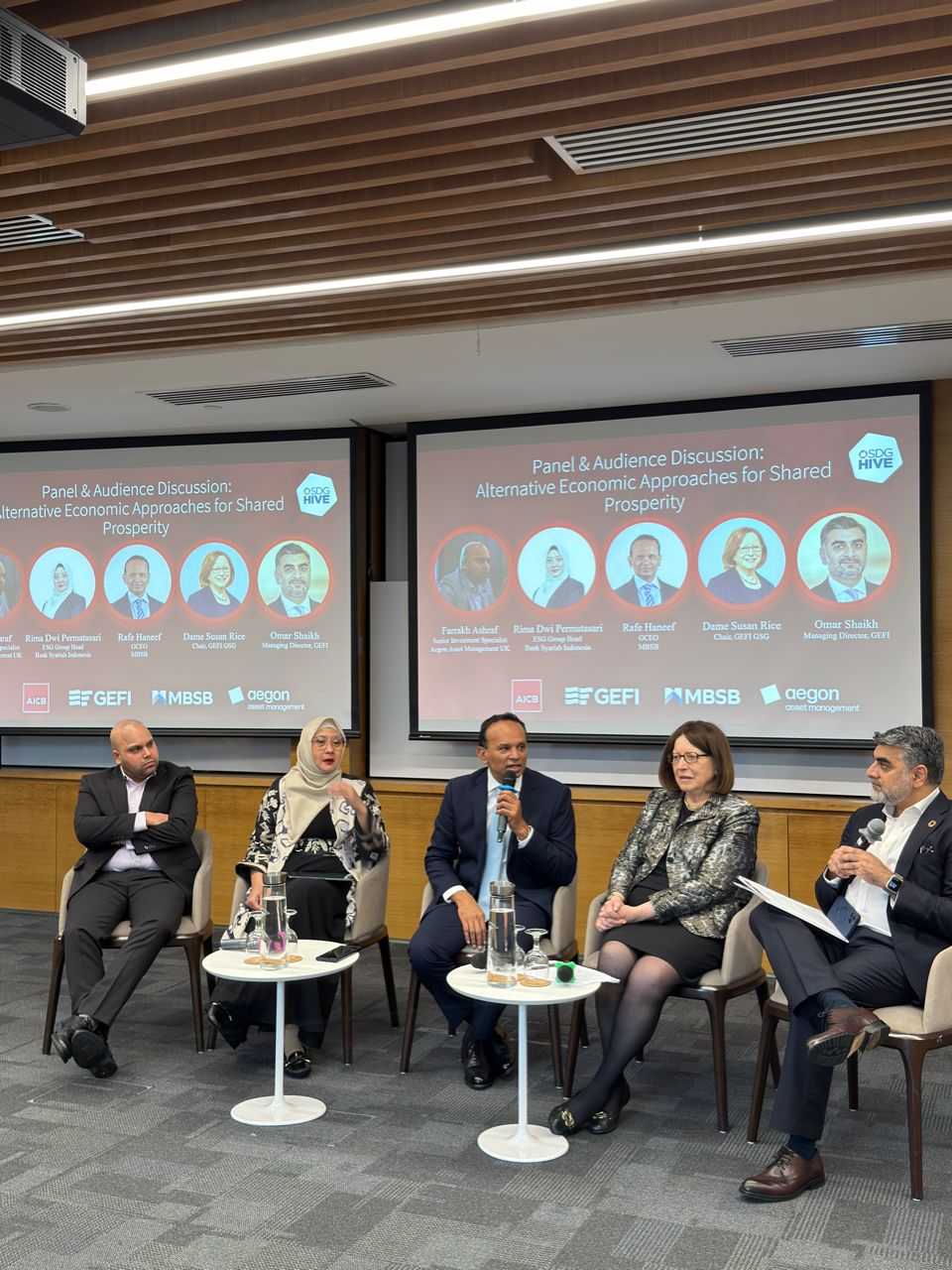
The second SDG Hive session shifted the focus from Islamic finance specifically to a broader question: what is finance ultimately for?
Opening the session, Dame Susan Rice delivered her keynote, Wealth of Nations, Health of the Planet, marking 250 years since Adam Smith’s The Wealth of Nations. She reminded participants that Smith was not only an economist, but a moral philosopher. Markets, she argued, are not morally neutral. Without trust and conscience, they drift.
Reflecting on ESG backlash, greenwashing, and speculative cycles, Dame Susan emphasised that culture, not compliance, determines whether finance serves society.
From Moral Framing to Market Practice
The panel discussion that followed, moderated by Omar Shaikh, explored what this means in practice across Southeast Asia.
Rafe Haneef, Group CEO of MBSB, described how development-focused banking increasingly requires acting as an ecosystem builder for SMEs, not simply a capital provider. Success must be defined by resilience and long-term value creation.
Rima Dwi Permatasari, Group Head ESG at Bank Syariah Indonesia, highlighted that Islamic finance does not automatically produce inclusive outcomes. Risk-sharing models and sustainability sukuk must be deliberately structured to support real-economy resilience.
Farrakh Ashraf, Senior Investment Specialist at Aegon Asset Management (Aegon AM), offered the asset management perspective. ESG frameworks, he argued, are not simply ethical overlays but tools for assessing systemic risks, climate, governance, and social instability, that directly affect long-term portfolio resilience.
The session concluded with a clear message: shared prosperity will not emerge from capital flows alone. It requires redesigned incentives, stronger institutional culture, and a deeper alignment between finance and moral purpose.
SDG Hive ASEAN 2026: Unlocking Islamic Sustainable Finance
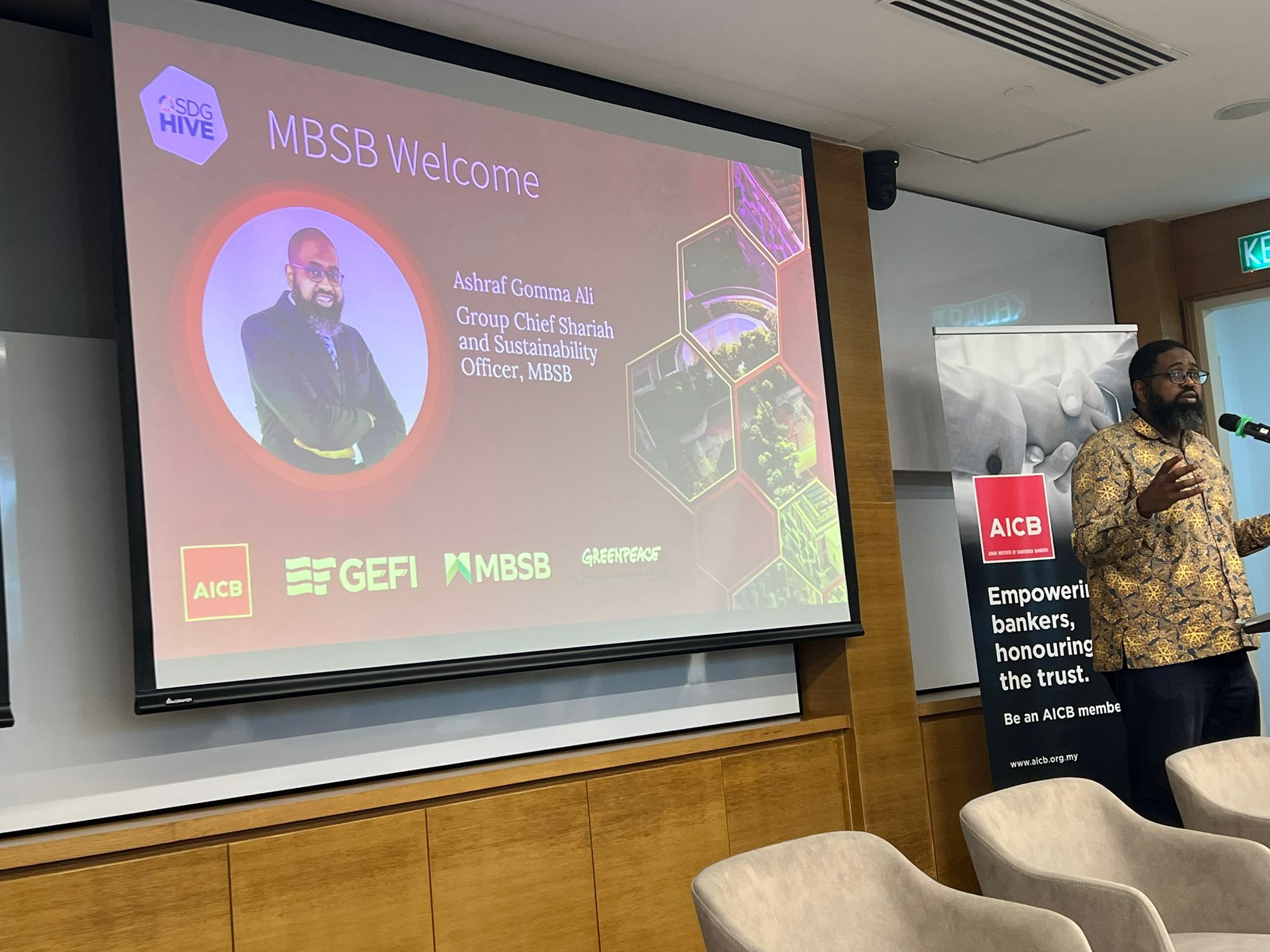
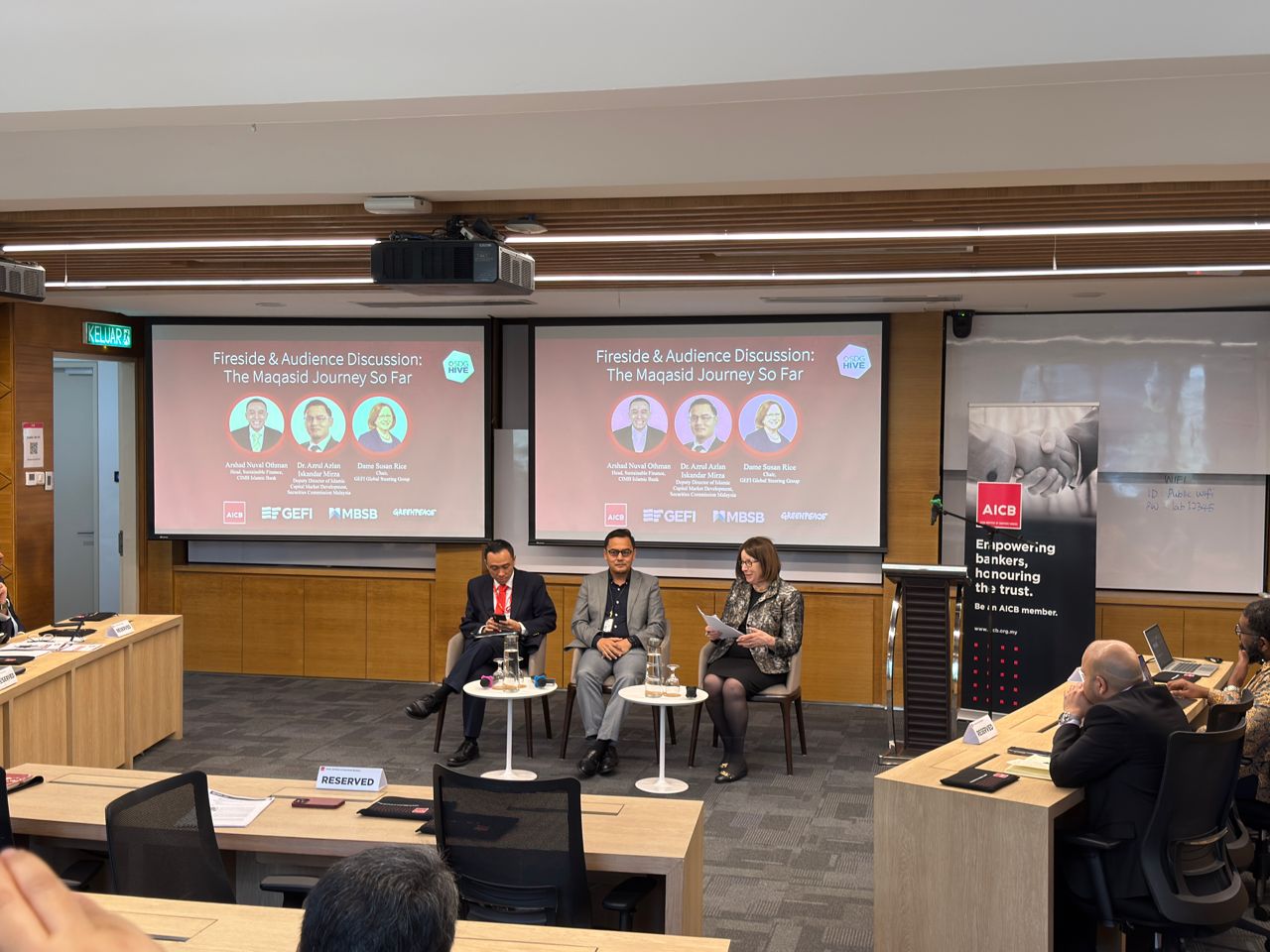
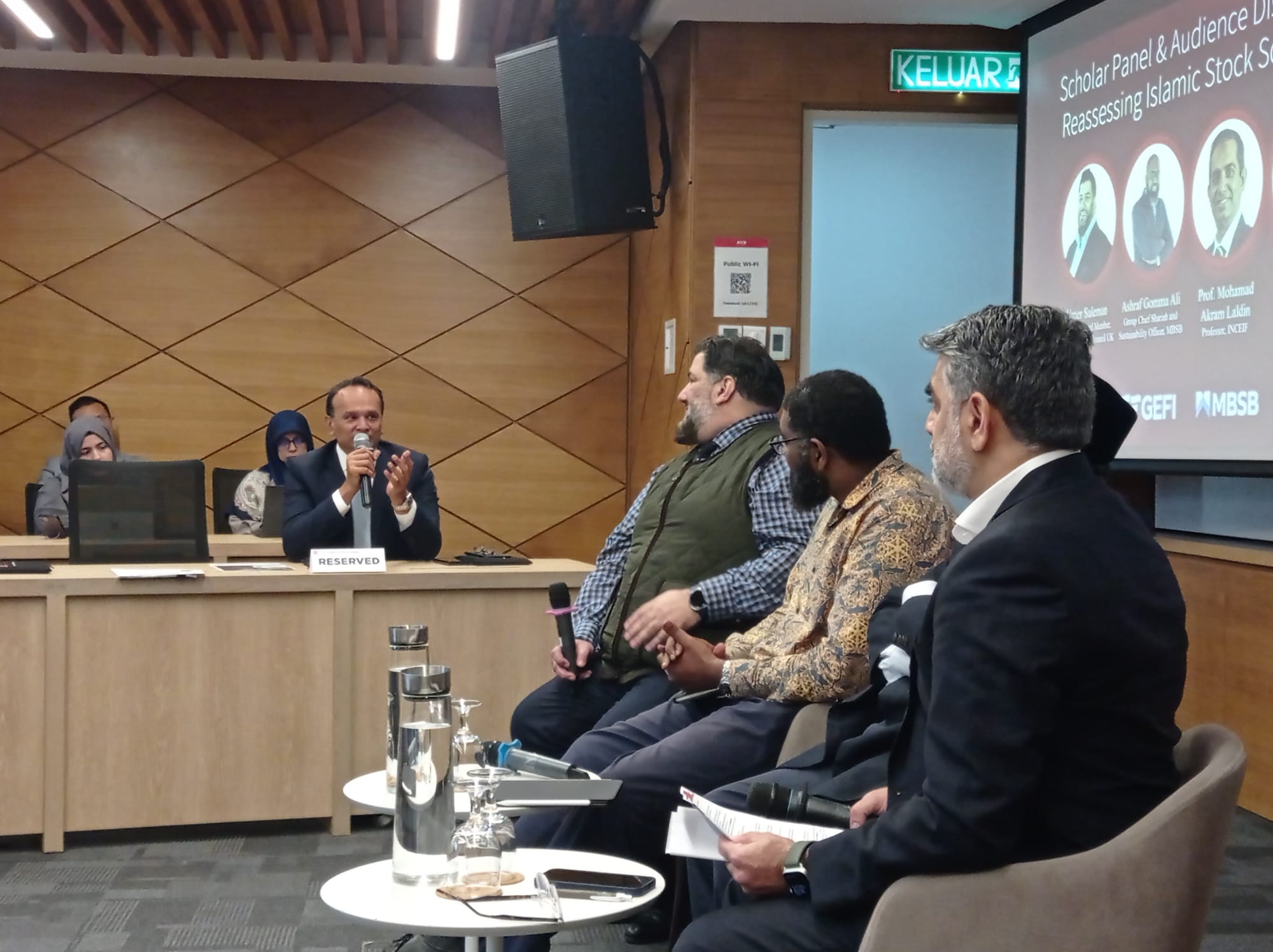
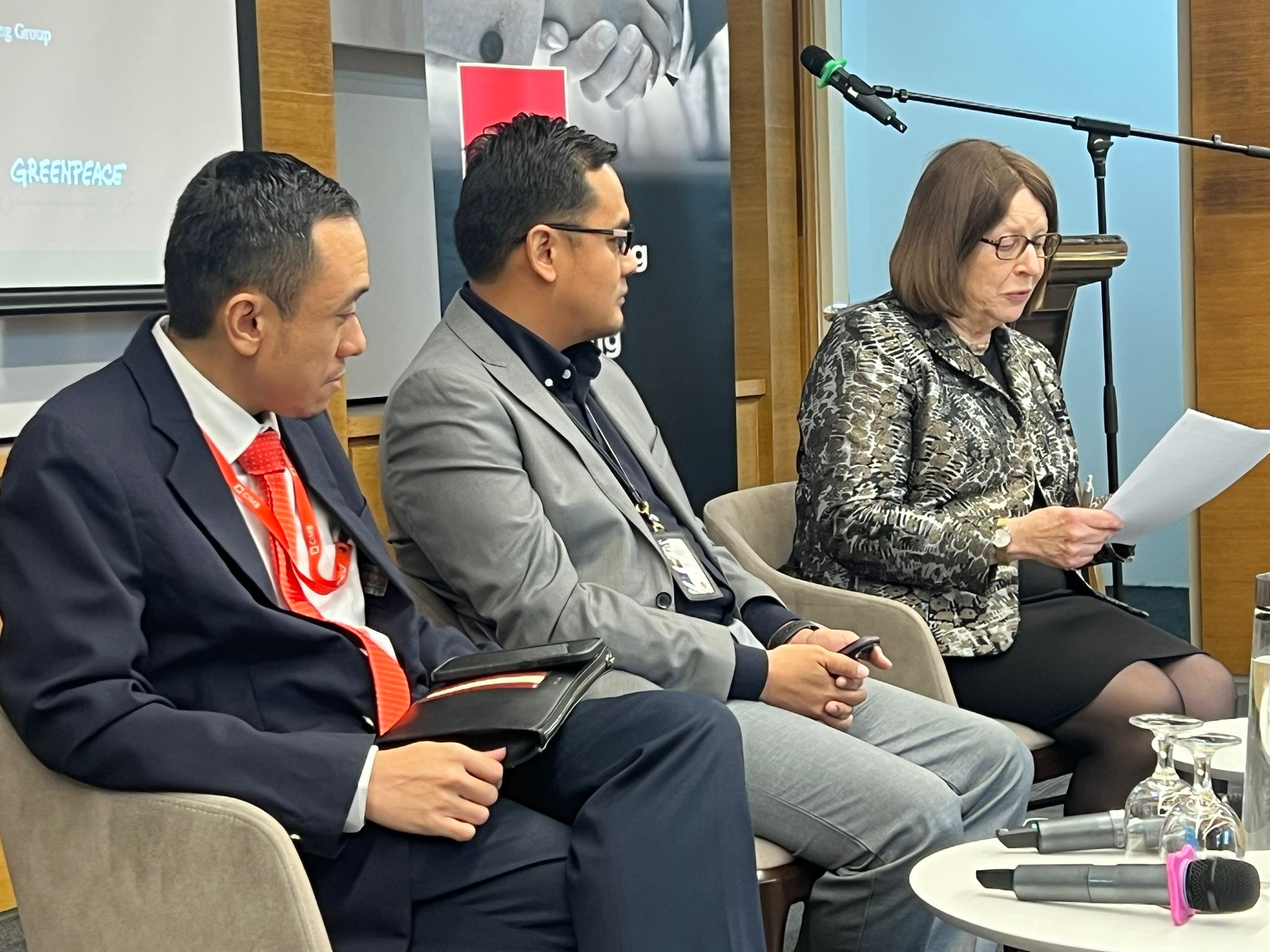
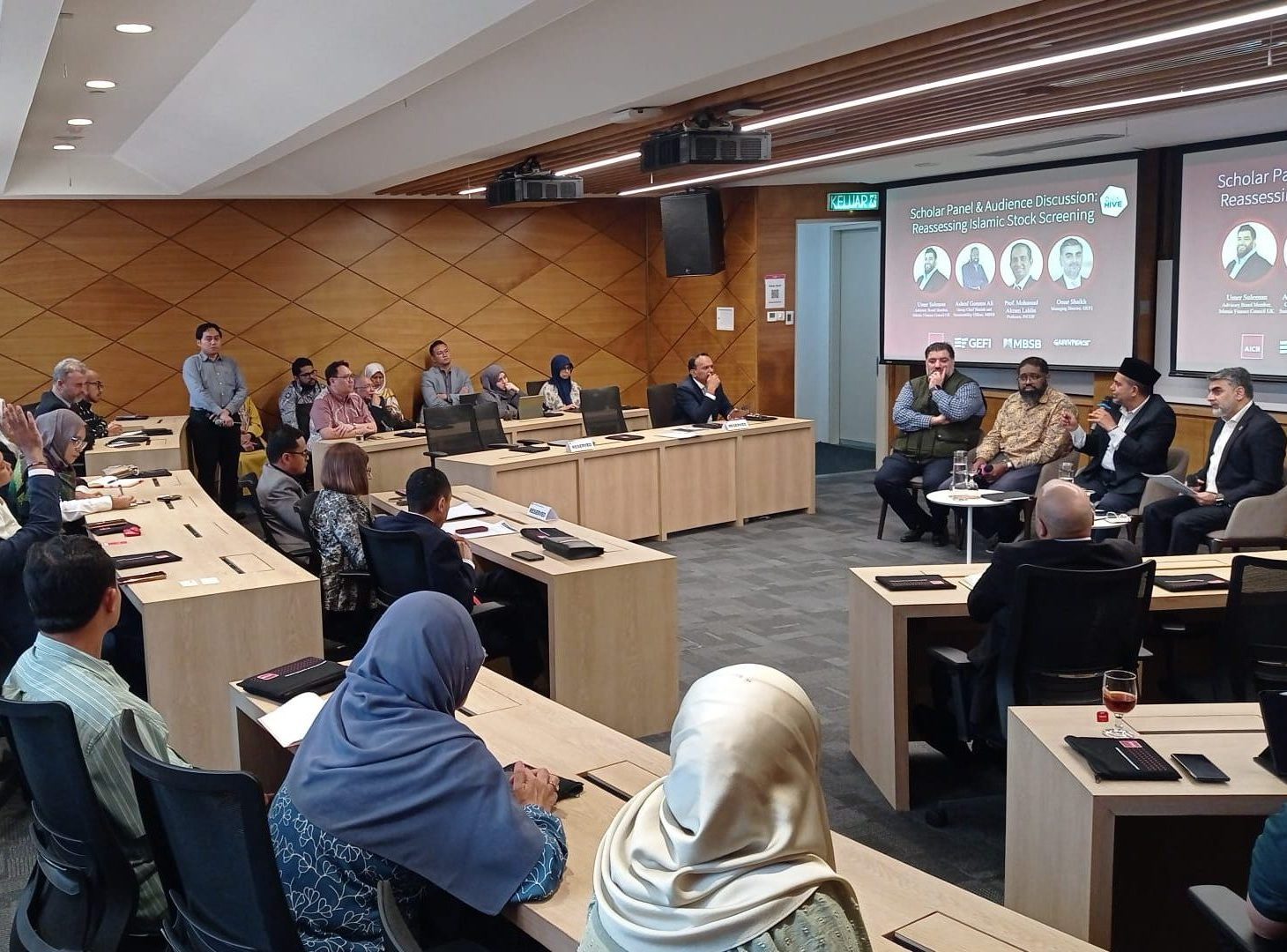
On Thursday 5th February 2026, alongside Ethical Finance ASEAN 2026, senior practitioners, scholars and policymakers gathered at the Asian Institute of Chartered Bankers (AICB) in Kuala Lumpur for the first SDG Hive session: Unlocking Islamic Sustainable Finance
Participants were welcomed by Ashraf Gomma Ali, Group Chief Shariah and Sustainability Officer at MBSB, and Shireen Kandiah, Director of Sustainability, Marketing and Communications at AICB, setting the tone for an interactive, debate-style session focused not on theory, but on market reality.
The central question was clear: how can Islamic finance move beyond compliance-based screening toward a more holistic, impact-driven approach anchored in Maqasid al-Shariah and the principles of tayyib, purity, responsibility, and societal wellbeing?
The Maqasid Journey So Far
The opening fireside discussion, moderated by Dame Susan Rice, Chair of GEFI, explored how Malaysia’s Maqasid-aligned guidelines have begun shifting the conversation from form to purpose.
Dr Azrul Azlan Iskandar Mirza of the Securities Commission Malaysia reflected on the intent behind the guidelines: to embed Maqasid not as a marketing label, but as a framework shaping governance, product design and capital allocation.
From a practitioner’s perspective, Arshad Nuval Othman, Head of Sustainable Finance at CIMB Islamic, highlighted the operational realities of implementation. Translating Maqasid into day-to-day decision-making requires more than aspiration, it demands internal capability, board-level buy-in, measurable KPIs, and alignment with emerging sustainability frameworks, including carbon market developments across ASEAN.
Reassessing Coal in Islamic Finance: The Scientific Case
The session then turned to one of the most pressing test cases for Islamic sustainable finance: coal.
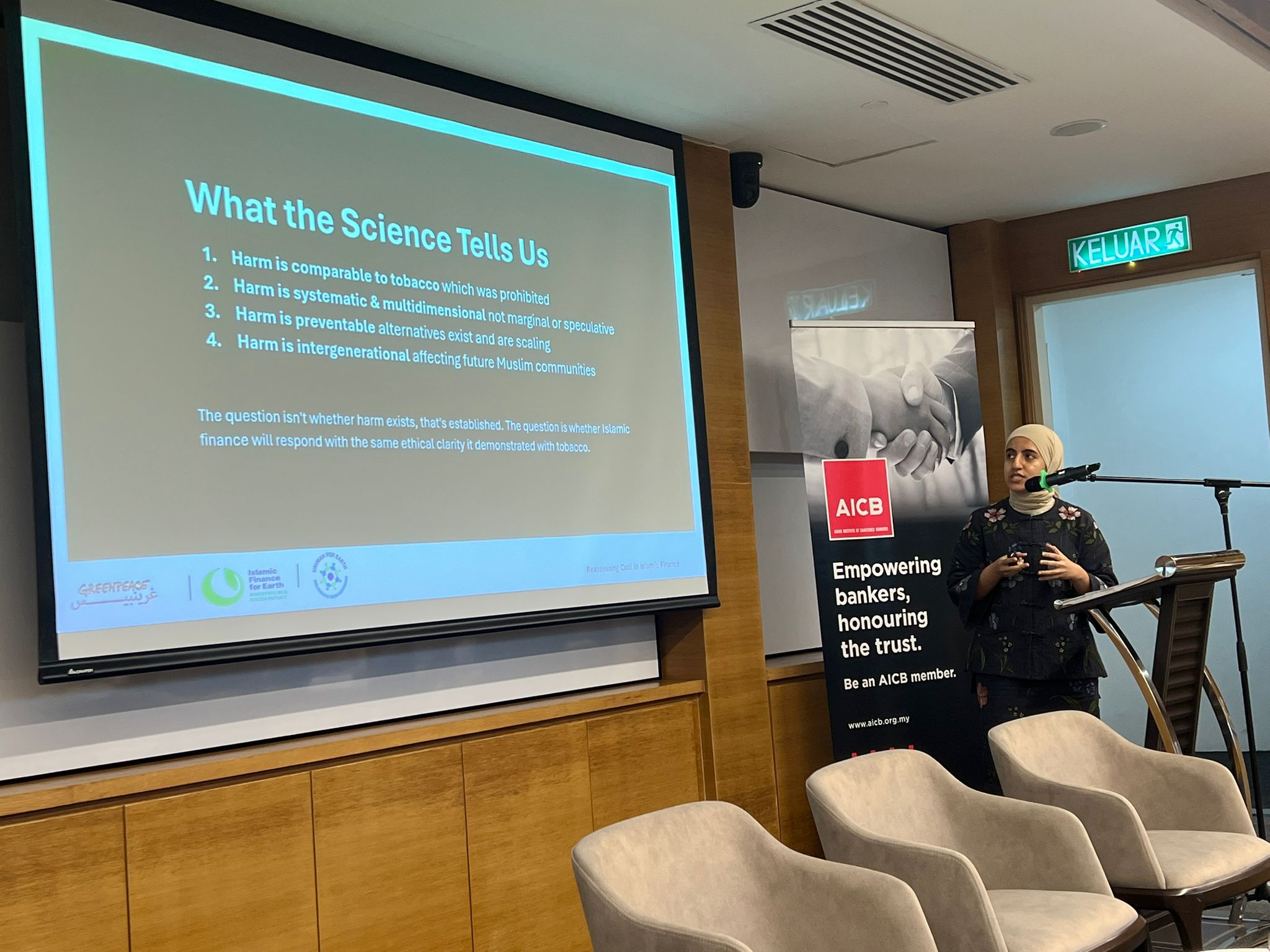
Hamizah Shamsudden, Climate and Energy Campaigner at Greenpeace Malaysia, presented the scientific underpinning of the Reassessing Coal in Islamic Finance report..
Her presentation drew on peer-reviewed medical research, IPCC and IEA climate science, and economic data from the World Bank and WHO. The argument was not framed as activism, but as evidence-based analysis.
Key findings included:
- Health impacts: Coal-related air pollution contributes to millions of premature deaths globally. A 2023 US study linked coal emissions to approximately 460,000 deaths between 1999 and 2020, with coal-based particulate pollution found to be more than twice as deadly as other sources. Globally, air pollution causes 6.7 million premature deaths annually, comparable in scale to tobacco.
- Disproportionate burden: Pregnant women, children, and low-income communities bear the heaviest impact.
- Economic costs: Pollution-related damages amount to an estimated $8.1 trillion annually, around 6% of global GDP.
The presentation closed with a stark ethical parallel: Islamic finance prohibited tobacco once its harm became clear. The question now is whether coal presents a similar moment of moral clarity.
Scholar Debate: Translating Evidence into Screening
The final segment, moderated by Omar Shaikh, Managing Director of GEFI, brought together Prof. Dr Mohamad Akram (INCEIF), Ashraf Gomma Ali (MBSB), and Umer Suleman (Wahed/UKIFC).
This was not a forum for issuing rulings, but for surfacing where consensus may be emerging, and where tensions remain.
From a juristic and Maqasid perspective, the discussion examined whether contemporary scientific evidence fundamentally alters the classification of coal. If harm is now systematic, multidimensional and preventable, does that change the threshold for permissibility?
Umer Suleman reflected on areas of convergence from the earlier scholarly workshop, particularly around acknowledging material harm. However, practical implementation raises complex questions: should stock screening remain binary, or move toward a graduated framework that distinguishes between pure-play coal exposure and transitional contexts?
Ashraf Gomma Ali offered the banking lens. As both Shariah and sustainability leader at MBSB, he emphasised the importance of translating evolving scholarly thinking into credible board guidance, product design and portfolio decisions. The challenge is not only theological consistency, but operational clarity.
Beyond Screening: A Broader Trajectory
The Unlocking Islamic Sustainable Finance session made one thing clear: the debate is no longer about whether Islamic finance should engage sustainability. It is about how deeply and how credibly.
Maqasid alignment demands more than excluding harm, it requires proactive alignment with human flourishing, environmental stewardship and long-term resilience. Coal has become a litmus test for that ambition.
As Islamic finance continues to mature across ASEAN and beyond, its credibility will increasingly rest not only on compliance with form, but on its willingness to confront systemic harm with intellectual rigour and moral consistency.
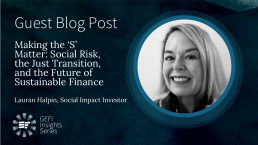
Making the ‘S’ Matter: Social Risk, the Just Transition, and the Future of Sustainable Finance
The Sustainable Finance landscape has witnessed dramatic upheaval in the last few years driven by backlash to the perceived ills of the industry including greenwashing and overpromising, a politicised or ‘woke’ agenda, and increasingly burdensome reporting regimes. 2025 appears to have been somewhat of a turning point in this upheaval with many financial and investment firms around the world settling on a strategy of continuing their work on sustainable products and practices with less public promotion or fanfare and more focus on working towards intelligent reporting frameworks which are additive to the client experience. This is bringing the focus of Sustainable Finance firmly back to the core principle of doing the work for the sake of client returns and real, positive change in the environment and society. This focus on what’s ‘important’ rather than what’s ‘fashionable’ opens the door to even more positive evolution in the industry in 2026 and I, for one, am extremely excited to see where this leads our community.
One of the areas I think is going to see increased awareness and innovation in 2026 and beyond is the incorporation of social risks and opportunities into Sustainable Finance products, reporting, and decision-making in a more concrete, intentional way. Gone are the days of the ‘S’ in ESG being cast aside as ‘too hard’ or beyond the scope of current sustainability tools, stewardship or reporting frameworks, and performance indices.
Increasingly, professionals in our industry are seeing sustainable risks and opportunities as systems-level problems to be untangled using innovative solutions derived from a holistic, rather than siloed, view of environmental, governance, and social issues. This holistic take on sustainability issues allows social risks and opportunities to come to the fore as a key component of tackling vital challenges such as the Just Transition without getting lost in favour of environmental issues. This advancement in Sustainable Finance is absolutely vital as we cannot simply focus on the environmental aspects of issues such as climate change or protecting nature without a thorough evaluation of the social externalities – intended and unforeseen. We cannot continue to pursue climate and nature mitigation strategies without protecting communities and working to prevent further bifurcation between global ‘haves’ and ‘have nots’ as the Green Transition must also function credibly as a Just Transition – our shared prosperity depends on it.
Facilitating this increased focus on social aspects of Sustainable Finance is work happening across the globe to better understand, categorise, and capitalise on social risks and opportunities.
In Europe, we eagerly await the arrival of guidance from the Taskforce on Inequality and Socially-Related Financial Disclosures – the first attempt at creating guidelines for understanding and reporting on risks and opportunities as they relate to people and communities around the world. This will help bracket the discussion of social factors as they relate to sustainable finance products and practices and help quantify and qualify social impact and externalities.
“We think about this through a systemic lens… aggregations of inequality (like low pay in individual entities) we believe drive system level risk in three ways: societal stability risk, macroeconomic risk, and financial stability risk”.
~ Simon Rawson, Executive Director, TISFD
"As a bank, we should [be looking and social and inequality issues] because it’s the right thing to do, but we need to look at by the different roles we have… because each one of those roles have a different impact on social risks.”
~ Amanda Zilig, Global Human Rights Program Lead, ING
In ASEAN, a vital recognition of the diversity of stakeholder groups within specific countries as well as the broader region is leading the way in developing products and solutions – such as project finance or small and micro-lending – intended not to deliver broad stroke improvement but progress according to tightly defined impact Key Performance Indicators specific to individual groups. This innovation improves the ability of financial institutions to monitor and report on the actual progress being made through the use of sustainable finance products. I am truly excited to see how this work develops in the region and beyond and I think there is a great deal of learning the rest of the world can gain from ASEAN in this regard.
Whilst the past few years have been difficult for the Sustainable Finance industry, I think that difficulty has and will continue to lead to a tighter focus on creating and running more credible and better designed products which can only be good for the future of our industry. In 2026 and beyond, as different regions focus on innovating to meet the needs of their clients and communities, I look forward to working together to find financial and investment solutions which both achieve client goals and drive meaningful change in the world around us.
This article was co-authored by Lauran Halpin.
Lauran recently participated in a GEFI Insights Series Asset TV episode. Click here, to watch her discussion with TISFD’s Executive Director Simon Rawson and Amanda Zilig, Global Human Rights Programme Lead at ING.