
The final ESG Majlis of the year took place at the White & Case office in Dubai on Wednesday 29th October 2025 with the discussion focussed on Rethinking Islamic Stock Screening.
ESG Majlis Dubai
The session brought together industry leaders, scholars, and sustainability practitioners to explore how Islamic finance can evolve in response to modern environmental, social, and ethical challenges. The discussion centred on aligning Shariah principles with global sustainability frameworks while preserving the integrity of Islamic finance.
Key discussion points that were covered during the interactive and dynamic session have been summarised below.


Ethical Integration and the Role of Islamic Finance
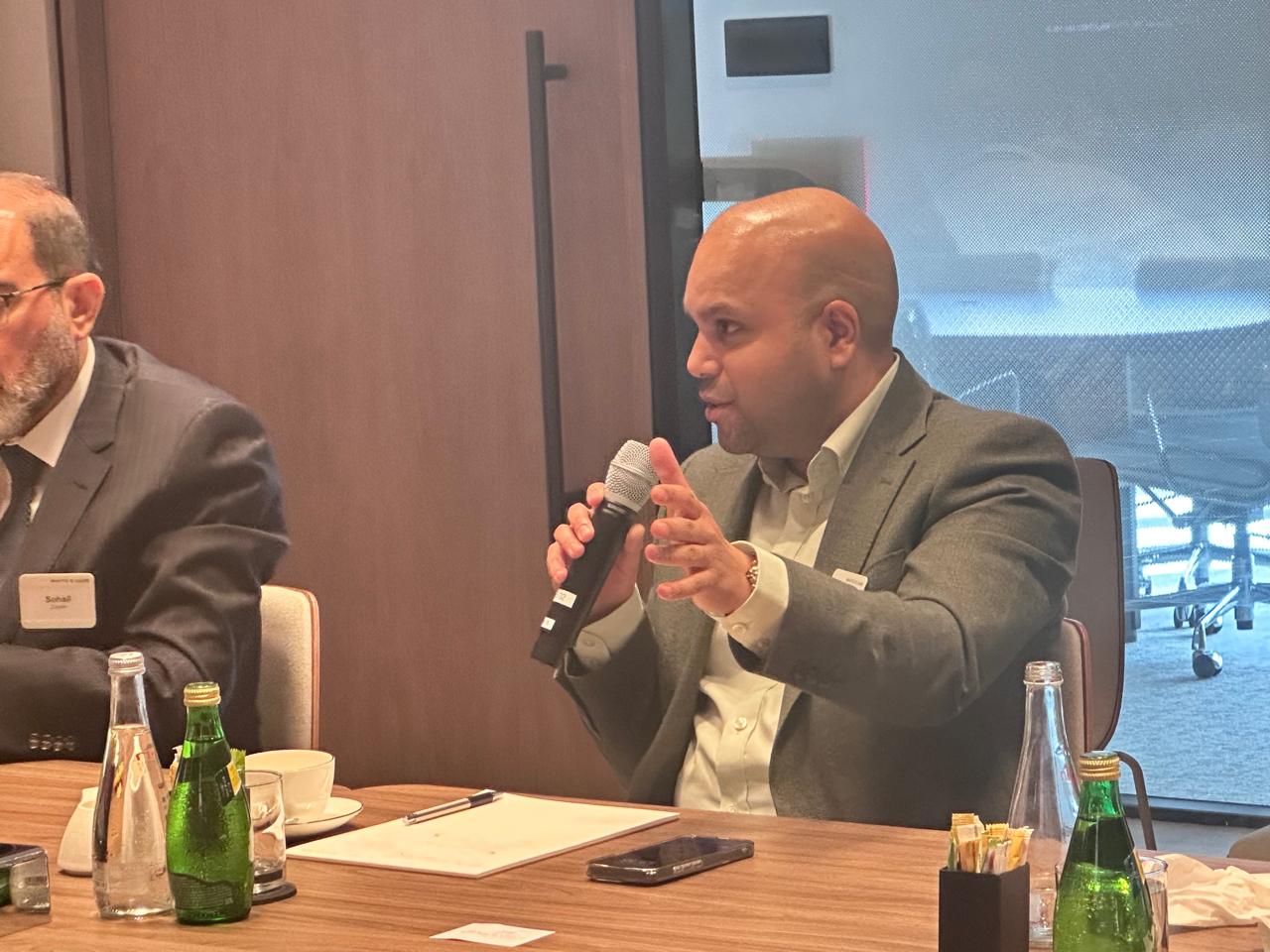
Participants began by examining how Islamic finance could play a more active role in supporting sustainable business practices. The discussion highlighted the need to balance commercial interests with ethical imperatives, particularly in sectors such as fossil fuels, drawing parallels to how the tobacco industry was excluded based on the principle of harm. The group acknowledged that Islamic finance, rooted in justice and stewardship, has strong potential to contribute to global climate goals if its screening methodologies evolve to incorporate environmental and social considerations more fully.
ESG, Energy Security, and Evolving Standards
The session delved into the integration of ESG and human rights factors within Islamic finance, particularly regarding energy security and the role of technology. Participants discussed the need to weigh environmental and ethical concerns alongside market realities. The example of the UK Government’s decision to cease promoting oil and gas exports underscored the complexity of managing energy transition policies within a competitive global market.
Evaluating Environmental Impact: Gold and Coal
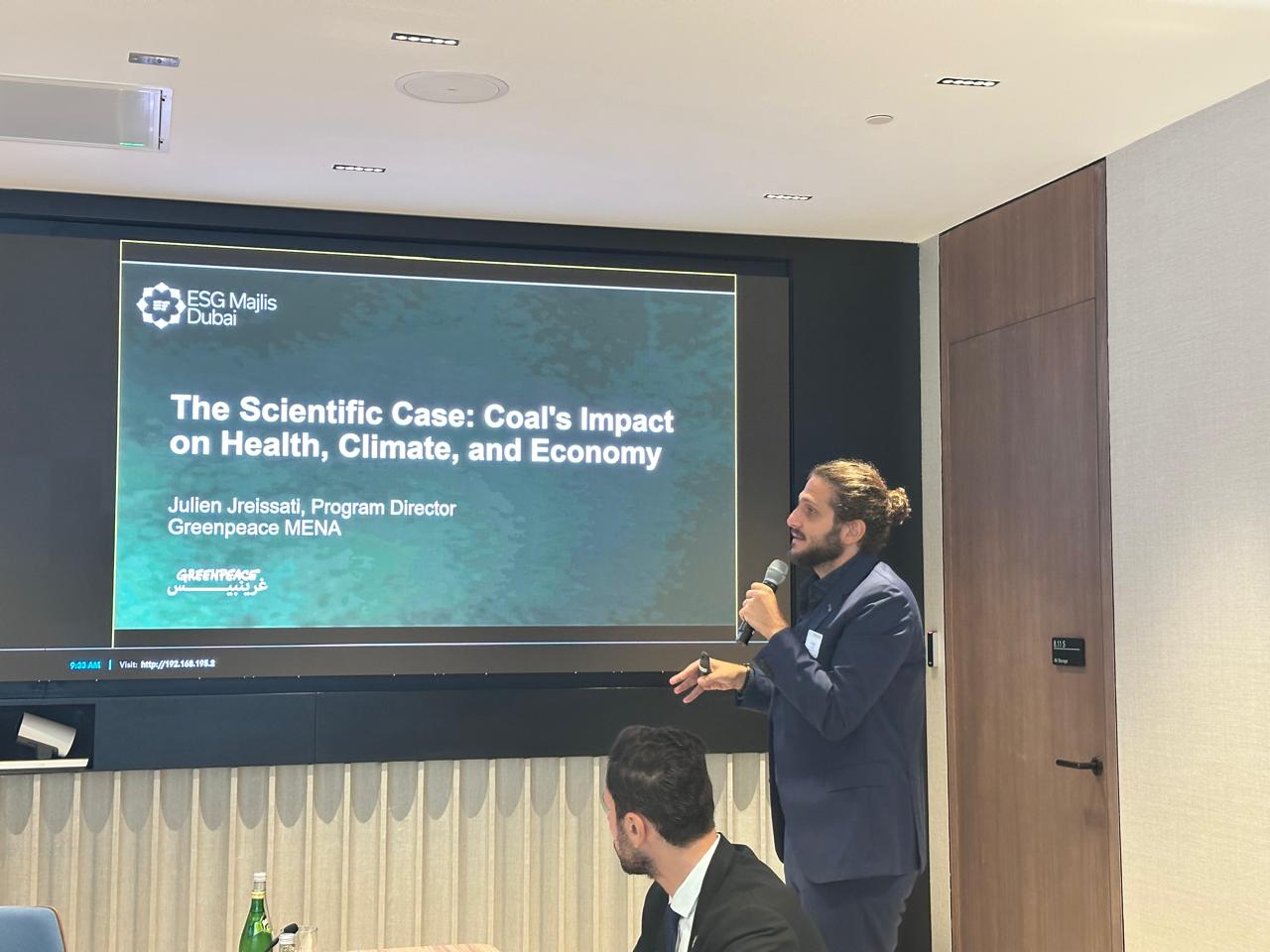
A key theme was the environmental and human toll of industries traditionally deemed permissible under Shariah. Data presented on gold-related pollution and mortality rates raised questions about the moral basis for investment in such sectors, while the discussion on coal underscored its dual role as both an environmental hazard and a transitional energy source. Participants agreed on the need for a more evidence-based, scientific approach to evaluating these industries, recognising that divestment strategies must be sensitive to local economic realities.
Towards a Systematic Approach to Screening
Participants emphasised that Islamic screening should move beyond static sectoral exclusions toward a systematic framework that evaluates activities based on their real-world harms and benefits. The conversation explored how certain industries—such as mining, tobacco, and alcohol—could be assessed holistically, considering social impact, environmental damage, and economic necessity. It was noted that Greenpeace will release a paper on this topic to guide further discourse on harmonising ethical, environmental, and financial criteria.
Universal Shariah Interpretations and Modern Industry
The round table also addressed the challenge of ensuring consistency among Shariah scholars when issuing rulings on modern industries such as oil, gas, and mining. Participants debated whether such determinations should rest solely with Shariah boards or involve risk and sustainability professionals, highlighting the need for interdisciplinary collaboration in shaping credible, forward-looking Islamic financial standards.
Defining Sustainable Debt and Asset Classification
Discussion turned to sustainable debt frameworks and the need for clear asset classification criteria. Participants noted the difficulty of establishing consistent standards for what constitutes a “sustainable” or “green” Shariah-compliant asset, calling for greater regulatory clarity and guidance. The group also discussed whether Shariah compliance should extend to compensation and onboarding processes, concluding that it should be mandated only where explicitly required by regulators.
The Environmental Dimension of Islamic Finance
The session concluded by exploring the broader environmental impacts of Islamic finance. While fossil fuels remain a contentious issue, participants cautioned against blanket divestment, noting that fossil fuel revenues can support renewable energy development—especially in emerging markets. The consensus was that Islamic finance should adopt a nuanced approach, distinguishing between abated and unabated activities, while championing a stewardship-based economic model that promotes both ethical integrity and environmental sustainability.
Summary
The Rethinking Islamic Stock Screening round table offered a thought-provoking exploration of how Islamic finance can evolve to address modern sustainability challenges. Key takeaways included:
- The importance of integrating ESG and ethical considerations within Shariah screening frameworks.
- The need for systematic, evidence-based evaluation of industries based on harm and benefit.
- Recognition of the moral and environmental implications of investments in gold, coal, and other extractive sectors.
- Calls for consistent, universal Shariah rulings informed by scientific and risk-based insights.
- The urgency of developing clear, credible frameworks for sustainable and green Islamic financial instruments.
The discussion underscored that rethinking Islamic stock screening is not about redefining Shariah principles but about reapplying them in a way that meets the ethical and environmental challenges of the 21st century.