
ESG Majlis: Reassessing Coal in Islamic Stock Screening
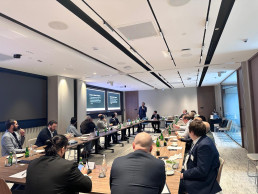
The final ESG Majlis of the year took place at the White & Case office in Dubai on Wednesday 29th October 2025 with the discussion focussed on Rethinking Islamic Stock Screening.
ESG Majlis Dubai
The session brought together industry leaders, scholars, and sustainability practitioners to explore how Islamic finance can evolve in response to modern environmental, social, and ethical challenges. The discussion centred on aligning Shariah principles with global sustainability frameworks while preserving the integrity of Islamic finance.
Key discussion points that were covered during the interactive and dynamic session have been summarised below.


Ethical Integration and the Role of Islamic Finance
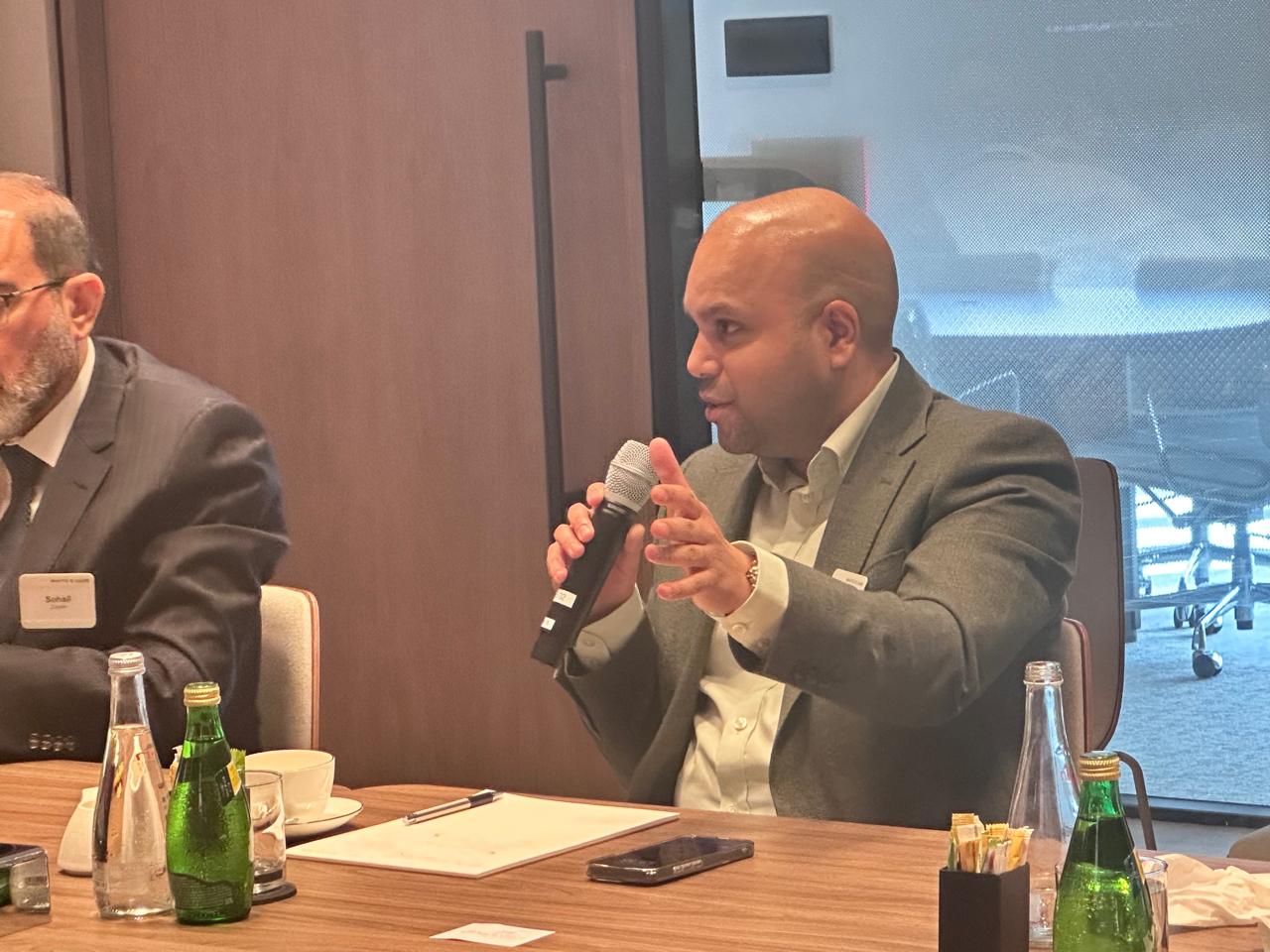
Participants began by examining how Islamic finance could play a more active role in supporting sustainable business practices. The discussion highlighted the need to balance commercial interests with ethical imperatives, particularly in sectors such as fossil fuels, drawing parallels to how the tobacco industry was excluded based on the principle of harm. The group acknowledged that Islamic finance, rooted in justice and stewardship, has strong potential to contribute to global climate goals if its screening methodologies evolve to incorporate environmental and social considerations more fully.
ESG, Energy Security, and Evolving Standards
The session delved into the integration of ESG and human rights factors within Islamic finance, particularly regarding energy security and the role of technology. Participants discussed the need to weigh environmental and ethical concerns alongside market realities. The example of the UK Government’s decision to cease promoting oil and gas exports underscored the complexity of managing energy transition policies within a competitive global market.
Evaluating Environmental Impact: Gold and Coal
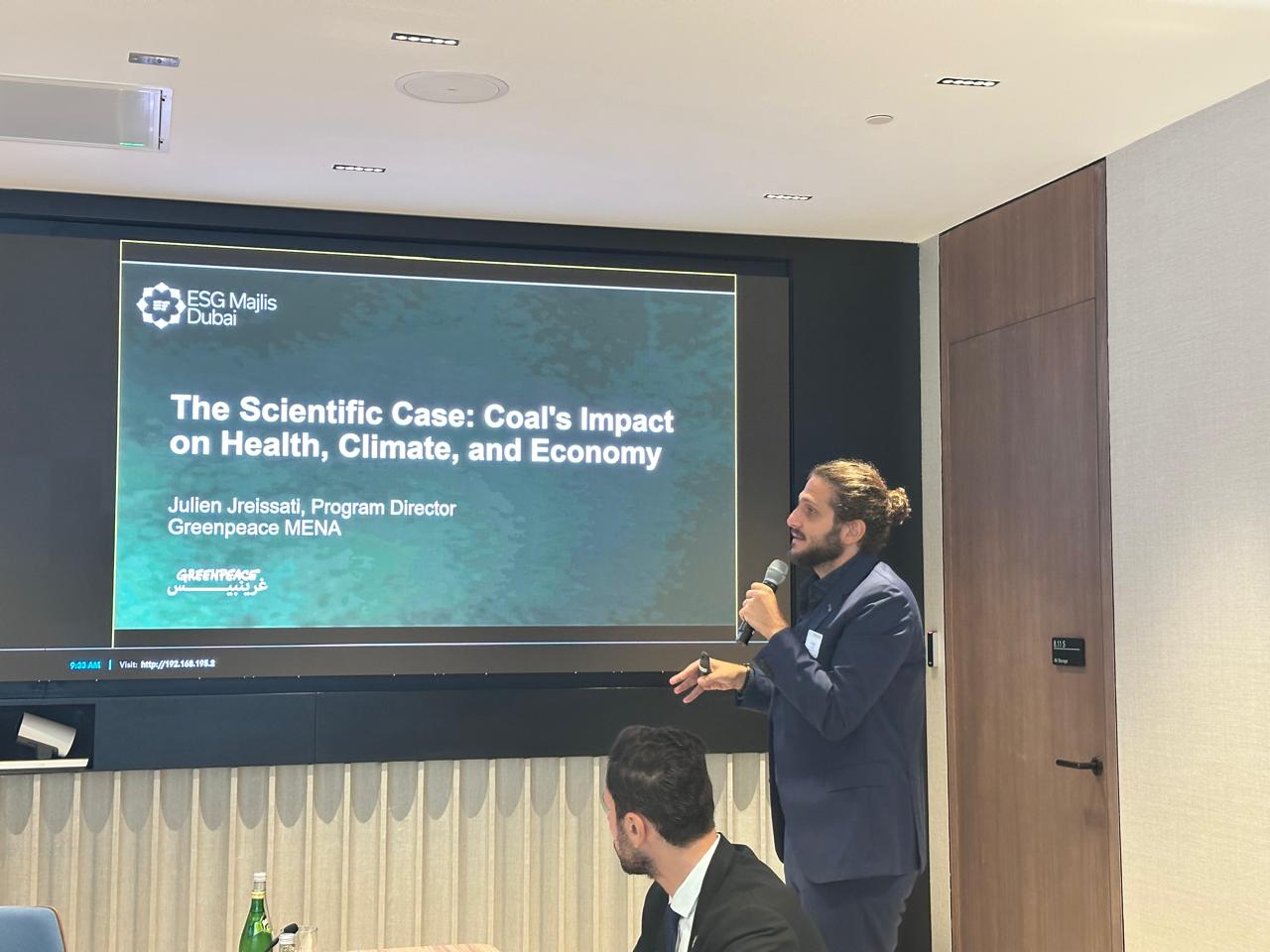
A key theme was the environmental and human toll of industries traditionally deemed permissible under Shariah. Data presented on gold-related pollution and mortality rates raised questions about the moral basis for investment in such sectors, while the discussion on coal underscored its dual role as both an environmental hazard and a transitional energy source. Participants agreed on the need for a more evidence-based, scientific approach to evaluating these industries, recognising that divestment strategies must be sensitive to local economic realities.
Towards a Systematic Approach to Screening
Participants emphasised that Islamic screening should move beyond static sectoral exclusions toward a systematic framework that evaluates activities based on their real-world harms and benefits. The conversation explored how certain industries—such as mining, tobacco, and alcohol—could be assessed holistically, considering social impact, environmental damage, and economic necessity. It was noted that Greenpeace will release a paper on this topic to guide further discourse on harmonising ethical, environmental, and financial criteria.
Universal Shariah Interpretations and Modern Industry
The round table also addressed the challenge of ensuring consistency among Shariah scholars when issuing rulings on modern industries such as oil, gas, and mining. Participants debated whether such determinations should rest solely with Shariah boards or involve risk and sustainability professionals, highlighting the need for interdisciplinary collaboration in shaping credible, forward-looking Islamic financial standards.
Defining Sustainable Debt and Asset Classification
Discussion turned to sustainable debt frameworks and the need for clear asset classification criteria. Participants noted the difficulty of establishing consistent standards for what constitutes a “sustainable” or “green” Shariah-compliant asset, calling for greater regulatory clarity and guidance. The group also discussed whether Shariah compliance should extend to compensation and onboarding processes, concluding that it should be mandated only where explicitly required by regulators.
The Environmental Dimension of Islamic Finance
The session concluded by exploring the broader environmental impacts of Islamic finance. While fossil fuels remain a contentious issue, participants cautioned against blanket divestment, noting that fossil fuel revenues can support renewable energy development—especially in emerging markets. The consensus was that Islamic finance should adopt a nuanced approach, distinguishing between abated and unabated activities, while championing a stewardship-based economic model that promotes both ethical integrity and environmental sustainability.
Summary
The Rethinking Islamic Stock Screening round table offered a thought-provoking exploration of how Islamic finance can evolve to address modern sustainability challenges. Key takeaways included:
- The importance of integrating ESG and ethical considerations within Shariah screening frameworks.
- The need for systematic, evidence-based evaluation of industries based on harm and benefit.
- Recognition of the moral and environmental implications of investments in gold, coal, and other extractive sectors.
- Calls for consistent, universal Shariah rulings informed by scientific and risk-based insights.
- The urgency of developing clear, credible frameworks for sustainable and green Islamic financial instruments.
The discussion underscored that rethinking Islamic stock screening is not about redefining Shariah principles but about reapplying them in a way that meets the ethical and environmental challenges of the 21st century.

Aligning Portfolios with NDCs

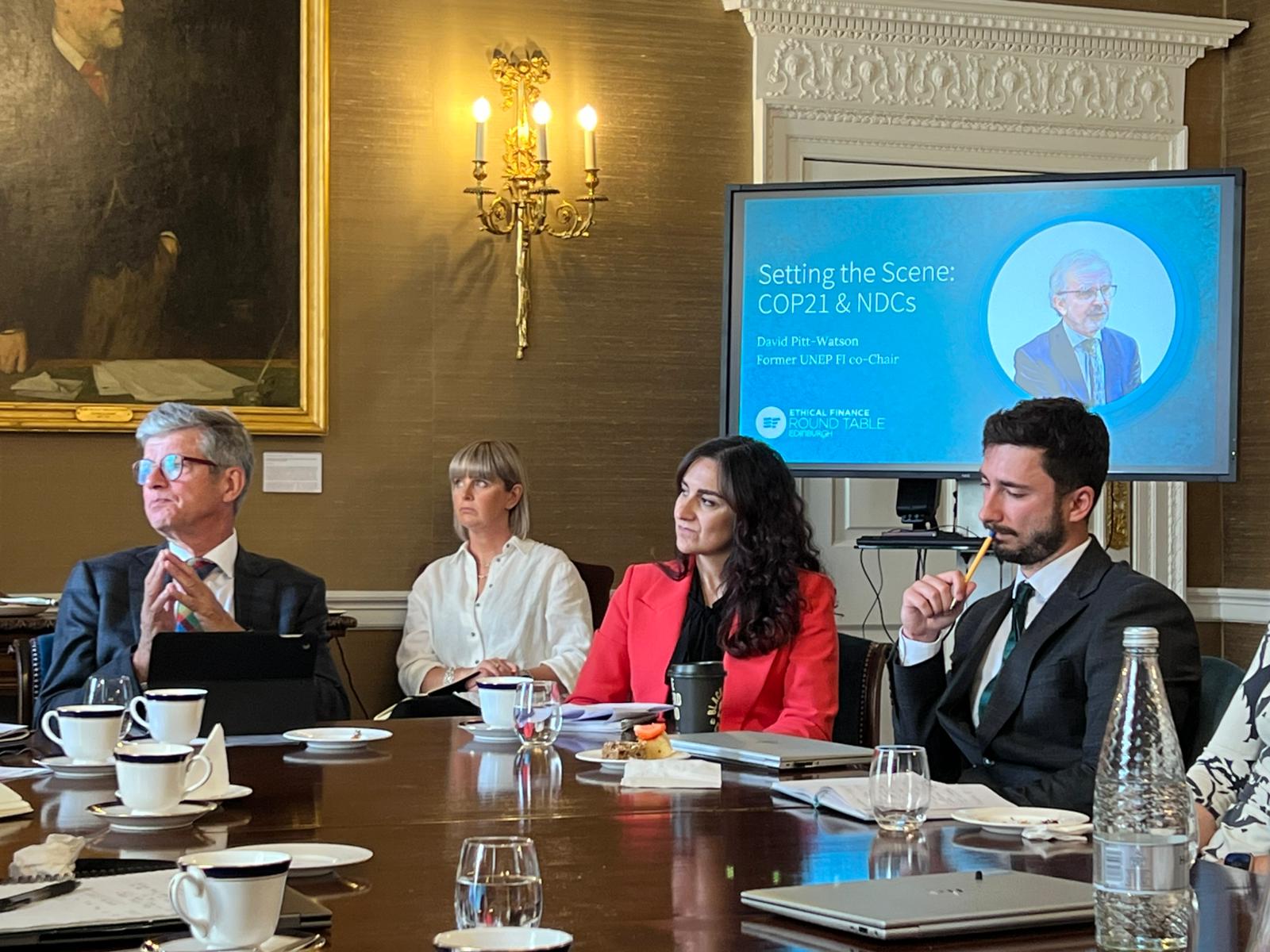

Nationally Determined Contributions (NDCs) are the cornerstone of the Paris Agreement, adopted at COP21 in 2015. They represent each country’s self-defined plan to reduce greenhouse gas (GHG) emissions and adapt to the impacts of climate change. Investors and policy advocates now call for "investable NDCs", clear, detailed, and credible pathways that can guide capital allocation.
NDCs and COP21
David Pitt-Watson, former UNEP FI Co-Chair during the lead-up to COP21, reflected on the evolution of finance’s role in climate negotiations. He traced this from the early Kyoto Principles through to the landmark Paris Agreement. David highlighted how UNEP FI positioned itself as a constructive “dealmaker” ahead of COP21, pushing negotiators to be ambitious while providing clarity and tools (like green bonds and reporting frameworks) to attract investors. Bringing the conversation to the present, he underlined the critical role of the real economy and the need for credible, investment-grade policy signals.
Making NDCs Investible
Arianna Griffa, Senior Policy Manager at the IIGCC, presented the IIGCC’s report on Making NDCs Investible. Representing over 400 members with over $60 trillion in assets, the IIGCC explored whether NDCs could serve as useful tools for investors. The consensus was that while they offer valuable signals of long-term direction, challenges remain, namely around data quality, granularity, and policy consistency.
Key Findings from the IIGCC Report:
- Granularity matters – high-level targets are insufficient. For instance, China recently became the first country to announce decarbonisation strategies for all sectors.
- Credibility comes from coherence – public fiscal support, regulatory roadmaps, and implementation plans are key to making NDCs actionable.
The UK’s NDC was cited as the only one currently aligned with a 1.5°C pathway, according to Climate Action Tracker.
Are NDCs useful for finance?
The group wrestled with whether NDCs provide enough clarity or consistency to serve as meaningful tools for investors. Key points included:
- Drivers of decarbonisation targets were debated, with some questioning whether they stem from genuine national commitment or external pressure.
- Sovereign bonds were discussed as natural entry points for engaging with NDCs, though some felt this could shift over time.
- Despite ESG pushback in some markets, there is a growing cohort of investors committed to implementation and engagement.
- NDCs were seen as valuable inputs for scenario planning, even if not yet central to investment decision-making.
Investor-Government Engagement
There was broad agreement that constructive engagement with governments is necessary, but this should be clearly distinguished from lobbying. Partnerships were seen as essential for shaping realistic and investible transition plans.
One standout suggestion was the development of a scorecard to rank the quality and credibility of NDCs, helping investors better assess risk and opportunity.
Fiduciary Duty and Risk
Tensions were raised between fiduciary duty and climate outcomes. Some questioned whether the current framing of fiduciary responsibility allows enough space for climate-aligned investing. The discussion highlighted a need for more honest conversations about active risk-taking, especially when passive strategies are unlikely to deliver long-term value in a transitioning economy.
The example of Hungary’s green bond issuance to electrify its railway network showed how well-structured deals can align financial and environmental outcomes.
Geopolitical Headwinds
David reflected on how the diplomatic groundwork ahead of COP21, especially the US-China deal, set the stage for consensus. In contrast, today’s geopolitical uncertainty is hampering ambition. There was concern that early climate leaders like Colombia have been penalised by markets for bold transition plans, underlining the need for market stability and clear frameworks.
The Role of the Financial Sector
The session closed with reflections on what finance can do to accelerate progress:
- Collaborative engagement was deemed more effective than individual action.
- Silence is complicity, retreating from public engagement isn’t neutral, it slows progress.
- Central banks and incentives, participants called for stronger incentives, similar to the US IRA’s tax credits, to channel private capital into climate-aligned investments.
Conclusion
There was broad agreement that while NDCs are imperfect, they remain one of the few tools linking government ambition with investor decision-making. To bridge the gap, investors need:
- Clear, sector-specific policy roadmaps
- Granular and credible data
- Consistent regulatory frameworks
- Mechanisms to engage constructively with sovereigns
Perhaps most importantly, they need the courage to take active risks, aligned with values and value.
Confessions of a Justified ESG Practitioner
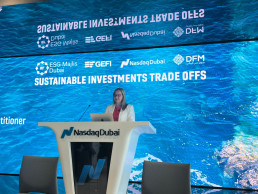
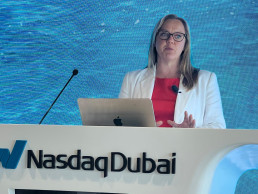
Despite the title of this, if you are expecting some scandalous confession, I am likely to disappoint. But what this covers is my personal experience of the past 25 years in sustainable, ethical and responsible finance and my views to whether the sector is broken or still has a future.
So we start 27 years ago, a very young and naïve graduate, making my way to the city to “seek my fortune”. I was fascinated that this one small square mile of London, was responsible for the UK’s economic prosperity and growth. Finance intrigued and excited me.
But what about my values? These have always been part of who I am, someone who loves nature and cares about the environment. I recycled at university before recycling was a thing (people thought I was weird!). I cared about the origins of my food and animal welfare embarrassing my mother by asking every restaurant whether their pork was free range or not. Yet, here I was excited about what many viewed as the den of inequity.
But I was fortunate to have my eureka moment. I went to work for a fund manager which ran the ethical investment advisory group for the church of England. A job that absolutely aligned values with finance – something I had no idea was even possible.
Leaving the banking trading floor for that first job in sustainable finance was a bit of a baptism of fire. We introduced voting, in response to the Cadbury Code, engagement frameworks and well thought-out ethical investment policies. All based on fundamental research and hands on relationship building with the companies in which the Church invested. Standards were essential to align investment funds with the Church’s beliefs within the need to balance the financial returns. That tension was a healthy one, albeit at times very strained.
It was at this time sustainable investment started taking off. But even then, you felt you were sitting in a dusty cupboard, asking permission to come out, needing to be brave to speak about environmental issues with investment teams. Often you were made to feel like you were just a little bit crazy, a radical or “god-forbid” an actual tree hugger.
We had to convince our finance colleagues of the merits of what we were doing – even in the church fund managers in those days were wary of sustainability and just wanted a list of exclusions. We took time to understand the very complex issues we faced, and engaged with a wide variety of stakeholders outside of corporates to build our credibility. We also had numerous battles with companies we were invested in.
This experience taught me early on in my career that sustainability issues and ethics were complicated, that decisions had to be based on fundamental research and integrity and that corporate engagement could make a positive difference. And to do this we had to be brave.
Now, there were not many of us in the industry in the early days. We had to band together like a small army, with one mission and that was to improve, company governance and sustainability practices within the firms we were investing in. We all ultimately believed that this would improve long-term shareholder returns, as well as improve the lives of the stakeholders these corporates interacted with. There was no sense of competition, we weren’t being driven by bringing in flows. Principles and standards were the number one focus of this small but growing group of pioneers. It was this collaboration that led us to realise we were more powerful together. It was then that collective engagement really started taking off.
It was a fun time, it was exciting and new and together we felt braver. We were changing the way companies thought about sustainability issues. Companies were starting to recognise the value in strong business-focused sustainability practices. Competitive advantage, insuring them against scandals, protecting their reputation, building customer loyalty to name just a few.
But as the industry grew, the aims of investors started to differ.
And at the same time, the growing interest in impact investment was taking place. A real understanding that you could allocate capital in a way that achieved environmental and social outcomes as well as a financial returns.
Clients grew more interested in positive outcomes and with this the commercial interest in sustainability grew very rapidly.
This was exciting but worrying at the same time. Just before COVID, I hit the headlines. I raised the question whether we were facing an ESG bubble. I had lived through the dot-com bubble, mortgage backed securities and other various bubbles and I was worried we were facing the same with sustainability.
Everyone had appeared to become a sustainability expert. People with little or no experience in ESG were being tasked with setting strategy and running teams.
It was clear to me that what was driving this growth was the recognition that sustainable investment products could be lucrative.
All of a sudden there was a shift to get into sustainable investment to make money rather than to get into sustainable investment because it’s the right thing to do and it will make you money.
The industry was been driving by value instead of values.
There was a rush to relabel mainstream investment products under SFDR. The push from the commercial side was real – yet those who were not well versed in sustainability did not really understand what this actually meant. There was so much confusion and I, like many other sustainability experts, found myself trying to explain to people that you couldn’t make sweeping claims on sustainability. That engagement in itself could not make a fund sustainable. That there were still hard lines around some activities, such as tobacco, gambling, offensive weapons and coal.
The sector was facing an identity crisis. Once a bastion of standards and ethics, sustainability professionals were being pushed to water down these standards – all for the desire for profit – win new business, grow AUM in sustainability funds, and be bigger than others. For a few years, things got a little crazy, some might even say out of control.
And that is when the regulators starting stepping in, fines were levied and new regulation introduced, creating an initial burden on asset managers and companies as these organisations work to meet the reporting requirements emerging from this. At the same time, a culture of fear has crept in with a number of asset managers pulling back on commitments for fear of upsetting regulators, politicians or even clients. This yo-yo between all or nothing has left those in the industry frustrated and disillusioned.
The last few years have been exhausting. Sustainability teams, focused on research and engagement all of a sudden became product people, IT, reporting and compliance functions. A couple of years ago I gave an interview to Financial News. It was a Friday afternoon. I had spent the week speaking with regulators and internal discussions over standards and client reporting. I made a comment to the journalist, which hit the headlines “We’re on our knees at the moment. I am exhausted, I am fed up and I feel like I have become a compliance function”. Little did I know this would go viral. Dozens of people got in touch. The number of people this resonated with was extraordinary. I had said something everyone was feeling and no-one was saying.
After losing our way, we need to come back to basics. The business case for sustainability is clear: companies cannot thrive on a planet suffering from environment crises and unmanageable social risks. The sustainability actions of leading businesses demonstrate what is possible and generate momentum, even if progress is slow. We desperately require a brave mindset change to accelerate this. A recent FT article called this “competitive sustainability” a move to long-term resilience rather than short-term gains. And a corporate mindset shift to view sustainability as a matter of competitiveness, not responsibility. I could not agree more.
So, am I optimistic for the future? Yes, I am.
All is not lost! Over 25 years, we have definitely made progress – albeit with a few hiccups along the way and slower than we would have liked. Did we get to the point where we confused value and values? Yes – the waters got muddied, marketers jumped on the bandwagon, we promised more than we could deliver. However, the industry is now pulling back, with the push/pull from regulation to a potentially more realistic and sustainable path.
So what are some of the key takeaways?
- Recognise that we have made massive progress – the backlash is evidence of that but there is still much to do to support the sustainable investment landscape.
- To be successful, we need to let practitioners get back to principles rather than compliance, reporting, product development or IT.
- We need call on investors, companies and politicians to be brave (like we were in the early days) to be agents of change, buck the trend and think long-term.
We can make progress and we are. But how we do it and pace we set will be determined by those brave enough to take the big steps. Just remember, things that look crazy now could become the norm in the future!
As I contemplate the next stage of sustainable investment, I am hopeful that the bright and enthusiastic (and hopefully brave) next generation will carry on the good fight, as the investors, politicians and company executives of the future. Let’s work together to make a difference, build integrity, drive good corporate behaviours because without a sustainable innovative economy, the problems we face on this planet will not be solved. And all of this should help us make sustainable investment a fun place to be again.

What the Market Thinks: A Climate Risk Survey
Investors envision a 2.8oC future, with escalating risks of severe weather
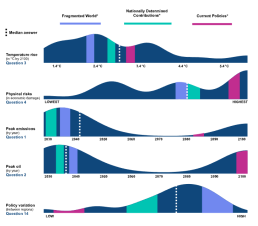
The world’s investors agree that the risks of severe weather events will escalate and that global action to date is insufficient to stave off the costliest warming, according to a study conducted by the MSCI Sustainability Institute designed to capture what market participants think about our climate future.
The study, which arrives in the run-up to the United Nations COP29 climate meeting in Baku, Azerbaijan, reveals a world united on physical risk but divided on emissions. The exhibit at right displays a stylized visualization of the study results, which reflect the market’s expectations versus common climate scenarios.
* Scenarios data from Phase IV of the Network for Greening the Financial System (NGFS) scenarios for central banks and supervisors. Note that the NGFS published Phase V scenarios on Nov. 5, 2024.
Key Findings
Among our findings, based on a first-of-its-kind survey of 350 investment and risk professionals globally:
- A hotter world: Respondents on average expect global temperatures to rise 2.8oC (4.7°F) above preindustrial levels this century. Thirty-eight percent believe that the world will warm by 3 oC (5.4oF) or greater, including 8% who indicated warming of a catastrophic 5oC (9oF) or more.
- Divergence on emissions and peak oil: Roughly half of respondents say they expect that emissions would peak within the coming decade while the other half say they expect emissions to rise indefinitely. Nearly one-third (30%) of respondents said that oil consumption would peak in the next 10 years, while just over one-third (33%) of respondents said they expect it to increase indefinitely.
- Uneven progress: Roughly three-quarters of respondents say that Europe, Japan and Canada, respectively, would be either somewhat or very likely to meet their climate commitments by 2050. The U.S., China and India, in contrast, would be either somewhat or very unlikely to meet their climate pledges by 2050.
- Climate-related physical risk rising: A majority (57%) of respondents agree broadly that climate-related physical risks are creating economic fallout and growing in severity sooner than current climate scenarios anticipate. A plurality (42%) of respondents say that moderate to high levels of global warming could trigger both environmental and geopolitical tipping points, with those in Europe and Asia expecting more severe impacts than in North America.
- Impact on investment decisions: Just over one-third (34%) said that climate change has had a major effect on the allocation of assets in their portfolio, but more (42%) said it has had only a moderate effect.
A climate scenario shaped by the market
We’ve mapped the market’s expectations to climate scenarios in use already, such as those developed by the Network for Greening the Financial System (NGFS), a network of central banks and supervisors, and find that the market expects a climate future that resembles pessimistic scenarios in a “Hot house world” or “Too little, too late” scenario rather than a world with an early and orderly transition.
We supplemented the survey with panels and interviews of more than 30 experts from finance, policymaking and academia to test and validate how the responses may inform a scenario that reflects market expectations of future climate pathways.
Climate scenarios have helped financial markets supervisors and practitioners better understand a range of climate-related risks. But such scenarios have not been able to tell investment professionals in particular what they say they most want to know to shape their strategies: what their peers across the industry and around the world expect when it comes to changes in policy, advances in technology, and patterns of climate-driven extremes of weather.
And what market peers expect is that the transition will unfold unevenly, driving an outlook marked by high uncertainty that contributes to the mispricing of assets. As political pressures and the risks of physical climate impacts intensify, capital allocators say they must remain agile, ready to navigate both the opportunities and challenges that an uncertain future presents.
You can find further analysis of the survey’s results and a comparison with NGFS scenarios here.
This article was written by Linda-Eling Lee and Oliver Marchand.

Climate and Nature, The Pivotal Year. What does 2025 Hold?
Topline Messages
- COP30 could make or break the credibility of UN-backed collective action on climate and nature.
- The new round of NDCs will be pivotal to the direction and speed of travel.
Some policy pillars, like investor coalitions, need to stay in place. - There are opportunities in strengthening climate and nature synergies to address the triple planetary crisis
- Those who wish to drive change should understand and engage through the lens of the 1) US/China/EU triangle; 2) rise of the BRICS and the Global South.
As we look ahead for this year, the geo-political headwinds for international climate and nature policy are all too clear. But, like never before – as scientists report that 2024 was probably the hottest year on record[i] – strong and urgent action is essential if we are to arrest the triple planetary crisis. This is why 2025, culminating in UNFCCC COP30[ii] in Belem, Brazil, is viewed as pivotal, and possibly even make or break for the multilateral processes on the environment.
We therefore look ahead to the key issues and themes likely to determine the prospects for success or failure this year, assessing where progress will be critical, where it will be important to hold the line, and areas where climate and nature policymaking can be beneficially joined-up.
The Crucial Role of the New NDCs
The ratchet mechanism – the provision for more ambitious national climate plans (the NDCs, i.e. Nationally Determined Contributions) every five years which has been described as the “beating heart” of the Paris Agreement – means that each country should submit by this spring, and certainly in advance of Belem, its plan for reducing emissions and adapting to climate change. What is absolutely clear, as the science becomes more pressing, is that this round of NDCs must go beyond broad commitments. Ambition and detail will be necessary if we are to see the step-change required. But what sort of detail do the decision-makers in policy, business and finance, as well as the climate scientists, need to see to make the transition real?
- Fossil Fuel Phase-out: UNFCCC COP29 in Baku, Azerbaijan, signalled backwards momentum on transitioning away from oil, gas and coal as energy sources. NDCs will therefore need explicitly to cover production and consumption as part of a comprehensive approach to fossil fuel phase-out. The IEA and some other analysts are speculating whether global emissions will peak soon. However, without an accelerated phase-out, achieving net-zero goals will remain out of reach.
- Nature-Based Solutions: Will countries further incorporate nature into their climate strategies? Forests, wetlands, and other ecosystems are essential carbon sinks and offer cost-effective mitigation pathways. Yet, nature-based solutions have been under-represented in past NDCs. This year must mark a turning point.
- Alignment to National Biodiversity Strategies and Action Plans (NBSAPs)[iii]: Will countries work on aligning NBSAPs and NDCs? This shouldn’t just be a mere technical exercise, but a strategic imperative for tackling the twin crises of climate change and biodiversity loss to ensure coherent and impactful strategies. For example, this would mean the adoption of conservation and restoration targets which can support greenhouse gas emissions reduction.
- Addressing Fossil Fuel and Nature Subsidies: Despite repeated calls and pledges to reform harmful subsidies, governments—particularly in the Global North—continue to funnel billions of dollars into fossil fuels[iv] and activities that degrade nature[v]. Redirecting these funds to the low-carbon transition could unlock transformative climate finance.
- Such is the importance of the new NDC round, 2025 won’t see the same focus on climate finance as in 2024. However, despite the disappointing progress on finance at COP29, the Baku to Belem roadmap[vi] was agreed there as the strategic vehicle for scaling up climate finance. This roadmap emphasises innovative funding mechanisms, public-private partnerships, and the urgent need to mobilize resources for the Global South. If developing countries are to have some degree of assurance that the developed world is serious about helping them, the 2025 NDCs will need to show they are aligning with this framework. The innovation of “country platforms” – mobilising, coordinating and channelling public and private investments into nature and climate solutions – ought to be of assistance here.
Three Vital Pillars
The NDC process requires this step-change. But in other areas, a more defensive strategy may be required to keep some key pillars of climate and nature policy in place. This is not an exhaustive list, but we have identified three critical pillars:
- Multilateralism. Last year – as shown by the outcomes of the climate COP29[vii], the biodiversity COP16[viii]and the failure to adopt a Global Plastics Treaty text[ix] in South Korea – did not go well for environmental multilateralism. The new Trump Administration is unlikely to be a friend of the United Nations system, and some other national governments may also see political advantage to weakening environmental multilateral regimes. Most recently, Baku’s failure to deliver a satisfactory outcome for climate finance and the collapse of the CBD[x] negotiations at COP16 very publicly exposed the limitations of the COP process. However, just as country coalitions on climate (a fossil fuel treaty) and nature (the High Ambition Coalition to end Plastic Pollution), and can advance significant progress, there still must be a role for UN-backed fora where all countries can come together and have a voice to tackle these global challenges. UN processes therefore remain critical; although, if multilateralism is on the slide, it increasingly need to be complemented by coalitions of the willing and regional/localised grassroots movements.
- Investor Coalitions. While ESG frameworks were intended to integrate sustainability into corporate and financial institution business practices and reporting, they have faced growing criticism for being over-bearing, costly and not fit-for-purpose. Despite the efforts by regulatory and standard-setting bodies to improve transparency and inter-operability, the backlash (especially in the US) threatens to dilute their effectiveness. This could at least partly explain why some banks and insurance companies have decided to leave GFANZ.[xi] Those on the progressive side of the argument need to be making their case and cutting through the political noise and misinformation about why climate and nature are financially material and have real-world as well as financial impacts. State-level actions in the US can also help to mobilise behind what some hope will be ”the backlash against the backlash”. Globally, progress on international sustainability standard, viz the ISSB, would also be a positive signal.
- EU Leadership. The right-wing drift in Europe has heightened anxiety that the European Commission and EU member states will dilute their approach towards decarbonisation and the environment this year and beyond, and that it might become conflated with EU/US tariff negotiations. Clearly, as the Draghi Report emphasised last autumn, EU policymakers need to be making the pro-competitiveness case for the green economy. But this should also ensure that existing EU legislation – the most advanced in the world – is preserved, targets are increased (most obviously in the EU’s new NDC), and there is a greater focus on delivering benefits for European citizens. An early test case for the new Commission will be its newly announced “Omnibus Simplification Package”, composed of the mesh of related regulation – EU Taxonomy, Corporate Sustainability Reporting Directive, Corporate Sustainability Due Diligence Directive.
Climate and Nature Policy in Tandem
If 2025 is to be a year that takes ambition on climate and nature forward, synergies for strategies and actions need to be developed and maximised. Areas which provide such opportunity include: tackling deforestation and viewing the sector as a source of nature-based solutions for climate; water management and co-operation; the potential development of a voluntary carbon and biodiversity credits market grounded in integrity; and (finally) an international agreement to act on reducing plastics production, with major benefits for climate and nature.
This is another reason why COP30 in Belem matters so much; where no region on Earth symbolises the twin crises so demonstrably as the Amazon rainforest.
The Geo-political Landscape: Headwinds and Dynamics
The global climate agenda is inevitably deeply intertwined with geo-politics, and major headwinds generated by a steadily changing and more transactional world order won’t help (even if the backdrop may not be all bad). Two key dynamics stand out:
- The US-China-Europe Triangle: With Donald Trump returning to the Presidency, the US will adopt a more transactional approach to international relations which may be part of a wider assault on the post-war multilateral consensus. Meanwhile, China’s strategic focus on green technology leadership may lead to increased competition and tension with Europe – complicating efforts to build co-operation on climate action – while it is likely to increase its leadership on green tech over the US. Attention will be on whether Trump takes the US out of Paris (again), and his threats of a tariff war; but America’s bigger mistake long-term may be to surrender the global clean energy race to China.
- BRICS and the Global South: The BRICS group is on the rise globally. Brazil’s leadership role as COP30 host and South Africa’s G20 presidency may well, as part of this, position the BRICS countries as pivotal players in 2025 in shaping the climate and nature agenda. Brazil’s Amazon protection policies (and possibly its contradictory expansionist oil and gas production) and South Africa’s stance on a just energy transition will be important influences on the direction of global negotiations.
A Year of Real Progress or of Alarming Retreat?
In the final analysis, it will come down to the outcomes of COP30, which will be an enormous test of the diplomatic skills of President Lula, his ministers and officials. The stakes in 2025 could not be higher. This is why the next new round of NDCs – offering the chance to correct course and inject the climate action with fresh momentum, grounded in emissions reduction and grasping the clean energy opportunity – matter so much. But a game-changing round will depend on some key factors which will be relevant for financial institutions and for other stakeholders; whether countries can rise above political divisions; deliver detailed and ambitious plans that cover nature as well as climate; and tackle entrenched issues like fossil fuel subsidies. Governments also need to keep uppermost in mind that finance and investments will not flow without clear and consistent policy targets and plans.
In the meantime, there could be no more shocking and graphic depiction of the impacts of climate change and rising temperatures than the Los Angeles wildfires. Before it gets too late, 2025 can still provide the opportunity to turn things around.
This article was co-authored by Richard Folland, Carbon Tracker Initiative and Arianna Manili, Planet Tracker.
References
[i] Confirmed: 2024 was the hottest year on record, says UN weather agency, UN News, January 2025.
[ii] United Nations Framework Convention on Climate Change, 30th Conference of the Parties.
[iii] National biodiversity strategies and action plans by the Parties to the United Nation Convention on Biological Diversity (UN CBD) were due by COP16 in Cali, Colombia 2024. [link to PT COP16 Blog]
[iv] Fossil Fuel Subsidies, IMF, 2024.
[v] State of Finance for Nature 2023 UNEP
[vi] COP29: Key takeaways from Baku on the Road to Belem, E3G, December 2024
[vii] Statement on COP29, Carbon Tracker Initiative, November 2024.
[viii] The UN Biodiversity Conference (COP16): Takeaways from Planet Tracker, Planet Tracker, November 2024.
[ix] A Financial Market’s Perspective of INC-5 for a Global Plastics Treaty, Planet Tracker, December 2024.
[x] United Nations Convention on Biological Diversity.
[xi] The GFANZ Umbrella, Swedish Identity and the documentation overload, Responsible Investor, 10 January 2025

Festive Fireside Wrapping up 2024 and Unwrapping 2025 | Ethical Finance Round Table
Hosted by Martin Currie, our Festive Fireside wrapped up 2024 an unwrapped 2025 with Amanda Young, GEFI, and Euan McVicar, Crown Estate Scotland.
Ethical Finance Round Table
Based in Edinburgh, the award-winning Ethical Finance Round Table series is the longest-running platform in ethical finance, bringing together the leaders in the field to enable learning and build community. Since establishing the series in 2010, we have seen opportunities flourish amongst the participants in the Round Tables. The Ethical Finance Round Table Series is currently being held virtually.



As the year draws to a close, we gathered for a festive fireside roundtable discussion, hosted by Martin Currie, to reflect on the ethical finance and sustainability landscape in 2024 and explore the road ahead. Despite the challenges faced this year, the discussion left us with a sense of optimism for the future and a renewed commitment to advancing sustainable finance globally.
The 33rd EFRT was chaired by Graham Burnside, Senior Advisor, GEFI, and attended by senior representatives from the Castle Community Bank, David Hume Institute, Ethical Futures, Forth Green Freeport, Heriot-Watt University, Mercer, Napier University, NatWest, Scottish Enterprise, Scottish Financial Enterprise, U.S Consulate General, University of Edinburgh and Wood.
Key discussion points that were covered during the interactive and dynamic session have been summarised below.
2024 Year in Review
The roundtable began with a review of 2024, highlighting the remarkable resilience of the sustainability industry in the face of significant challenges. While the passion to “do the right thing” remains strong, the year posed serious challenges for the sector:
- Regulatory Pressures: Although the merits of regulation were cited, particularly toward ameliorating greenwashing, the growing burden of compliance with frameworks like SDR, SFDR, CSRD, and ISSB have created hurdles, especially for smaller players.
- Political Instability: Global instability and a perceived lack of focus at COP28 added to the complexity, although the event remains an essential platform for dialogue.
- Continued Innovation: Amid these challenges, advances in areas like carbon credits and peatland restoration showcased the sector’s creativity and determination.
Concluding her market update, Lauran Halpin, Head of Impact Equities at Martin Currie, highlighted the financial sector’s potential to drive systemic change, emphasising the importance of legislative progress and robust disclosure frameworks to support sustainability efforts.
Crown Estate’s Sustainability Approach
Euan McVicar, Chair of Crown Estate Scotland, outlined its role as an impact investor dedicated to sustainable development. He detailed the Crown Estate’s extensive assets in Scotland, including 50% of Scotland’s foreshore, over 35,000 hectares of land, and significant seabed holdings, highlighting their plans to decarbonise the estate and address climate change risks. Euan also reflected on the estate’s rich history and its pivotal role in driving sustainable practices across its operations.
Scotland’s Sustainable Finance Opportunity
A key theme of the discussion was Scotland’s unique potential to lead in sustainable finance. The recently launched report from the Scottish Task Force for Green and Sustainable Financial Services provides a roadmap to making Scotland competitive in green investment. However, participants highlighted areas where Scotland must improve:
- Coordinating Ecosystems: Scotland needs stronger connections between its universities, financial institutions, and innovative companies.
- Prioritising Recommendations: With numerous recommendations in the Task Force report, focus and decisive action are critical.
- Decisive Government Action: Hesitancy in offering corporate incentives and public pushback on certain policies have slowed progress.
Scotland’s academic excellence, natural resources, and financial heritage position it well for leadership in sustainable finance, but better coordination and bold policy decisions are needed to capitalise on these strengths.
Outlook for Sustainability in 2025
The discussion explored global sustainability in the context of the incoming U.S. administration, highlighting both optimism and concerns regarding the future of climate policies, particularly the U.S.’s potential exit from the Paris Agreement and UNFCCC framework. Despite these uncertainties, participants expressed confidence that market forces would sustain progress. Economic drivers such as the growth of renewables and electric vehicles, bolstered by the Inflation Reduction Act (IRA), have already created jobs and economic benefits that are challenging to reverse. State-level actions, with climate leaders like California and New York, often surpass federal initiatives, and even states like Texas are making significant contributions, responsible for one-third of on-shore wind capacity.
Additionally, global market forces, including EU regulations, are pushing U.S. companies to align with sustainability standards to maintain access to international markets. Together, these factors indicate that the momentum for sustainability is likely to persist, even in the face of reduced federal support.
Key takeaways
The Round Table provided an interactive forum for leaders and experts to reflect on 2024 that underscored the resilience of the sustainability movement and look to 2025 that offers an opportunity to build on this foundation. By staying agile, collaborative, and bold, we can continue driving meaningful progress in ethical finance and sustainability.
- Despite significant regulatory and political challenges in 2024, the sustainability industry showcased resilience, innovation, and a steadfast commitment to driving systemic change.
- Scotland can lead in sustainable finance but needs better coordination, prioritised actions, and bold government support.
- Despite political uncertainties, strong economic drivers, state-level actions, and global market forces are expected to sustain momentum for sustainability in 2025.
Cultivating a Corporate Culture for Lasting Change
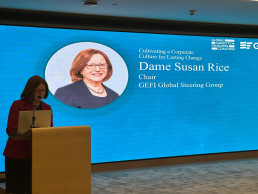

Dame Susan Rice’s closing keynote provided a fitting conclusion to the GCBC Forum, emphasising the ambition, cultural change, and collaboration required to mobilise climate finance. She began by reaffirming a shared purpose: delivering urgent and effective finance to tackle climate and nature crises. Achieving this, she argued, demands not only a roadmap but also genuine ambition—exemplified by the UAE Banks Federation’s $1 trillion sustainable finance pledge.
Operating at the climate finance frontier means forging ahead without complete data or established precedents. In this uncharted territory, culture becomes critical. As Susan put it, “culture eats strategy for breakfast”—technical training matters, but without a culture that values honesty, tough conversations, and ethical decision-making, good intentions falter. She highlighted how strong leadership must extend beyond the top tier, enabling boards and teams to address complex dilemmas, as she experienced in banking when confronting potential forced labour issues in solar panel supply chains.
Susan’s reflections also underscored the importance of thinking beyond institutional boundaries. Drawing from her experience in economic development banking in the United States, she illustrated how creativity, partnerships, and a willingness to challenge old habits can revitalise communities and industries. Now, as she works on “green re-industrialisation” in Scotland, these lessons prove equally relevant—shared ambition, new alliances, and determined execution can overcome entrenched barriers.
Key Takeaways:
- Ambition and Vision: Bold targets and a willingness to venture beyond comfort zones are essential.
- Culture Counts: Organisational values must be lived, not merely stated, to support ethical, impactful decisions.
- Distributed Leadership: Empowering all levels fosters resilience and informed problem-solving.
- Collaboration and Creativity: Cross-sector partnerships and innovative thinking are crucial to unlock financing opportunities.
- Delivering Impact: Ultimately, success is measured not by pledges but by tangible, positive change on the ground.
Dame Susan Rice’s address left the audience with a clear message: sustainable finance breakthroughs depend on ambition, culture, and collective action to create lasting, meaningful impact.
GCBC Overview
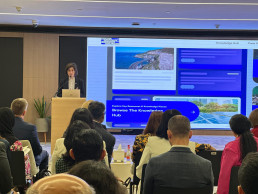

The Global Capacity Building Coalition (GCBC) took centre stage as Simon Thompson provided a detailed overview of its mission, membership, and ambitious plans. Established under India’s G20 presidency, the GCBC is a broad-based alliance aiming to strengthen climate finance capacity, particularly in emerging markets. In just three months since its official launch, the coalition has grown to encompass around 5,000 public and private financial institutions, 160 financial centres and exchanges, and millions of finance professionals worldwide.
This diverse alliance, including UN agencies, multilateral development banks, philanthropies, and both public and private sector finance bodies, is focused on identifying the most effective approaches to capacity building. Its goal is to channel funding from MDBs and philanthropic entities into strategies that will accelerate climate finance. Simon emphasised that the GCBC’s work will blend both “high-tech” solutions—like a new global capacity building platform—with “high-touch” activities, such as regional forums and on-the-ground collaborations.
Demonstrating the Digital Platform – Clementine Le Nagard
Clementine Le Nagard then introduced the GCBC’s beta online platform, now accessible in six UN languages, including Arabic and Bahasa Indonesian. The platform is structured into three main sections:
- Knowledge Hub: A curated repository of reports, frameworks, and webinars searchable by topic, resource type, and geography.
- Case Study Map: A global showcase of real-world examples of capacity building and climate finance initiatives, enabling users to explore strategies relevant to their region or sector.
- Events Calendar: A regularly updated listing of upcoming conferences, workshops, and forums that support ongoing engagement and learning.
During the live demo, Clementine encouraged attendees to test the platform’s features and provide feedback. She made it clear that this is a living resource intended to evolve in response to user input and the changing needs of the climate finance landscape.
Looking Ahead: Involvement and Input
In closing, Simon Thompson invited finance professionals, educators, and capacity building providers alike to explore the platform, share their insights, and consider deepening their involvement with the GCBC’s efforts. The demonstration and overview reinforced the GCBC’s commitment to collaboration, transparency, and innovation in building the capacity needed to scale climate finance, especially in regions that need it most.
Key Takeaways
- Global Coalition with Local Impact: The GCBC’s rapidly growing membership highlights a collective effort to strengthen climate finance capacity worldwide.
- High-Tech, High-Touch Approach: Digital platforms are complemented by in-person forums, ensuring both scalability and contextual understanding.
- User-Driven Enhancement: The beta platform welcomes feedback from users to refine and improve its resources and functionalities.
- Knowledge, Case Studies, and Events: The platform’s integrated structure ensures stakeholders can access information, learn from global examples, and stay engaged with upcoming opportunities.
The GCBC’s presentation underscored a forward-looking vision: to create an ecosystem where knowledge, tools, and collaborations can effectively advance climate finance and support sustainable development goals, particularly in emerging markets.
Capacity-Building: What Works, and How to Scale Up?
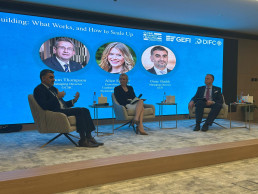

The GCBC Forum’s focus shifted to the foundations of effective capacity building as Simon Thompson opened a fireside conversation with Alice Spencer, Interim Executive Director of Education at the Cambridge Institute for Sustainable Leadership (CISL), and Omar Shaikh, Managing Director of the Global Ethical Finance Initiative (GEFI). Their dialogue explored what truly works in helping individuals, institutions, and ecosystems translate knowledge into meaningful climate finance actions.
Defining Success Before Numbers – Alice Spencer (CISL)
Alice acknowledged the difficulty of measuring the real-world impact of capacity building, noting that mindset shifts and behavioural changes are often hard to quantify. She stressed the importance of setting clear objectives from the outset. Rather than focusing solely on the number of people trained, CISL tracks how effectively participants adapt business models, strategies, or policies as indicators of genuine progress. Moving beyond individual training, CISL has embraced scalable online programmes and peer networks to foster ongoing learning and collaboration.
An Ecosystem Approach – Omar Shaikh (GEFI)
Omar reinforced the need for a holistic perspective. Capacity building, he explained, must be integrated with an enabling regulatory environment and the development of concrete financial products and solutions. This ensures that knowledge is not abstract but directly linked to practical application. Omar highlighted the importance of fostering a shared understanding among stakeholders before launching training initiatives, tailoring interventions to local contexts, and encouraging broader, more strategic discussions around the purpose of sustainability rather than focusing solely on technical details.
Broader Perspectives and Purpose
Both speakers agreed that while technical knowledge is essential, mindset and capability shifts drive transformational change. Faith-based finance, such as Islamic finance, can enrich these efforts by bringing valuable perspectives on ethical, social, and community-focused dimensions—often the overlooked “S” in ESG.
Looking Ahead
Asked for one piece of advice to newcomers in the climate finance arena, Alice advocated nurturing curiosity and maintaining a hopeful vision, while Omar encouraged engaging in selective forums and team-based learning to strengthen collective capacity.
Key Takeaways
- Set Clear Goals: Define desired outcomes beyond participant numbers to ensure capacity building leads to tangible changes.
- Integrate Across Systems: Align training with policy, regulation, and product development for lasting impact.
- Foster Mindset Shifts: Go beyond technical knowledge to embrace philosophical and strategic dimensions of sustainability.
- Leverage Diverse Perspectives: Incorporate insights from faith-based finance and other communities to enrich understanding.
- Invest in Ongoing Learning: Use scalable platforms, peer networks, and collaborative forums to sustain engagement and growth.
By marrying technical knowledge with purpose-driven dialogue, capacity building can transcend mere instruction and become a catalyst for the systemic transformation needed to mobilise climate finance at scale.
Mobilising Climate Finance in Emerging Markets: Commitments, Challenges, and Opportunities


Omar Shaikh (GEFI) moderated an expert panel examining the complexities of mobilising climate finance for emerging markets. Building on earlier insights, the discussion focused on bridging capacity gaps, addressing project development challenges, and overcoming market constraints.
Islamic Development Bank (IsDB) – Mohsin Sharif
Mohsin outlined the IDB’s “Promising Strategy for Sustainable Future,” which evolved from its COVID-19 response. With a goal of directing 35% of annual approvals towards clean and climate finance by 2025—a target met two years early—the IDB highlights the importance of harmonised definitions and taxonomies to clarify financing priorities. Establishing dashboards and guidelines further supports banks in improving their sustainability practices.
HSBC – Sabrin Rahman
Sabrin emphasised HSBC’s focus on catalysing new economies, decarbonising, and leveraging global trade. Partnering with think-tanks, development banks, and policymakers helps translate policy into practical solutions. Harmonising regional taxonomies and engaging early with policymakers to integrate climate considerations into trade agreements are key. HSBC’s experiments with outcome-based bonds and blended finance initiatives, including nature-based solution funds, showcase innovative approaches.
Franklin Templeton – Mohieddine (Dino) Kronfol
Dino presented a reality check. While acknowledging vast financing needs, he highlighted significant barriers—limited creditworthiness, potential crowding out of private investment, and a scarcity of mature projects. Strengthening fundamentals such as sustainable public finances and reliable capital access is essential before expecting trillions in climate finance. Public-private partnerships, blended finance, and de-risking strategies can help attract the necessary capital.
Common Threads
All panellists agreed on the need for unified taxonomies, clearer regulations, and stronger capacity building across the ecosystem. Faith-based finance, impact-driven strategies, and balancing fiduciary duties with environmental goals also emerged as important themes.
Key Takeaways
- Harmonised Definitions: Aligning taxonomies is crucial for clarity in sustainable finance.
- Policy and Practice: Early engagement and better-aligned trade agreements bridge the ambition-to-action gap.
- Strengthened Foundations: Robust public finances and improved project pipelines are prerequisites for large-scale climate funding.
- Innovative Tools: Outcome-based bonds, blended finance, and public-private partnerships are promising mechanisms.
- Capacity Building: Strengthening skills, frameworks, and understanding is vital to mobilise climate finance effectively.
The panel underscored that while the challenges are significant, strategic collaboration, innovation, and capacity enhancement can pave the way for scaling climate finance in emerging markets.