
“No society can surely be flourishing and happy, of which the far greater part of the members are poor and miserable.”
Adam Smith, An Inquiry into the Nature and Causes of the Wealth of Nations (1776), Book I, Chapter VIII
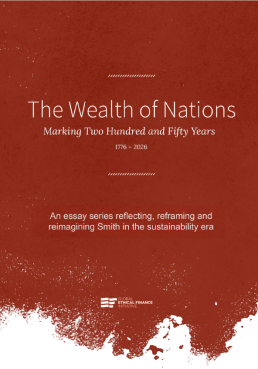
In 2021, as the world gathered in Glasgow for COP26, GEFI embarked on an ambitious endeavour: to revisit and reinterpret the intellectual foundations of the modern economy by bringing Adam Smith, Glasgow’s most famous academic, into the climate era.
Through a programme of dialogues and the publication of a series of essays, titled “The Wealth of Nations in the Twenty-First Century”, GEFI returned to Adam Smith not only as a talisman of free markets, but also as a thinker whose full legacy, moral, social and economic, had been selectively trimmed, distorted or forgotten over time. By bringing The Wealth of Nations (WoN) back into conversation with The Theory of Moral Sentiments, GEFI sought to restore the ethical architecture that Smith saw as indispensable, and to re-anchor markets in notions of justice, reciprocity and human flourishing.
In partnership with:

As 2026 marks the 250th anniversary of the first publication WoN, GEFI is seeking to build on this foundation through initiating a new line of enquiry, a 21st-century, post-hegemonic lens: one that does not simply celebrate or memorialise Smith, but interrogates and reimagines him. Our aim is to explore and recover what was lost in the last two centuries of economic interpretation, and to add what was never included: voices, traditions and worldviews that sit outside the Western canon from which Smith’s legacy has too often been exclusively drawn.
This publication brings together Smith’s dual legacy; the evolution, backlash and recalibration of ESG; indigenous and non-Western economic wisdom; and emerging perspectives from a multipolar world seeking new models of value and purpose. In doing so, it invites a deeper reflection on the purpose behind markets: what markets are for, whom they serve, and what moral responsibilities they must uphold in an era of profound global change.
Chapters
- Foreword
- Part I: Smith Revisited – The Legacy Reclaimed
- Part II: ESG at a Crossroads
- Part III: Global Markets, Global Knowledge – Civilisations in Dialogue
- Part IV: Reimagining the Purpose of Markets
- Epilogue: The Wealth of Nations, 2026: A Global Manifesto for Moral Finance
Publication was launched in Edinburgh during Edinburgh Finance Festival (8-20 June).
Authors

Dr. Mahmoud Mohieldin

Arunma Oteh

Prof Sir John Kay
Barry O’Dwyer
Tan Sri Andrew Sheng

Saker Nusseibeh CBE

Joanna Walker
Lord Alderdice FRCPsych
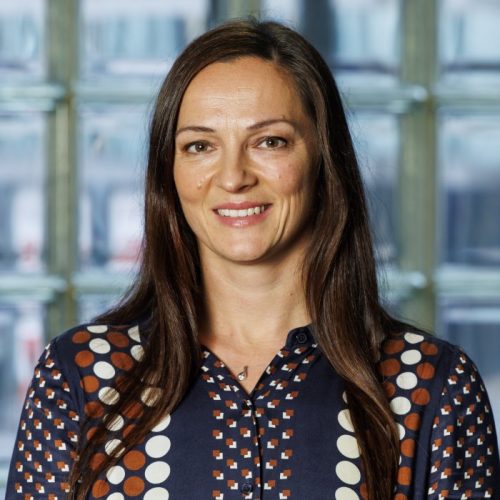
Eva Cairns

Dame Susan Rice

Sasja Beslik

Lord David Pitt-Watson

Pardeep Cassells
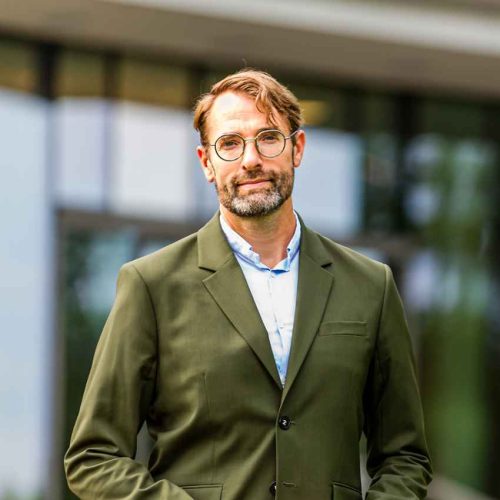
Hans Stegeman

Ruth Bryson

Tan Sri Azman Mokhtar

Catherine Devitt
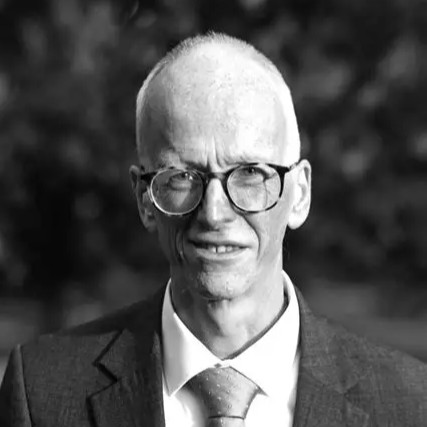
Dr Robbie Mochrie

Amanda Young

Omar Shaikh
Recent Events
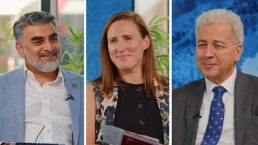
During LCAW, Joanna Walker (Royal London) and Saker Nusseibeh (Federated Hermes) joined GEFI’s Omar Shaikh in the Asset TV studio for a practitioner-led discussion, highlighting the key insights emerging from the publication.

Hosted in partnership with Royal London, this roundtable convened a diverse group of senior participants from across finance, policy and civil society to unpack key themes from the publication, with discussion focused on practical implications for stewardship, sustainable finance and the future architecture of markets.
GEFI used the summit to launch a new line of enquiry that goes beyond commemoration, re-examining Smith through a 21st-century, post-hegemonic lens. We delved deeper into the purpose of markets, the values they embed, and the responsibilities finance must uphold in an era of profound global change.
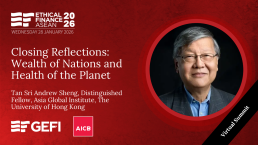
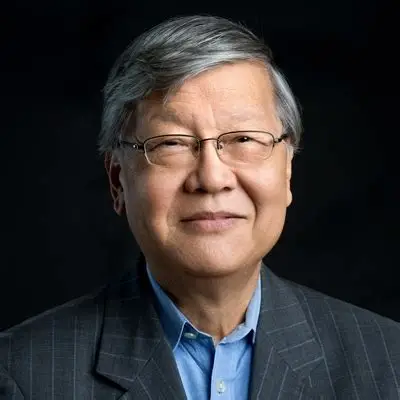
Tan Sri Andrew Sheng delivered the closing keynote at EF ASEAN 2026 reinforcing Smith250’s central thesis by arguing that, 250 years after The Wealth of Nations, we must reunite markets with moral responsibility and civilisational wisdom to address rising inequality and planetary crisis in a multipolar world.
What Next?
The conversation continues. Building on the above discussions, we will continue to explore the themes of Smith250 through upcoming convenings in Paris and Dubai. These discussions will inform a series of executive briefs over the coming months, distilling practical insights and recommendations for policymakers, investors and practitioners on the future of markets, stewardship and sustainable finance.
About Royal London
Royal London is the UK’s largest customer-owned life, pensions and investment company. For over 160 years, we’ve worked without the demands of shareholders, allowing us to focus entirely on our customers long-term interests. We have assets under management of £199 billion, 8.5 million policies in force and over 5,000 employees. Figures quoted are as at 31 December 2025.
At Royal London, our Purpose – ‘Protecting today, investing in tomorrow. Together we are mutually responsible.’ – shapes everything we do. Through the products we offer, the investments we make, and the initiatives we support, we’re committed to helping customers build their financial resilience and playing our part in moving fairly to a sustainable world. This includes setting out how we play our part in tackling the systemic risks of climate change in our Climate Transition Plan, which we published in 2025.
We also use our expertise to help wider society. As part of our Changemakers programme, we have provided social enterprises with support and funding to scale up ideas that help to build financial resilience or support a fair transition to a more sustainable world.
Learn more at royallondon.com
