

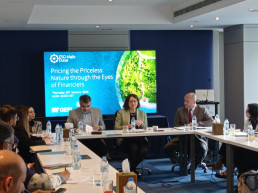
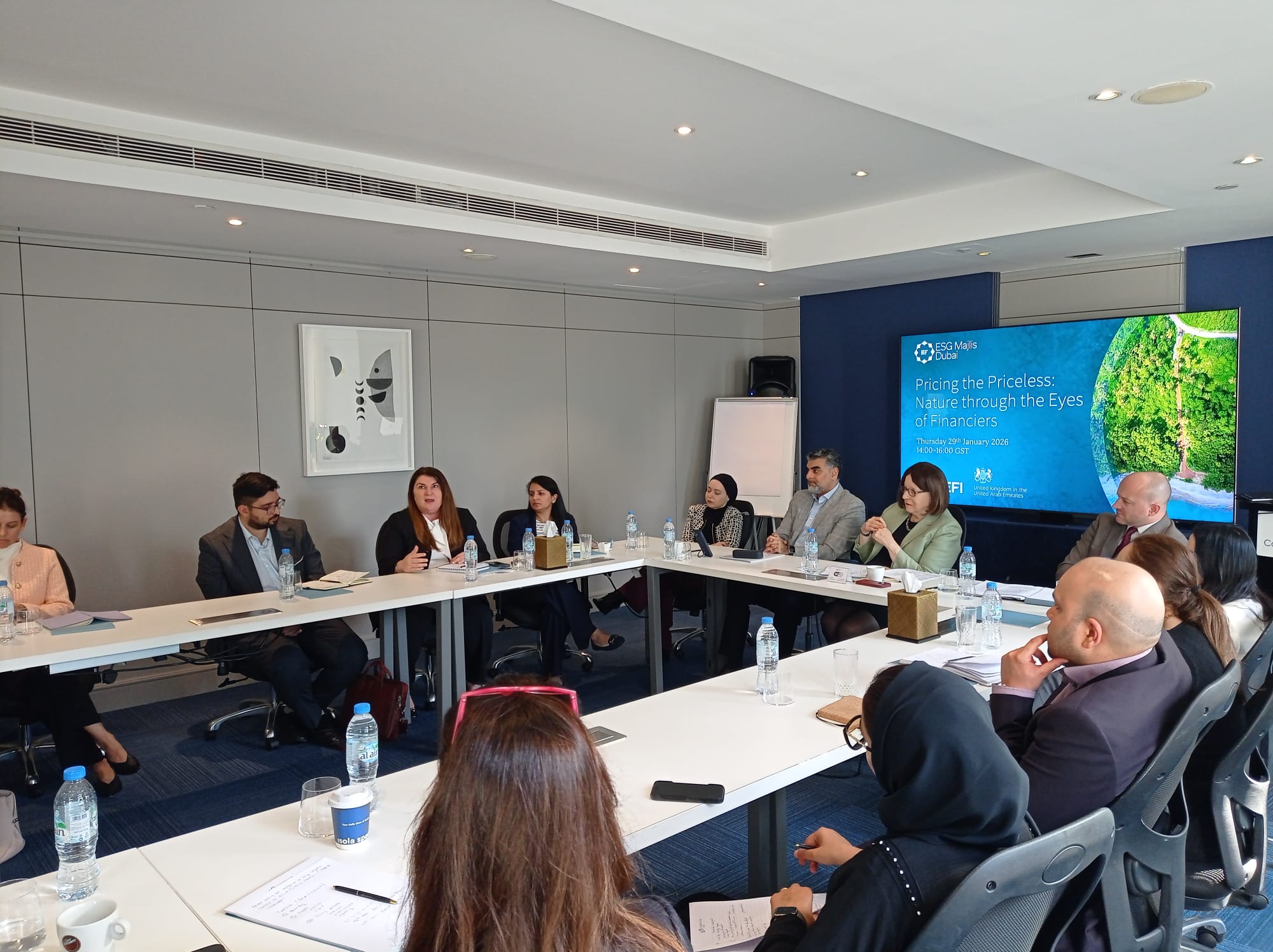
Pricing the Priceless: Nature Through the Eyes of Financiers
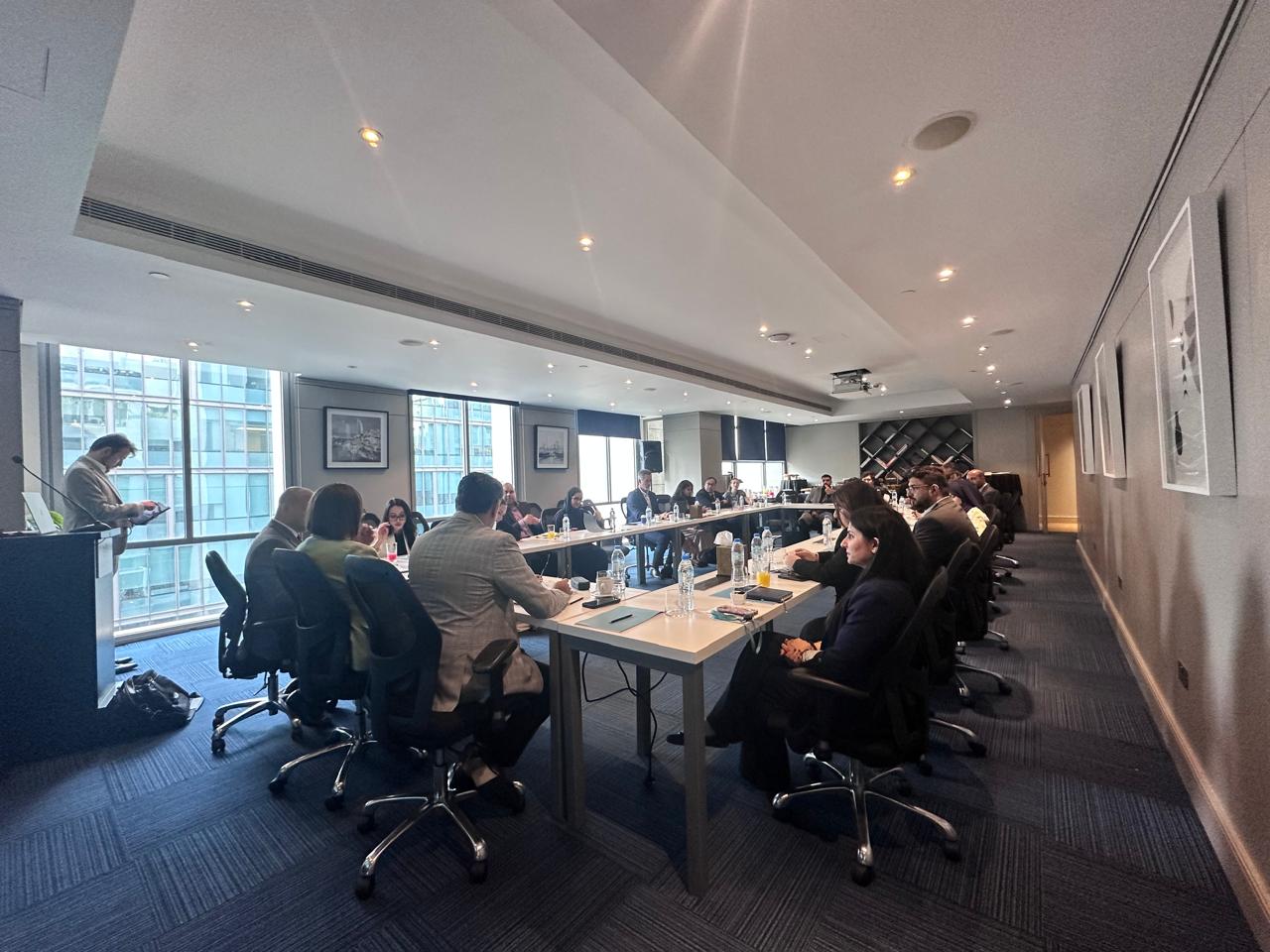
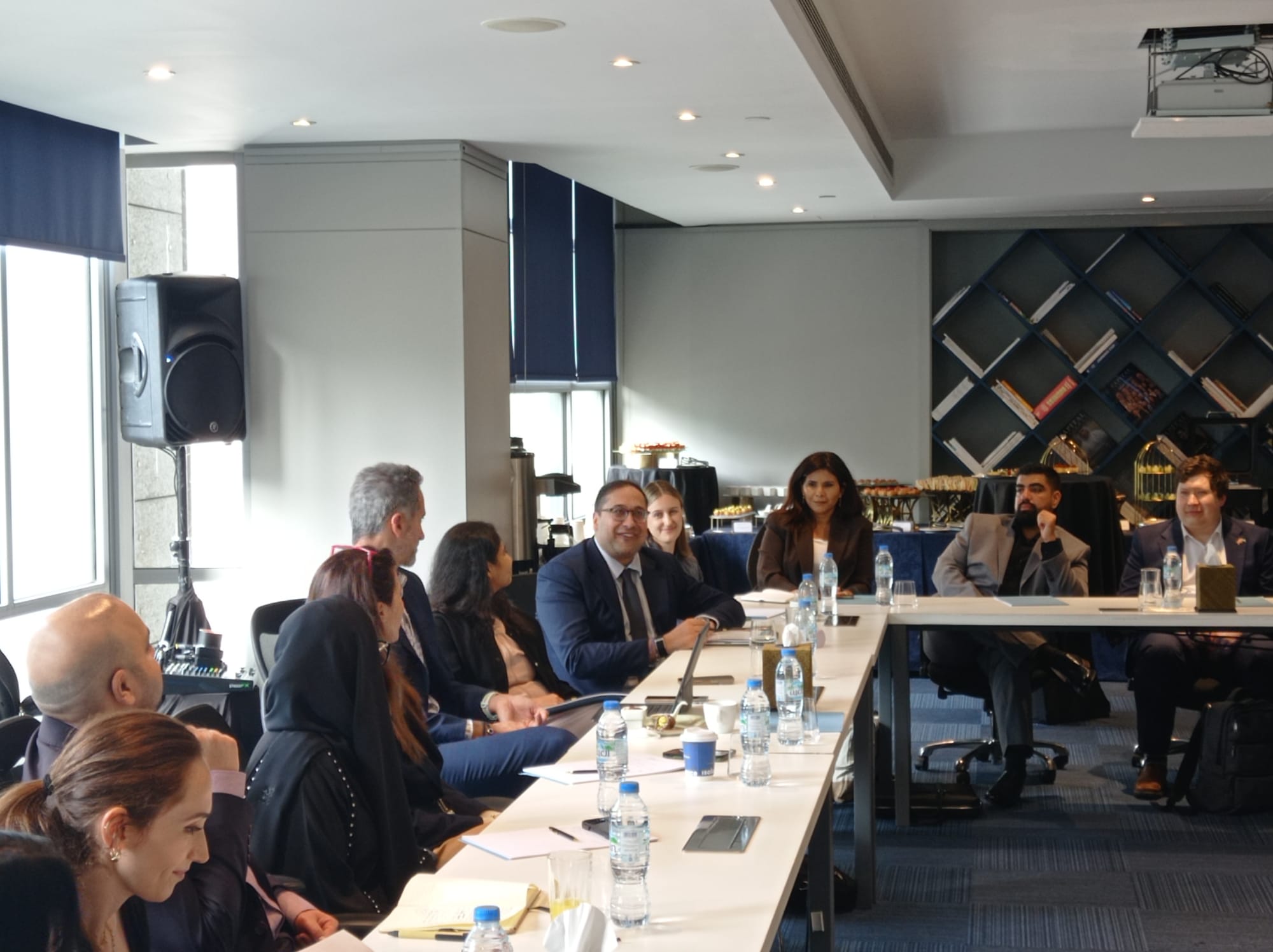
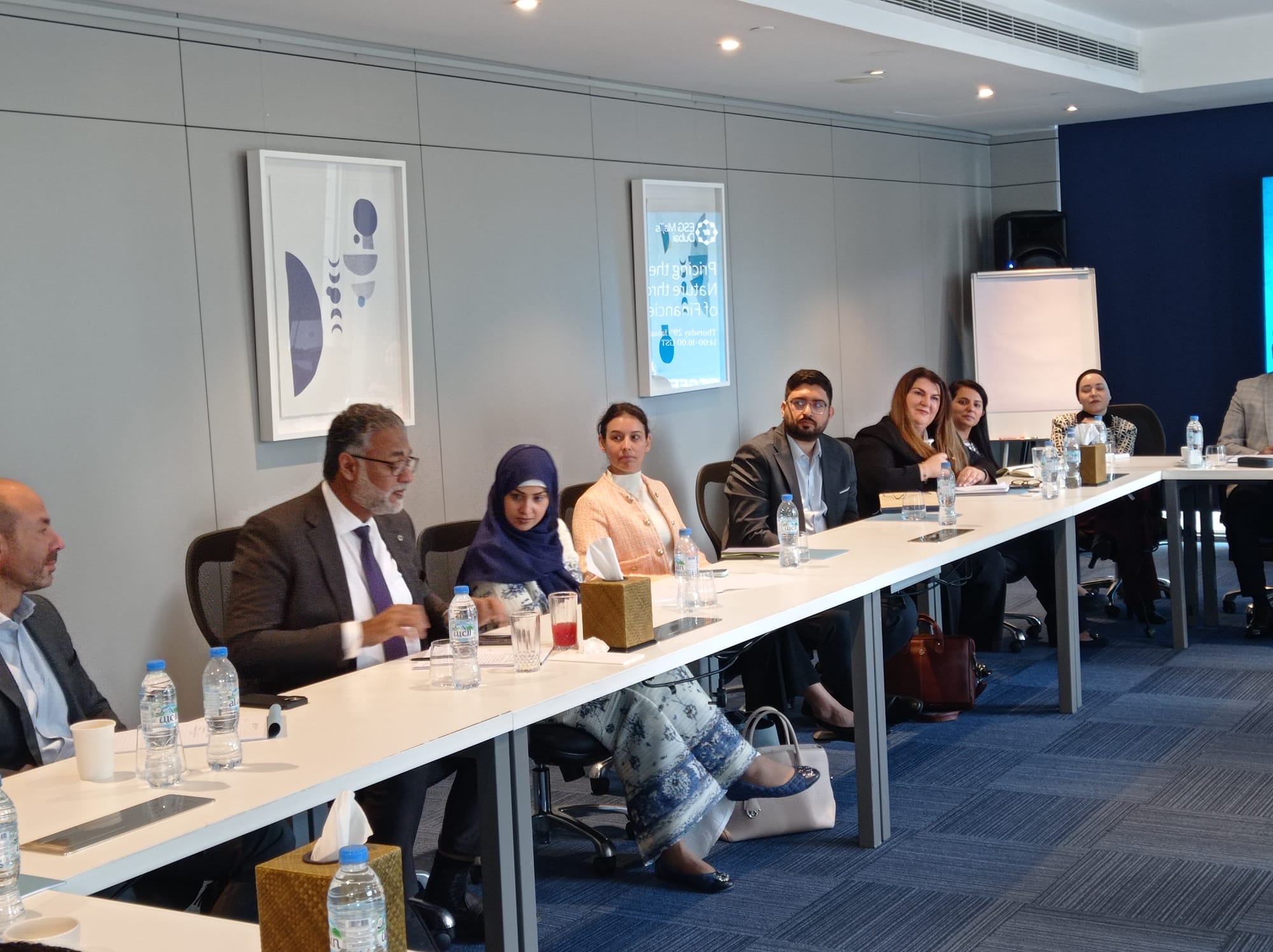
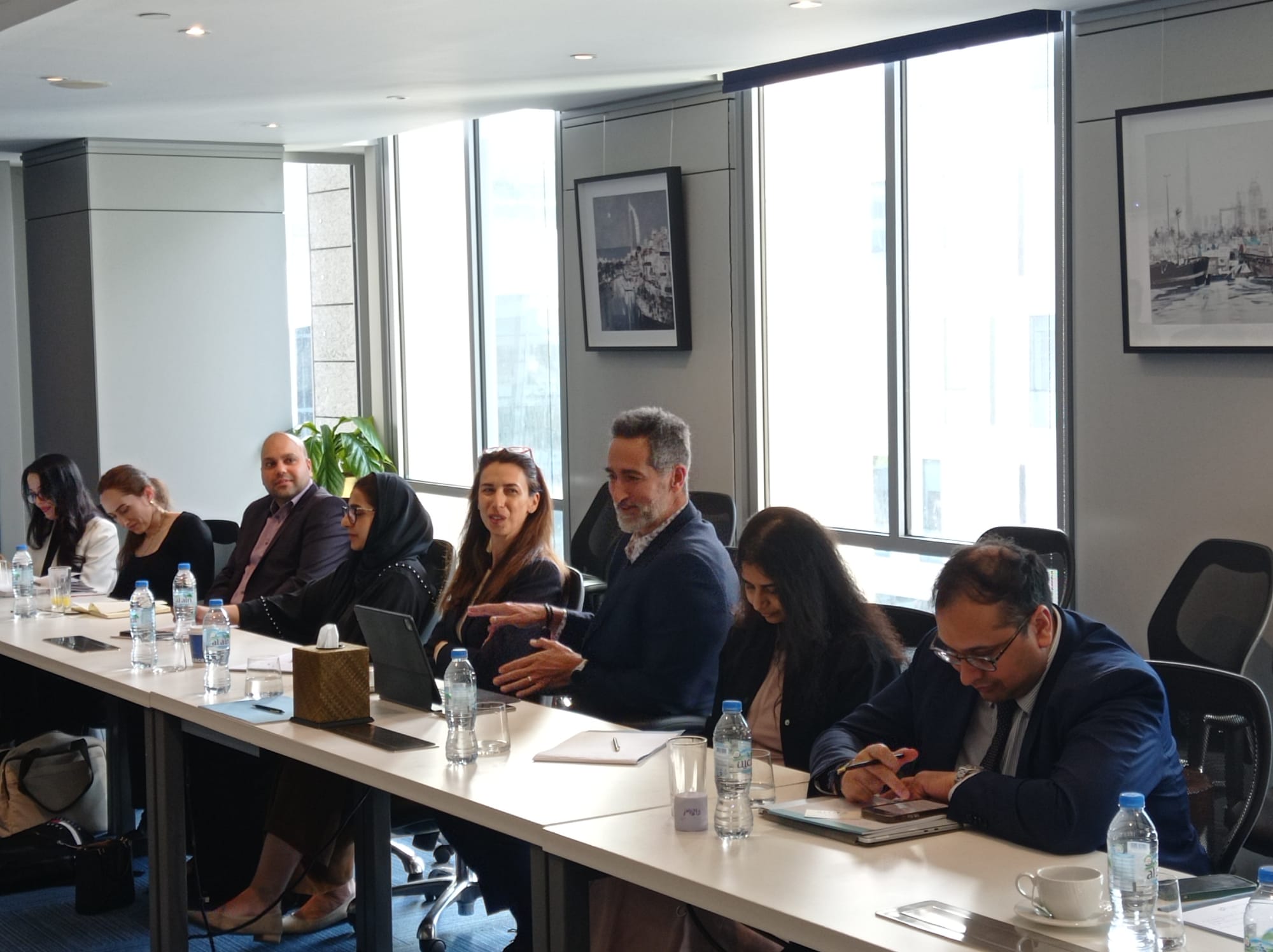
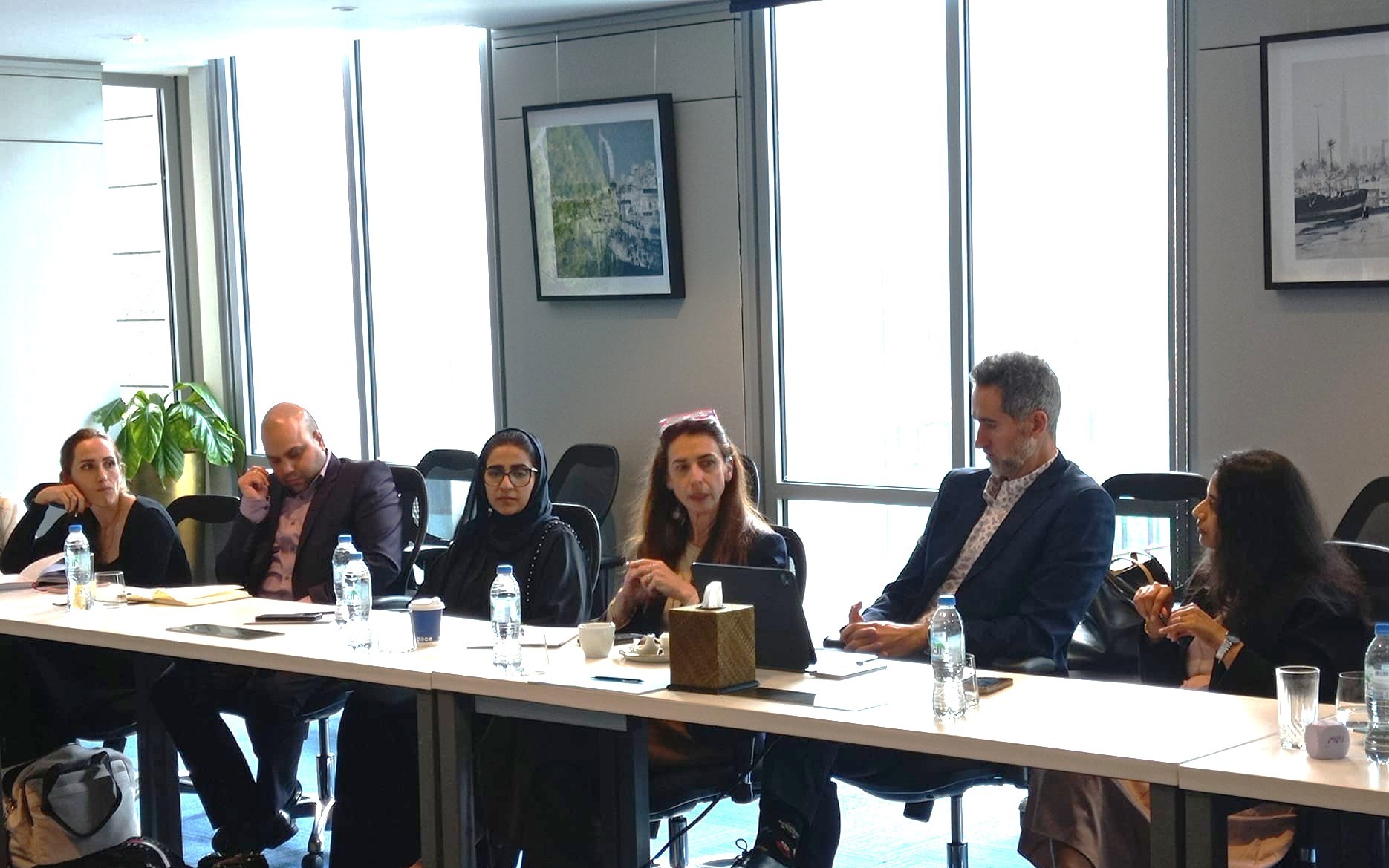
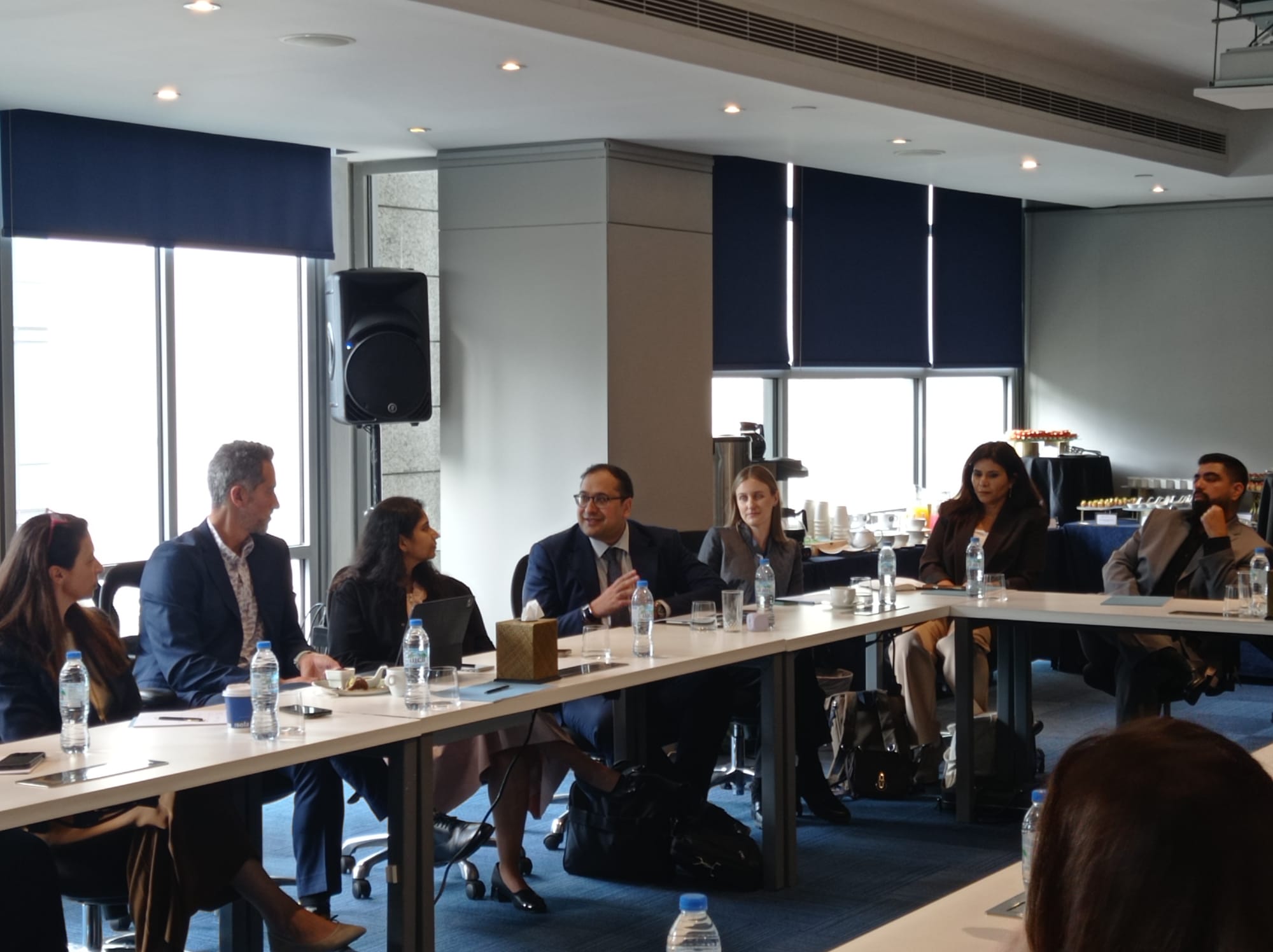
Part of GEFI's Nature to Capital Markets in the GCC Programme supported by the British Embassy in the UAE, the session heard expert insights from Dame Susan Rice, Chair of GEFI, and featured an exclusive preview of GEFI's Nature Blue-Green Bond and Sukuk toolkit to be released in March 2026.
The Majlis was attended by senior representatives from British Embassy in the UAE, Emirates NBD, HSBC, Standard Chartered, Emirates WWF, Goumbook, Dubai Islamic Bank, Commercial Bank of Dubai and Aegon Asset Management.
The conversation comes at a pivotal moment with the upcoming COP17 in Armenia and the UN Water Conference taking place in Dubai, 2026 is positioned as a defining year for nature and biodiversity. Regulatory momentum is building in the UAE with the Federal Decree-Law No. 11 of 2024, which mandates the systematic measurement, standardisation, and disclosure of climate-related data. This legislation offers a foundation that can be extended to encompass nature-related risks, impacts, and opportunities.
Key discussion points that were covered during the interactive and dynamic session have been summarised below.
Framing Nature and Biodiversity
The nature finance gap is currently estimated at USD 700 billion per year through 2030. The Global Biodiversity Framework (GBF) has reinforced the urgency of action, with Target 15 calling for mandatory disclosure of nature-related risks and dependencies, and Target 19 aiming to mobilise USD 200 billion annually in biodiversity finance. The centrality of nature to climate goals was reaffirmed at COP30 in Belém, prompting multilateral development banks to revise their tracking methodologies and to develop a Nature Finance Taxonomy.
The GCC region faces distinct ecological and financial vulnerabilities. These include freshwater scarcity, energy-intensive desalination, a reliance on imported food systems, and the concentration of critical infrastructure along increasingly fragile coastlines. Ecosystem degradation compounds these risks, placing nature-based solutions at the heart of any credible long-term financial strategy in the region.
Distinction Within Interdependence: The Nature–Climate Nexus
A central theme throughout the dialogue was the dynamic relationship between nature and climate. Nature was repeatedly characterised not as a static background condition, but as an active system capable of accelerating or undermining climate outcomes. While many institutions are still adapting to climate-related disclosures and carbon accounting, biodiversity is emerging as the next, more complex frontier. Participants agreed that biodiversity cannot simply be appended to existing climate frameworks without significant adaptation.
Nature Through the Eyes of Financiers
This Majlis aims to explore how nature is perceived through the lens of finance and to bridge the disconnect between scientific, financial, and civil society communities—sectors that often operate with divergent languages, priorities, and frameworks. The lack of a shared conceptual foundation and common terminology continues to impede effective collaboration, resulting in missed opportunities both to safeguard biodiversity and to realise the economic potential of nature-positive investments. One of the most striking manifestations of this gap is the persistent undervaluation of preservation. While restoration initiatives tend to receive greater financial attention due to their more tangible and marketable outcomes, preservation remains marginalised within prevailing financial models, despite its critical importance to long-term ecological and economic stability.
Pricing the Priceless: Nature or Interventions
A core theme emerging from the roundtable was the need to rethink how nature is positioned within financiais systems. Rather than attempting to monetise ecosystems themselves, the emphasis must shift to pricing interventions such as restoration, resilience-building, and risk mitigation—that deliver measurable outcomes. Framing interventions as investable solutions allows for the creation of structured financial products without commodifying nature.
Scaling Private Capital
Scaling private capital into nature-positive investments remains a pressing challenge. The debate is no longer about whether private finance should be involved, but how to enable credible, large-scale participation. Success in this area depends on aligning investor expectations with ecological realities, developing outcome-based models with clear performance indicators, and building trusted data frameworks. Blended finance was identified as essential to this equation. Concessional and philanthropic capital must play a catalytic role, absorbing early-stage risk and enabling commercial capital to scale. Islamic finance, grounded in ethical stewardship principles, was highlighted as a credible alternative for mobilising capital in regions such as the GCC and the wider Global South.
Nature Finance Systemic Gaps
Several systemic gaps were acknowledged. Education remains a foundational barrier, with nature finance still underrepresented in academic curricula. Data fragmentation, inconsistent terminology, and a lack of transparency continue to undermine investor confidence and restrict market formation. Additionally, exclusionary ESG policies, though rooted in risk aversion, can sometimes obstruct engagement with projects that have real transformative potential.
Inclusive Dialogue, Investable Nature
The Majlis concluded with a shared recognition that unlocking nature-positive investment at scale requires not only technical innovation, but also institutional alignment, regulatory support, and a shift in financial culture. Participants reaffirmed the need for platforms that enable ongoing dialogue, practical collaboration, and knowledge exchange across sectors.
Pricing the Priceless series will continue on the 18th of February in a dedicated private webinar that will delve further into the design of investable nature projects. Click here to register.

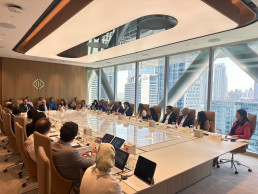
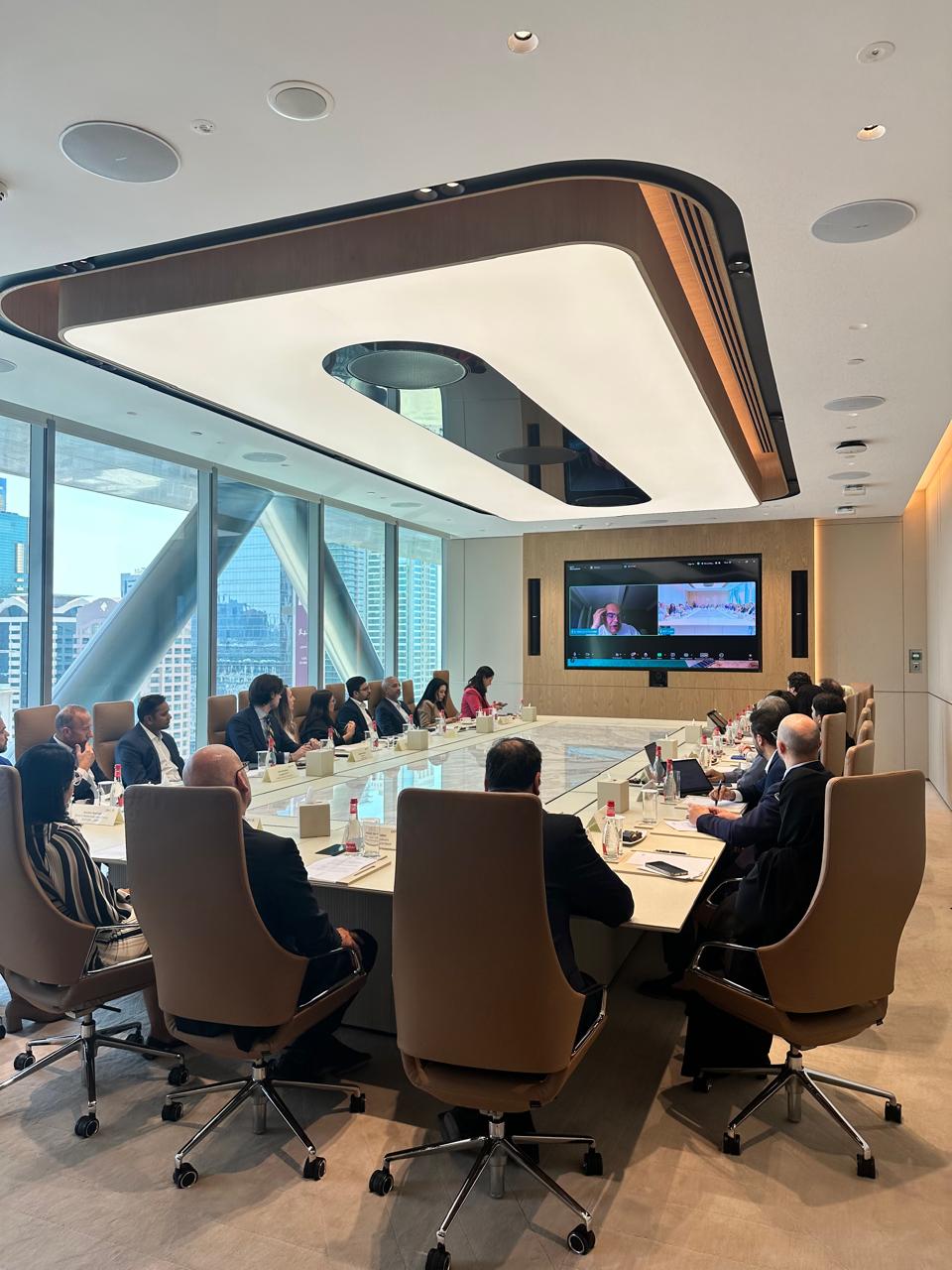
GEFI, DIFC, Climate Champions and SLK Capital host the fourth session of ESG Majlis Dubai
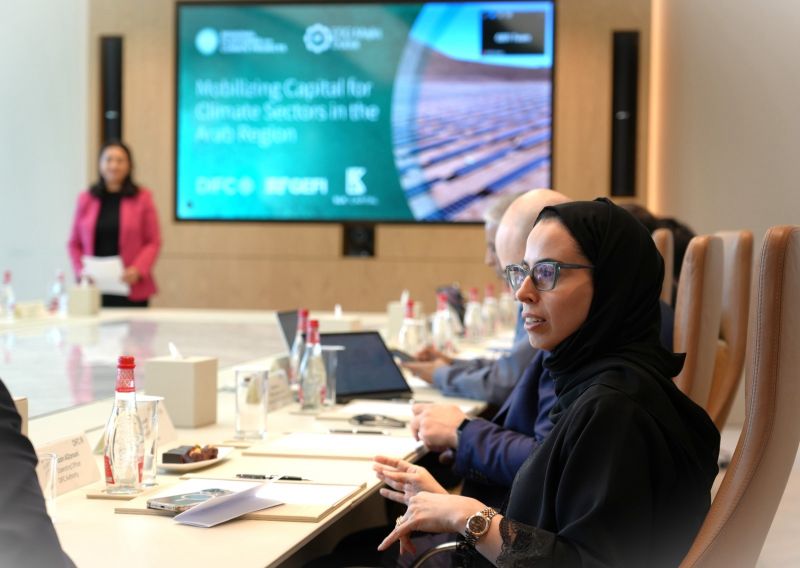
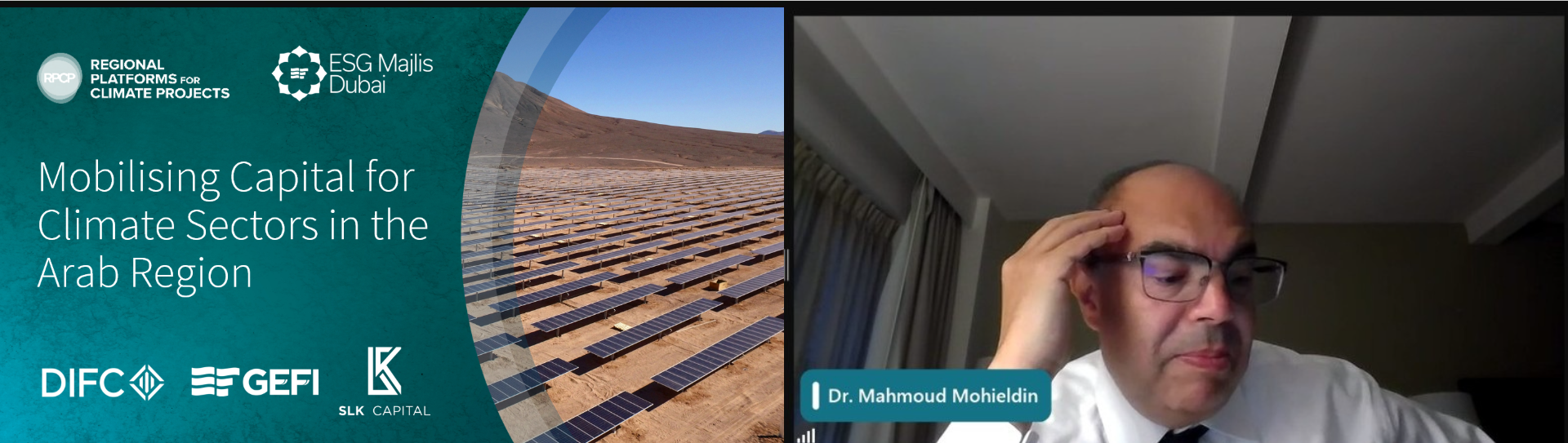
The session was themed “Mobilising Capital for Climate Sectors in the Arab Region” and heard expert insights from Alya Al Zaarouni, COO, DIFC and Dr. Mahmoud Mohieldin, UN Special Envoy on Financing the 2030 Agenda for Sustainable Development and Climate Champions Ambassador
The fourth ESG Majlis took place on 29 April 2025 at DIFC, held in partnership with DIFC, Climate Champions and SLK Capital. Themed “Mobilising Capital for Climate Projects in the Arab Region,” the session convened key stakeholders from across the financial and energy sectors to discuss pathways for de-risking investments, fostering public-private partnerships, and accelerating climate finance flows in the lead-up to COP30.
The session included participants from ACWA Power, AMEA Powers. HSBC, Emirates NBD, Japan Bank for International Cooperation (JBIC), Industrial Transition Accelerator (ITA) and Nippon Export and Investment Insurance (NEXI).
Key discussion points that were covered during the interactive and dynamic session have been summarised below.
Opening Remarks
Alya Al Zarouni, COO of DIFC, opened the session by reaffirming DIFC’s commitment to mobilising both financial and human capital to drive a sustainable, future-ready economy. She highlighted initiatives such as the One Million Learners Programme and the Dubai Sustainable Finance Working Group.
Omar Shaikh, Managing Director of GEFI, emphasized the importance of convening, collaborating and moving from dialogue to action, advocating for broader adoption of scalable climate investments across the region.
Dr. Mahmoud Mohieldin, UN Special Envoy on Financing the 2030 Agenda for Sustainable Development and Climate Champions Ambassador, reflected on the evolving climate finance landscape and the urgent need to integrate climate, nature, and development priorities. He praised the progress made in the Arab region through regional collaboration, platform-based approaches, and knowledge exchange, and called for stronger regulatory frameworks and improved data ecosystems to support implementation
Regional climate initiatives
Abydos I Solar Project in Egypt is one of Africa’s largest, generating 1,500GWh of clean energy and helping to power 300,000 households.
- NEOM Green Hydrogen Project in Saudi Arabia, set to be the largest renewable hydrogen facility globally, aims to produce 600 tons of clean hydrogen per day by 2026.
- Mohammed Bin Rashid Al Maktoum Solar Park in Dubai is the largest solar park globally and will generate 5,000MW by 2030 as part of UAE’s clean energy goals.
- Red Sea Wind Project in Egypt, with a capacity of 500MW, is contributing to Egypt’s renewable energy targets, supplying electricity to 800,000 homes.
- H2 Global aims to bridge the gap in green hydrogen trade, promoting scalable hydrogen supply linked to Europe.
- NWFE (Nexus of Water, Food, and Energy) in Egypt integrates water, food, and energy for sustainable development, already financing 4.2GW of renewable energy.
- $3 Billion Green Financing Facility in the UAE driving low-carbon transformation.
- The UAE Alliance for Climate Action (UACA) brings together over 60 companies to accelerate decarbonization efforts, including initiatives like deploying 80,000 zero-emission vehicles by 2040.
- Nature-Based Solutions (NbS) for climate adaptation work to restore coastal ecosystems and deliver biodiversity benefits, also supporting economic and food security goals.
Key Challenges in Scaling Climate Investments in the region:
- Shortage of Bankable Projects: Many countries in the region, particularly those with non-investment grade ratings, face a limited pipeline of bankable projects due to insufficient de-risking mechanisms and underdeveloped regulatory frameworks.
- Need for De-risking Instruments: While capital is increasingly available, investors and developers are constrained by the lack of risk mitigation tools, such as credit guarantees, blended finance structures.
- Policy and Regulatory Gaps: Regulatory uncertainty and lack of long-term policy commitments impede investment flows.
- Implications of CBAM for Regional Exporters: The implementation of the EU’s Carbon Border Adjustment Mechanism (CBAM) poses significant challenges for exporters in the region. Without access to verifiable clean energy sources and transparent emissions data, industrial players may struggle to meet compliance requirements, potentially undermining competitiveness in European markets.
- Barriers to Reaching Final Investment Decision (FID): Many industrial developers face structural and non-financial barriers that delay or prevent full investment commitments. These include regulatory uncertainty, inadequate infrastructure, and limited access to enabling mechanisms needed to scale up low-carbon production capacity.
- Limited Access to Clean Electricity: Developers in the UAE currently rely on International Renewable Energy Certificates (I-RECs) to demonstrate renewable energy use, as direct access to clean electricity remains limited. Regulatory restrictions make it difficult to deploy on-site or off-grid solar installations, impeding decarbonization efforts, especially for large industrial consumers.
- Lack of PPAs: In some jurisdictions, single-buyer electricity market structures prevent the use of long-term Power Purchase Agreements (PPAs), which are essential to securing financing for renewable energy projects. The absence of PPAs complicates compliance with CBAM and other market-based climate regulations that require traceable clean energy inputs.
- Scrap Metal Supply and Constraints on Secondary Production: The UAE faces a limited domestic supply of scrap metal, restricting the potential for secondary (recycled) production of aluminium and steel—key components of low-carbon industrial processes. Scaling up local recycling infrastructure and ensuring steady scrap availability are critical for reducing emissions intensity in heavy industry.
- Disconnect Between Green Supply and Demand: There is a notable misalignment between producers of green industrial commodities and downstream sectors such as construction and real estate. In the absence of coordinated offtake agreements or demand-side incentives, producers face commercial uncertainty in expanding green material output.
Insights and Recommendations towards Mobilizing Capital for Climate projects in the Arab region
- Transition Finance Framework: There is a pressing need for a coherent, regionally tailored transition finance framework in the Arab region, drawing on best practices from Japan and ASEAN. Greater harmonization of taxonomies, coupled with enhanced risk-sharing mechanisms—particularly from multilateral development banks (MDBs) such as the IFC and EBRD—is essential to enable commercial banks to finance transitional projects.
- Enabling Policy Environment: The upcoming round of NDC 3.0 submissions must be accompanied by tangible finance mobilization strategies and compelling economic opportunity narratives. While over 6,000 finance-related project requests have been submitted by countries, the absence of enabling policy environments remains a critical barrier. There is a clear call for deeper private sector engagement to help shape these frameworks and ensure alignment with national priorities.
- Public-Private Partnerships (PPPs): The co-creation of investable projects, joint petitions and policy advocacy, translating global climate signals into actionable domestic policies and pipelines.
- Regional and International Cooperation: Strengthened cooperation across borders is vital to unlock shared financing mechanisms, technical assistance, and policy alignment.
- Alternative Financing Mechanisms: In response to the decline in official development assistance (ODA), the region must explore innovative financing solutions, including the use of regional climate funds and philanthropic capital.
- Debt and Financial Structure Diversification: In countries facing debt distress, there is a need to diversify financing instruments to support sustainable development without exacerbating fiscal vulnerabilities.
- Scaling Private Sector Contributions to Adaptation: Greater emphasis is needed on mobilizing private sector investment in adaptation measures, which remains significantly underfunded compared to mitigation.
- Capacity Building and Knowledge Sharing: Capacity-building initiatives and learning platforms are essential to support implementation at scale.
Final Remarks: The Road to Belem
With the deadline for submitting updated Nationally Determined Contributions (NDCs) fast approaching in September 2025. There is an urgent need to align private capital with national climate objectives. To date, only $47 billion in climate finance has been mobilized in the Arab region, far short of the estimated $570 billion required by 2030. COP30 presents a pivotal opportunity to close this gap and catalyze scaled investment toward regional climate priorities.

GEFI and Nasdaq Dubai host the fifth session of ESG Majlis Dubai
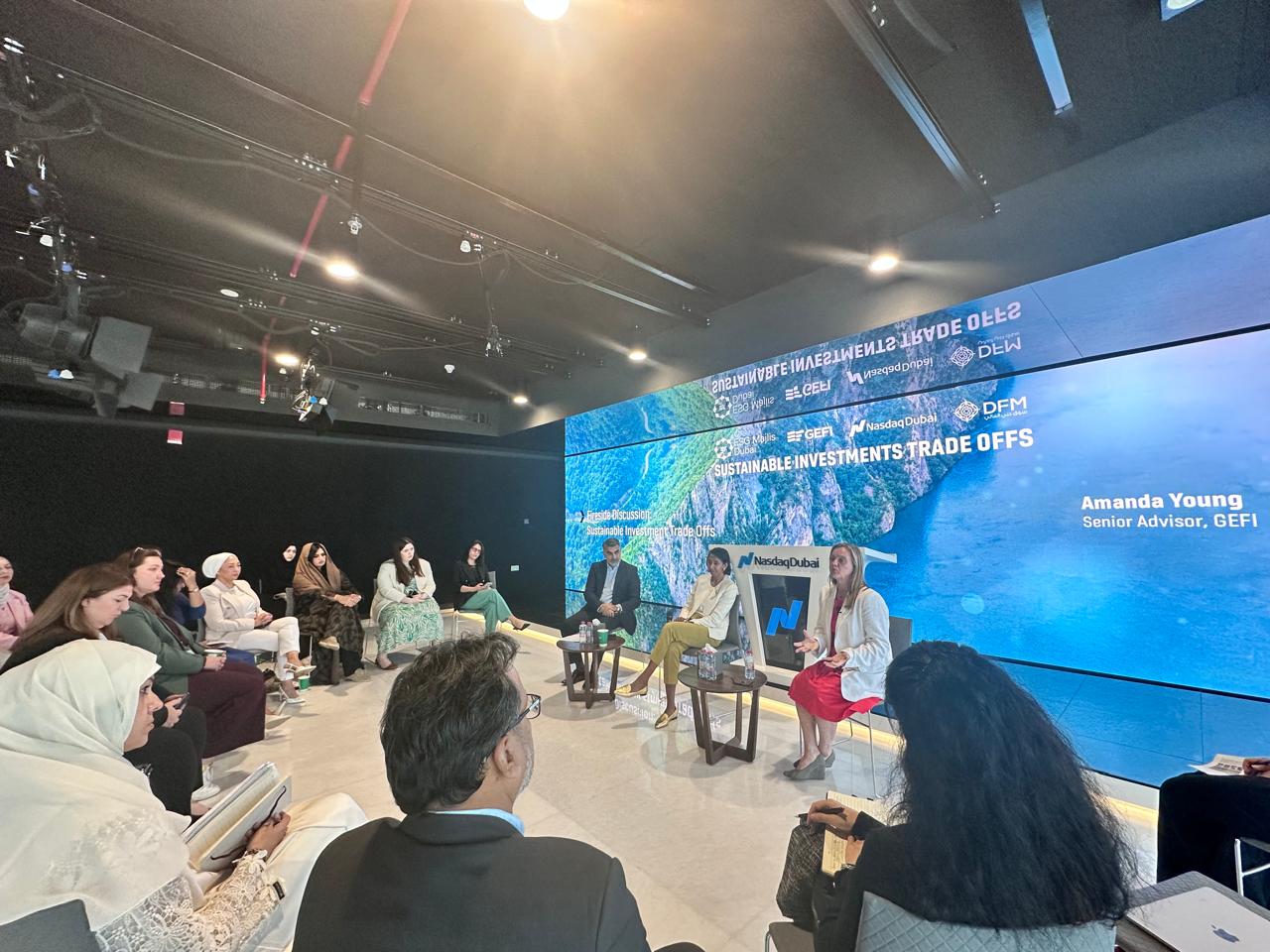
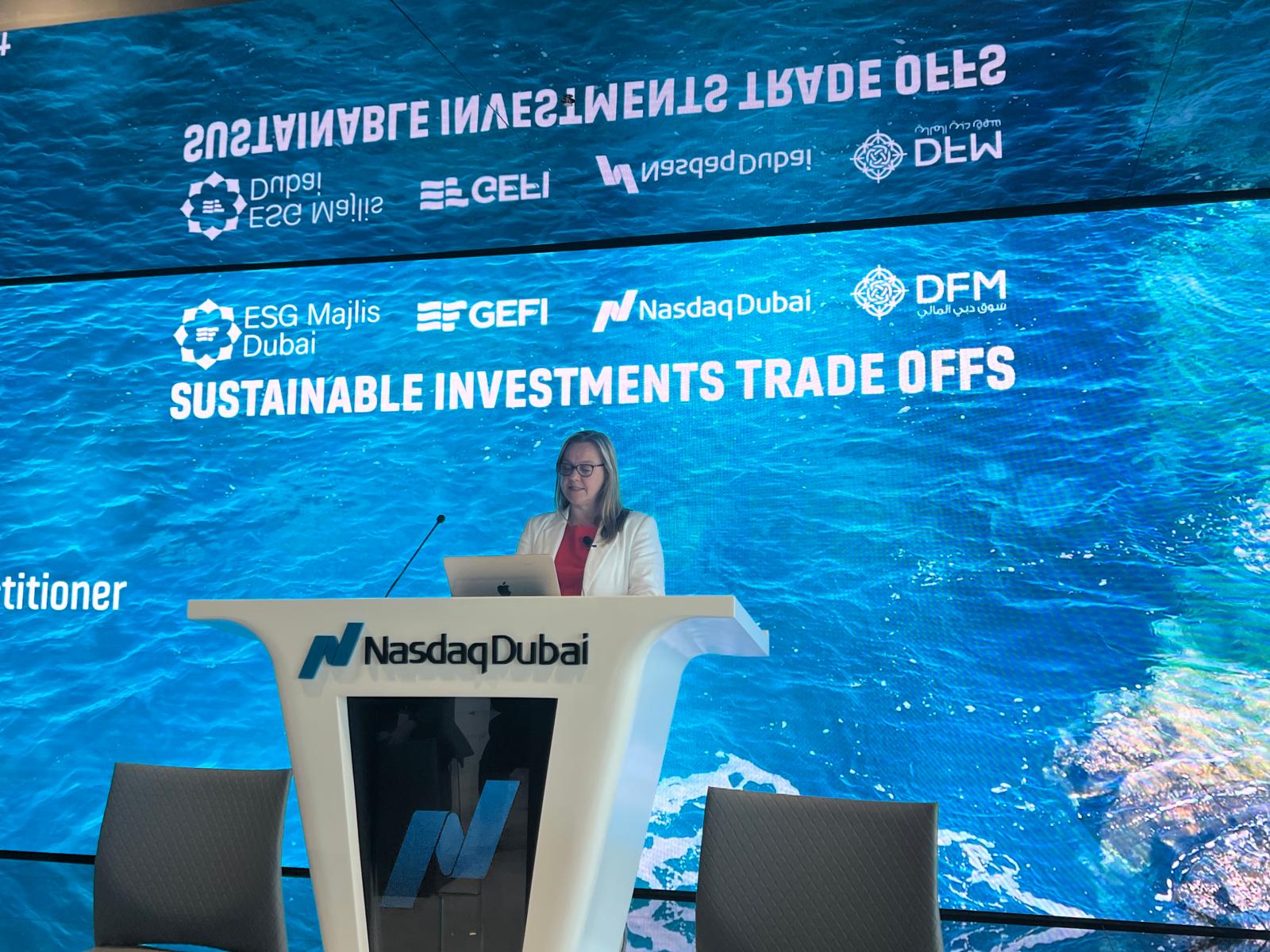
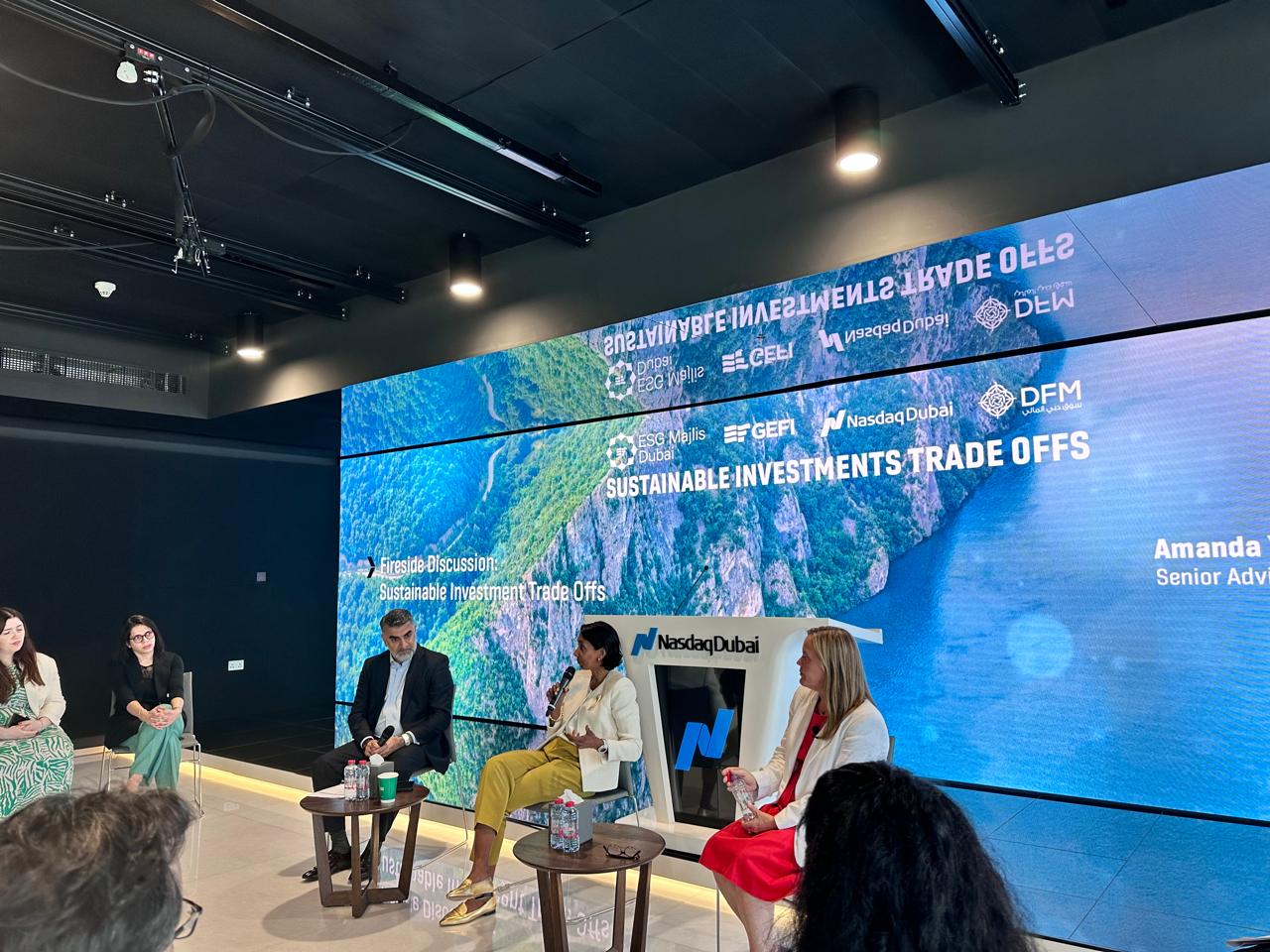
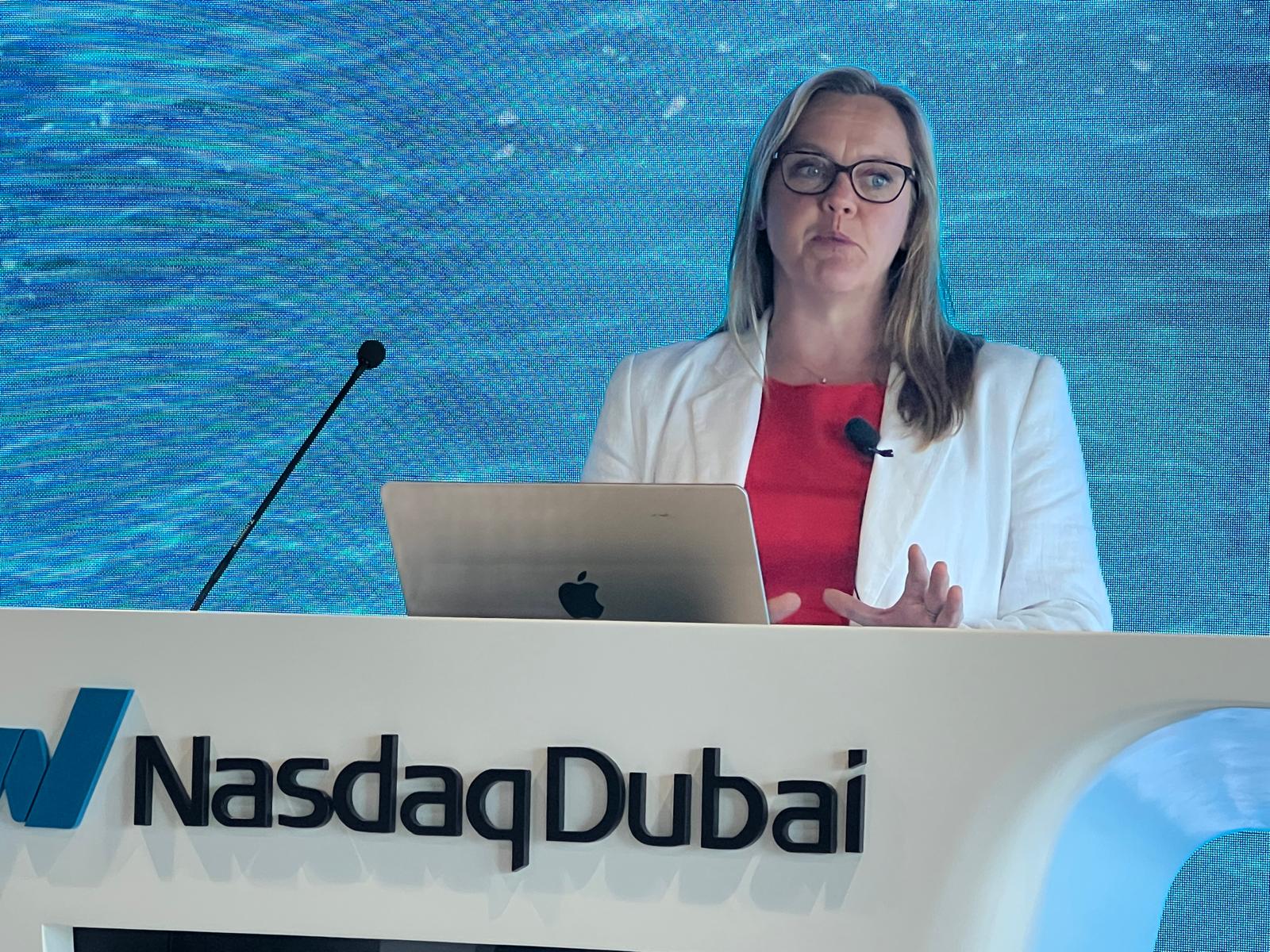
The session was themed “Sustainable Investment Trade Offs” and heard expert insights from Amanda Young, former Global Chief Sustainability Officer for Investments at Abrdn. and Sonali Siriwardena, Partner and Global Head of ESG at Simmons & Simmons
ESG Majlis Dubai
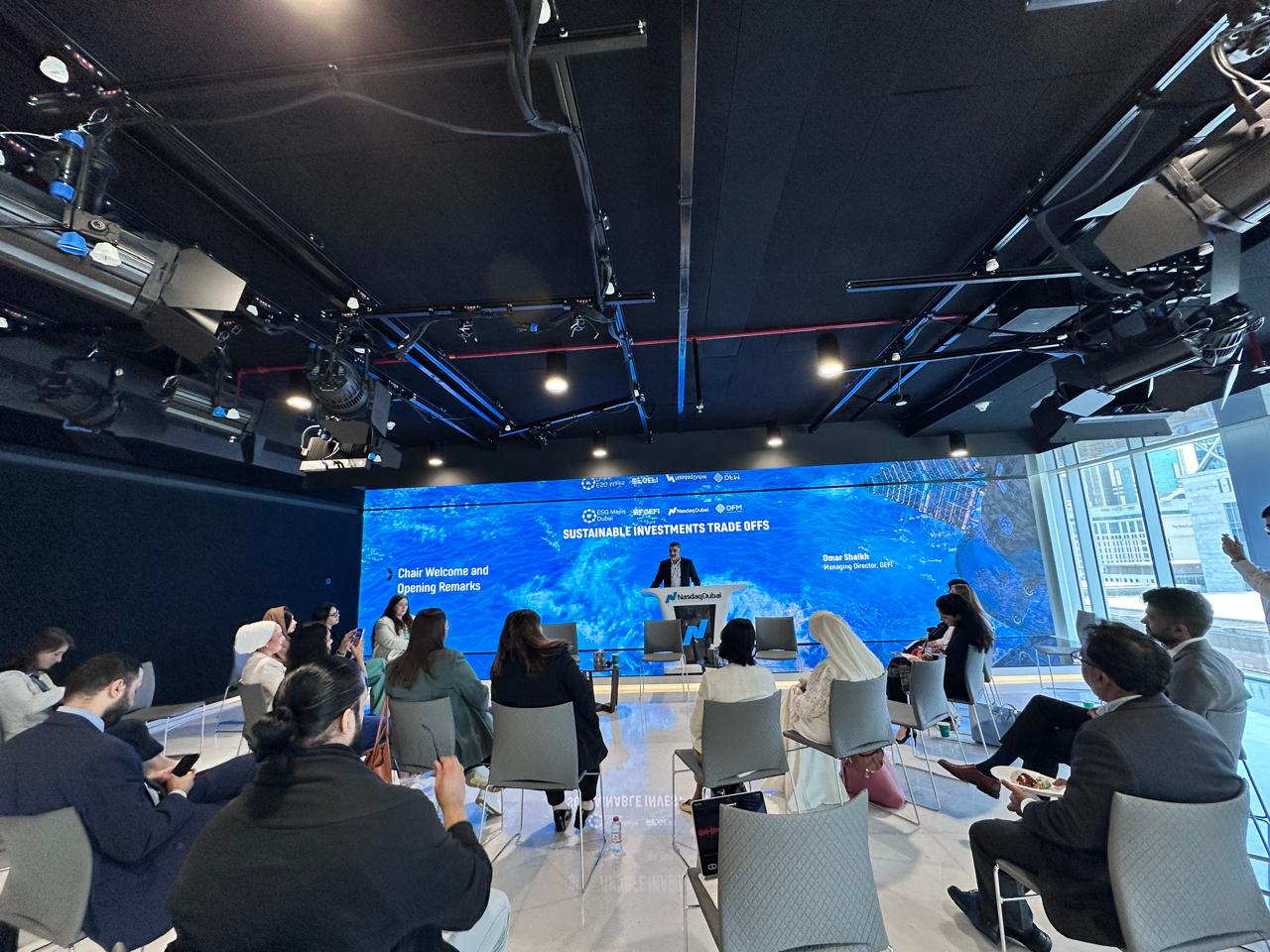
The fifth ESG Majlis took place at the Exchange, Nasdaq Dubai, on Thursday 15th May 2025 with the discussion delving into the key trade-offs in sustainable investment amid the increasingly complex financial landscape.
The Majlis was attended by senior representatives from DFM, Emirates NBD asset management, HSBC, FAB, Deloitte and DDCAP
Key discussion points that were covered during the interactive and dynamic session have been summarised below.
Confessions of a Justified ESG Practitioner
The session opened on a personal and reflective note, with Amanda Young, a seasoned ESG practitioner, sharing candid insights from her two-decade journey in sustainable investment. Her remarks traced the evolution of ESG from niche ethical investing to a core financial discipline, highlighting both the progress made and the persistent challenges in aligning capital with purpose. Her “confessions” set the tone for a dynamic and honest dialogue, underscoring the complexity of embedding sustainability into financial systems. Click here for her full keynote.
Overview of Dubai‘s Capital Markets
The ESG majlis was further contextualised by Dubai’s rising prominence in sustainable finance. Nasdaq Dubai has firmly positioned itself as a leading venue for both conventional and ESG debt instruments:
- USD 138 billion in total bonds and sukuk listings, with 162 active instruments.
- USD 9.03 billion in new debt listings year-to-date (2025).
- A diversified issuer base with 82% corporate and 18% government entities, and over 55% of listings originating from the UAE.
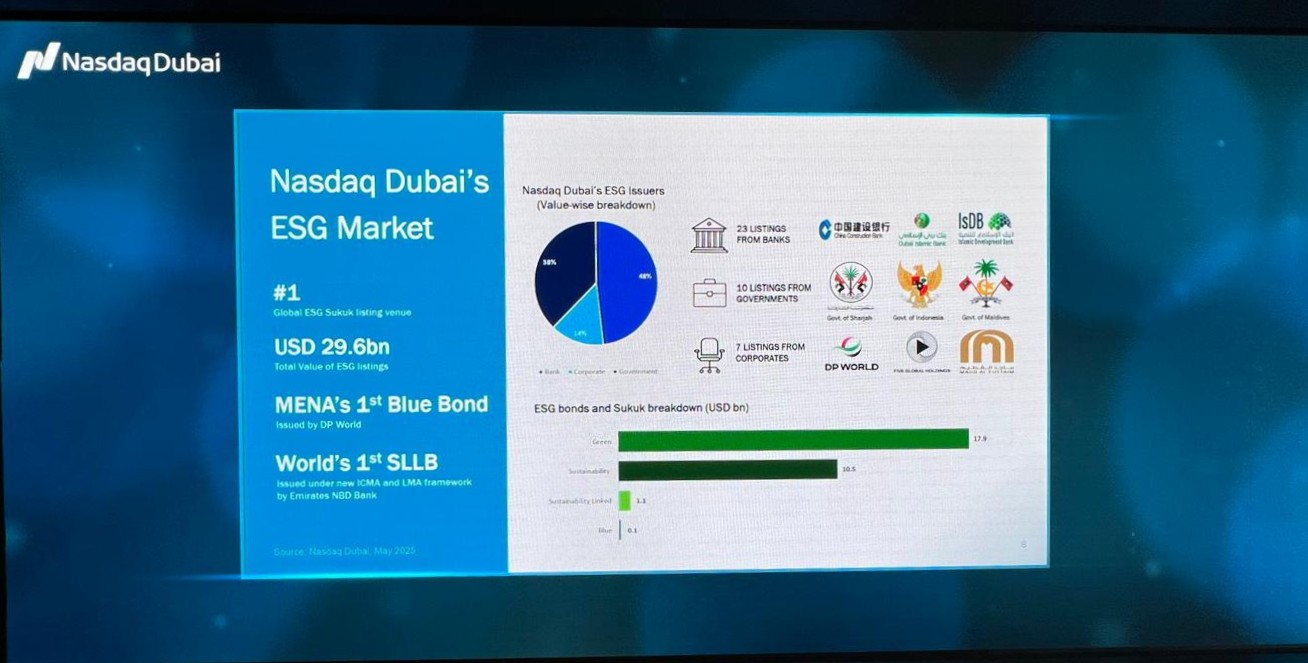
In the ESG space, Nasdaq Dubai stands out as the #1 global ESG sukuk listing venue, with:
- USD 29.6 billion in ESG listings.
- Landmark issuances include MENA’s first blue bond (DP World) and the world’s first Sustainability-Linked Loan Bond (SLLB) under ICMA and LMA frameworks (Emirates NBD).
- ESG issuer mix includes banks (45%), governments (14%), and corporates (36%), reflecting broad engagement across sectors.
Open Discussion and Insights
The discussion highlighted a clear shift. Sustainability is no longer just an ethical imperative but a commercial necessity. ESG integration is maturing from values-based investing toward data-driven, financially grounded strategies. However, tensions persist. Participants explored the persistent misalignment between long-term sustainability goals and short-term market expectations, noting that quarterly earnings cycles often deprioritise ESG initiatives that require upfront investment and yield longer-term returns.
The Majlis examined how ESG is evolving from a risk mitigation tool into a driver of innovation and competitive advantage. Yet, conventional financial metrics can obscure the value of sustainable models. Attendees stressed the need to rethink how performance is measured and valued across portfolios.
Regulation featured prominently in the discussion. While participants acknowledged the importance of consistent standards to improve disclosure and accountability, they warned of mounting “regulatory fatigue” due to overlapping frameworks and operational burdens. In parallel, calls were made for more targeted regulation to support nascent markets such as carbon credits and nature-based assets, which were seen as critical to scaling sustainability efforts.
Beyond technical considerations, the conversation turned to the need for deeper cultural and governance shifts. Embedding sustainability into core business strategy, rethinking fiduciary duties, and aligning incentives with long-term outcomes were seen as vital steps toward meaningful transformation.
Summary
The discussion challenged conventional thinking around trade-offs, calling for a fundamental shift in mindset. Rather than perceiving tensions between return and purpose, short-term performance and long-term resilience, or risk and innovation as binary choices, participants emphasised the need to approach them as dynamic interdependencies.
Reframing trade-offs not as compromises, but as opportunities for systemic alignment, requires moving beyond a mindset of sacrifice toward one of strategic integration. This shift demands a deeper cultural transformation within finance where complexity is embraced, long-term thinking is normalised, and success is measured not solely by financial returns, but by the capacity to generate enduring social and environmental value. Sustainability, in this sense, becomes not an external consideration but a redefinition of what it means to steward capital responsibly.
GEFI and PwC Middle East host third ESG Majlis Dubai round table
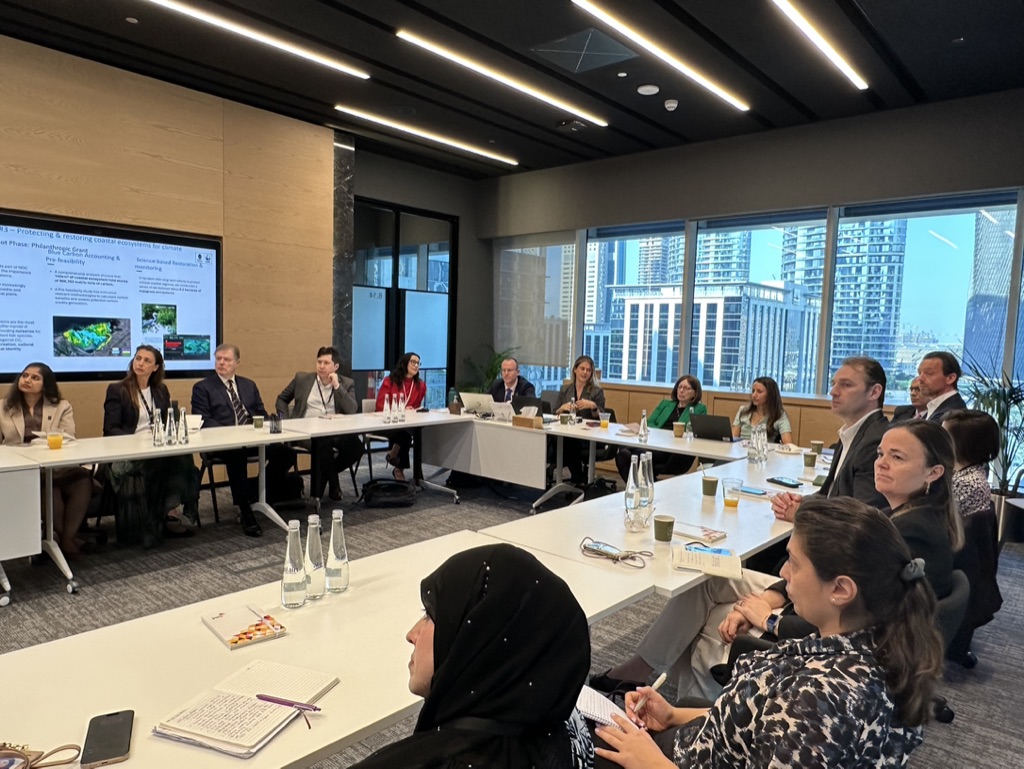
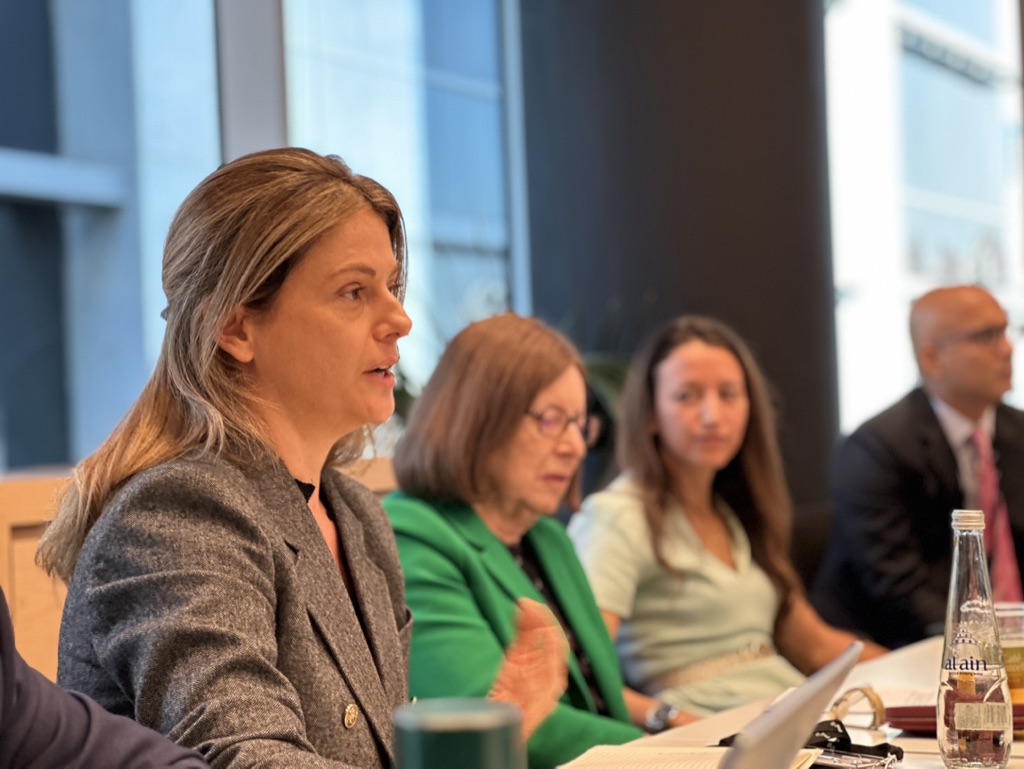
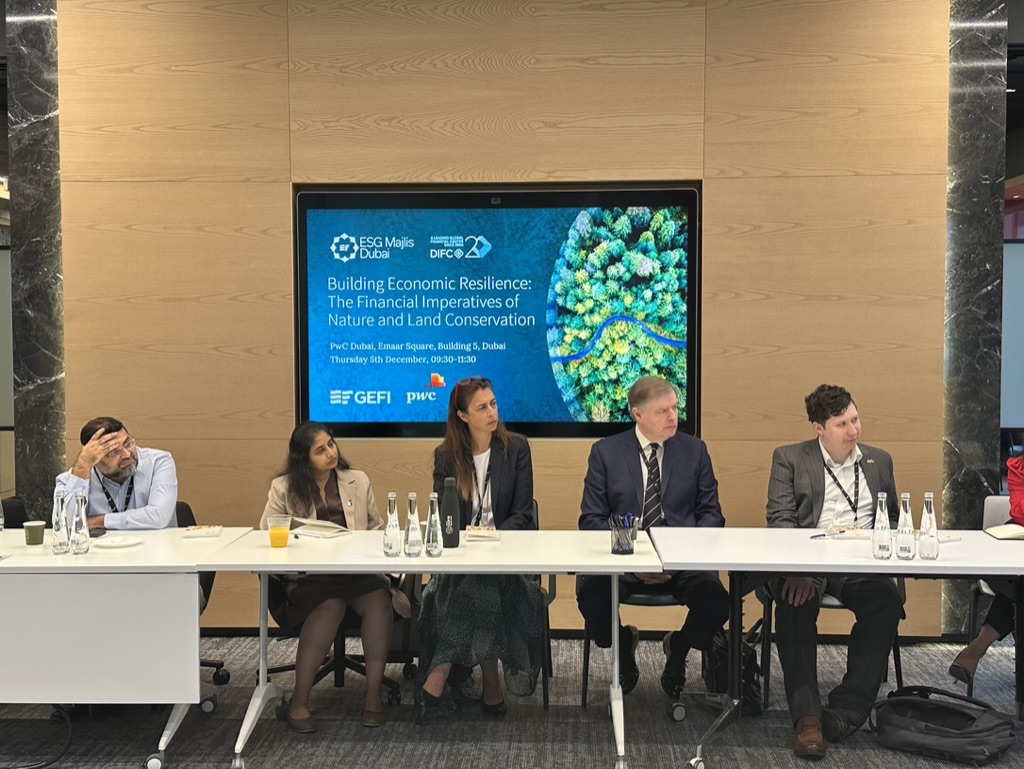
The third ESG Majlis Dubai took place on the 5th December 2024 in partnership with PwC. The session was themed “Financial Imperatives of Nature and Land Conservation in the Middle East” and heard expert insights from Dame Susan Rice, GEFI, Amal Larhlid, PwC Middle East and Marina Antonopoulou, Emirates Nature - WWF.
ESG Majlis Dubai
The third ESG Majlis, Dubai took place at the PwC Middle East office in Dubai on Thursday 5th December 2024 with the discussion delving into the challenges and opportunities associated with nature finance, emphasising the necessity for collaborative efforts to integrate nature conservation into economic systems.
The Majlis was attended by senior representatives from the Accuracy, Emirates NBD, Global Capacity Building Coalition (GCBC), Goumbook, HSBC, ING, National Bank of Fujairah, Scottish Government, UK Government, and Zurich Insurance
Key discussion points that were covered during the interactive and dynamic session have been summarised below.

Building Economic Resilience
The discussion kicked off with a presentation on the Financial Imperatives of Nature and Land Conservation in the Middle East, a report published by GEFI in partnership with PwC Middle East.
It opened with an overview of the global progress in nature finance, highlighting outcomes from international conferences like COP16. Participants noted the strides made in setting biodiversity targets and establishing financial agreements to support conservation efforts, before examining the Middle East’s unique environmental challenges:
- Biodiversity Loss: Over 2,400 species in the MENA region are threatened.
- Coral Reef Degradation: The UAE has lost 20,000 square kilometers of coral reefs.
- Water Scarcity: The region includes 12 of the world’s 17 most water-stressed countries.
- Population Growth: Rapid urbanisation and unsustainable practices are exacerbating ecosystem stress.
The presentation emphasised the urgency of addressing nature loss and the potential solutions involving finance and innovation in the region, highlighting the need to address the:
- Cost-Effectiveness of Prevention: Emphasising that preventing environmental degradation is cheaper than fixing issues after they occur
- Alarming Global Statistics on Nature Decline: Noting that over 50% of global GDP depends on nature, 85% of freshwater species have declined, and 40% of land is degraded, underscoring the urgency to act
- Regional Environmental Threats: Highlighting specific challenges in the Middle East, such as hyper-aridity, unsustainable land practices, and rapid population growth, with over 2,400 species facing threats
- Global Funding Gap for Biodiversity: Addressing the $700 billion annual funding gap for biodiversity, requiring an increase in biodiversity funding to $200 billion per year by 2030
The Financial Sector’s Role in Nature Conservation
The discourse underscored the crucial role of the financial sector in promoting nature conservation. It was noted that nature-related risks could significantly reduce company valuations, yet innovative projects like mangrove restoration demonstrate investment potential. Opportunities exist in green and blue bonds, debt-for-nature swaps, and Islamic finance models, offering new avenues for funding conservation efforts.
Technological advancements were highlighted, including leveraging technology such as 3D printing for coral reefs and drones for wildlife monitoring to enhance conservation initiatives. Despite these opportunities, participants acknowledged several barriers hindering progress. The lack of clear commercial returns on nature investments makes it challenging to secure funding within traditional financial frameworks. Measuring and quantifying nature-related risks and impacts is complex, hindering informed decision-making. Additionally, the absence of harmonised regulatory frameworks complicates implementation across the region, and the focus on immediate returns often conflicts with the long-term horizons required for nature investments.
Case Studies and Initiatives
The session also featured discussions on successful initiatives that demonstrate the potential of nature finance. Experts heavily involved within the climate change and nature conservation space shared insights into ongoing initiatives:
- Ecosystem Valuation: Efforts to quantify the economic value of ecosystems to make a compelling business case for conservation
- Ecotourism Development: Projects aimed at making protected areas financially viable through sustainable tourism that benefits local communities
- Sustainable Farming Practices: Initiatives supporting farmers in adopting resilient agricultural methods suitable for arid conditions
- Blue Carbon Ecosystems: Research and restoration projects focused on coastal ecosystems that sequester carbon, contributing to climate mitigation
The need for blended finance and collaborative approaches emerged as a key topic, as those involved with backgrounds in sustainable engineering called for platforms for private sector investment whilst ensuring projects are based on science and deliver measurable impacts.
Open Discussion and Insights
An engaging and interactive discussion followed, with participants sharing perspectives on various topics. It was mentioned that there was a lack of standardised metrics to assess the impact of nature investments to reflect them in asset valuations, highlighting the importance of measurement and valuation in advancing nature finance.
The concept of blended finance and the necessity for government support were further discussed. Participants stressed the importance of models that combine public and private capital, along with the need for government incentives and supportive policies to make nature investments more attractive.
The regulatory role was a focal point, with calls for harmonisation to drive action and reduce barriers to investment in nature projects. Education and awareness were also underscored as critical factors, emphasising the importance of increasing understanding of local ecosystems, especially among youth and within businesses, to foster a culture that values sustainability.
The role of the insurance sector in risk assessment was recognised, highlighting how insurance companies can influence behaviour by appropriately pricing climate and nature risks, thus encouraging better risk management and investment in nature-positive projects.
Summary
The third ESG Majlis provided a collaborative platform to address the intersection of finance and nature conservation in the Middle East. Key takeaways included:
- Recognising the immediate need to integrate nature considerations into financial decision-making to build resilient economies
- Understanding the obstacles, including commercial viability, data challenges, and regulatory fragmentation
- Identifying innovative financing mechanisms and technological advancements that can support conservation efforts
- Emphasising the role of all stakeholders in driving change, from financial institutions to governments, businesses, and individuals