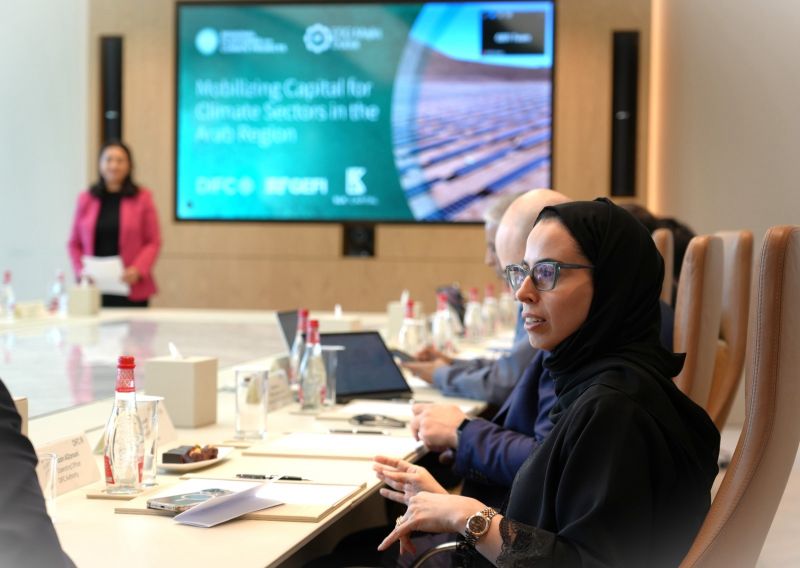
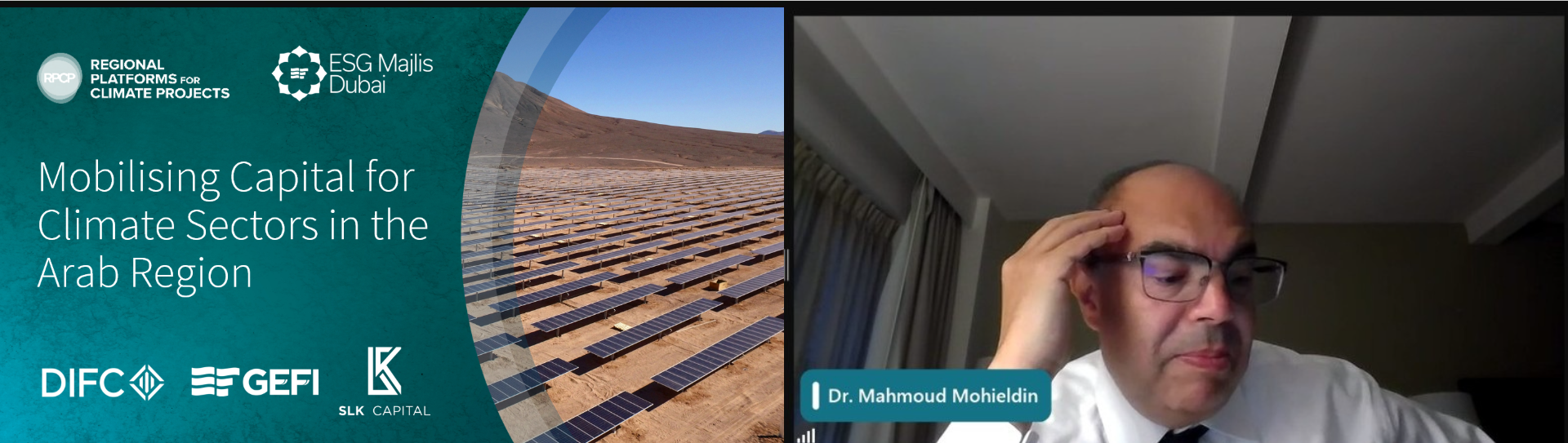
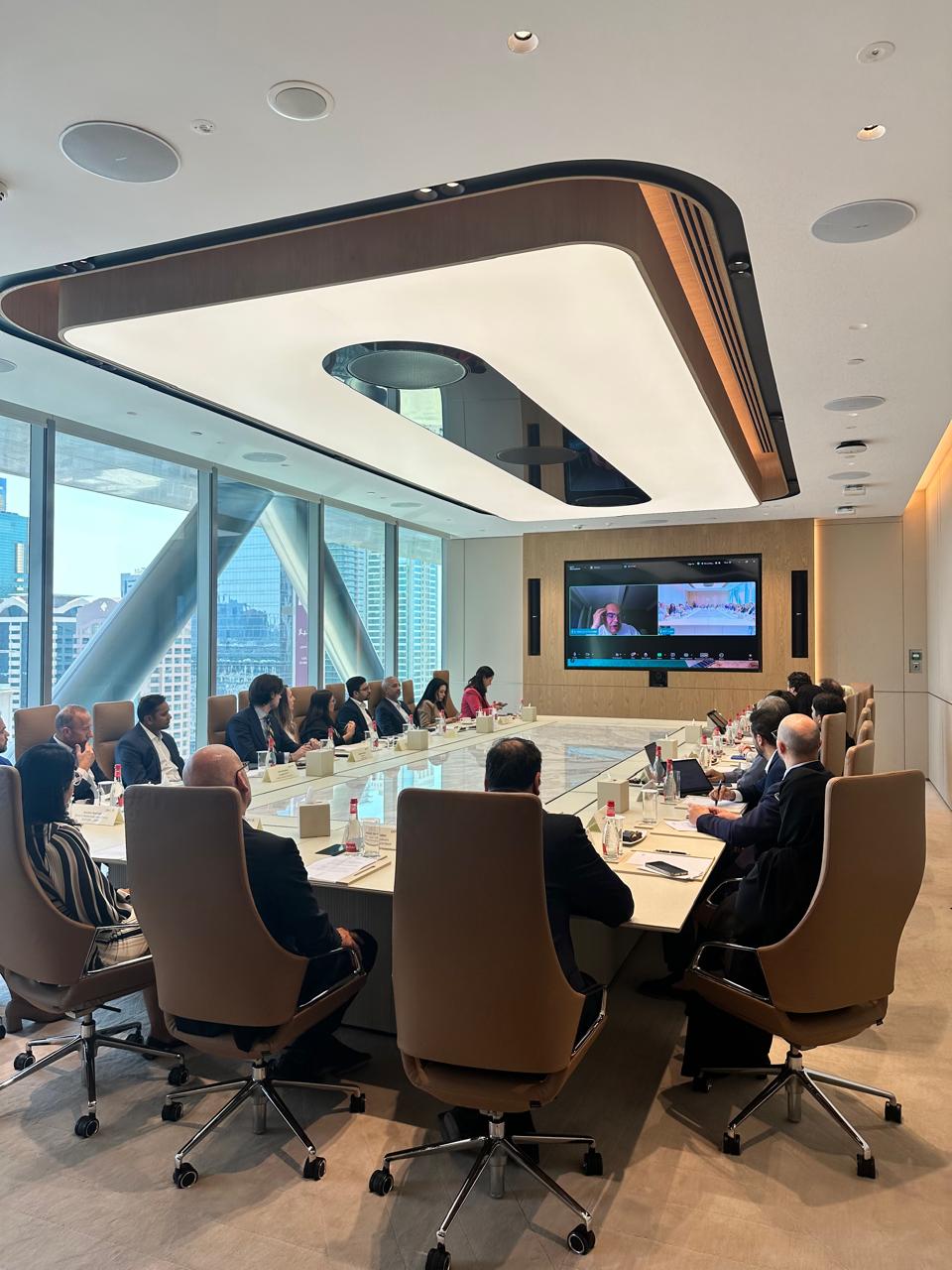
The session was themed “Mobilising Capital for Climate Sectors in the Arab Region” and heard expert insights from Alya Al Zaarouni, COO, DIFC and Dr. Mahmoud Mohieldin, UN Special Envoy on Financing the 2030 Agenda for Sustainable Development and Climate Champions Ambassador
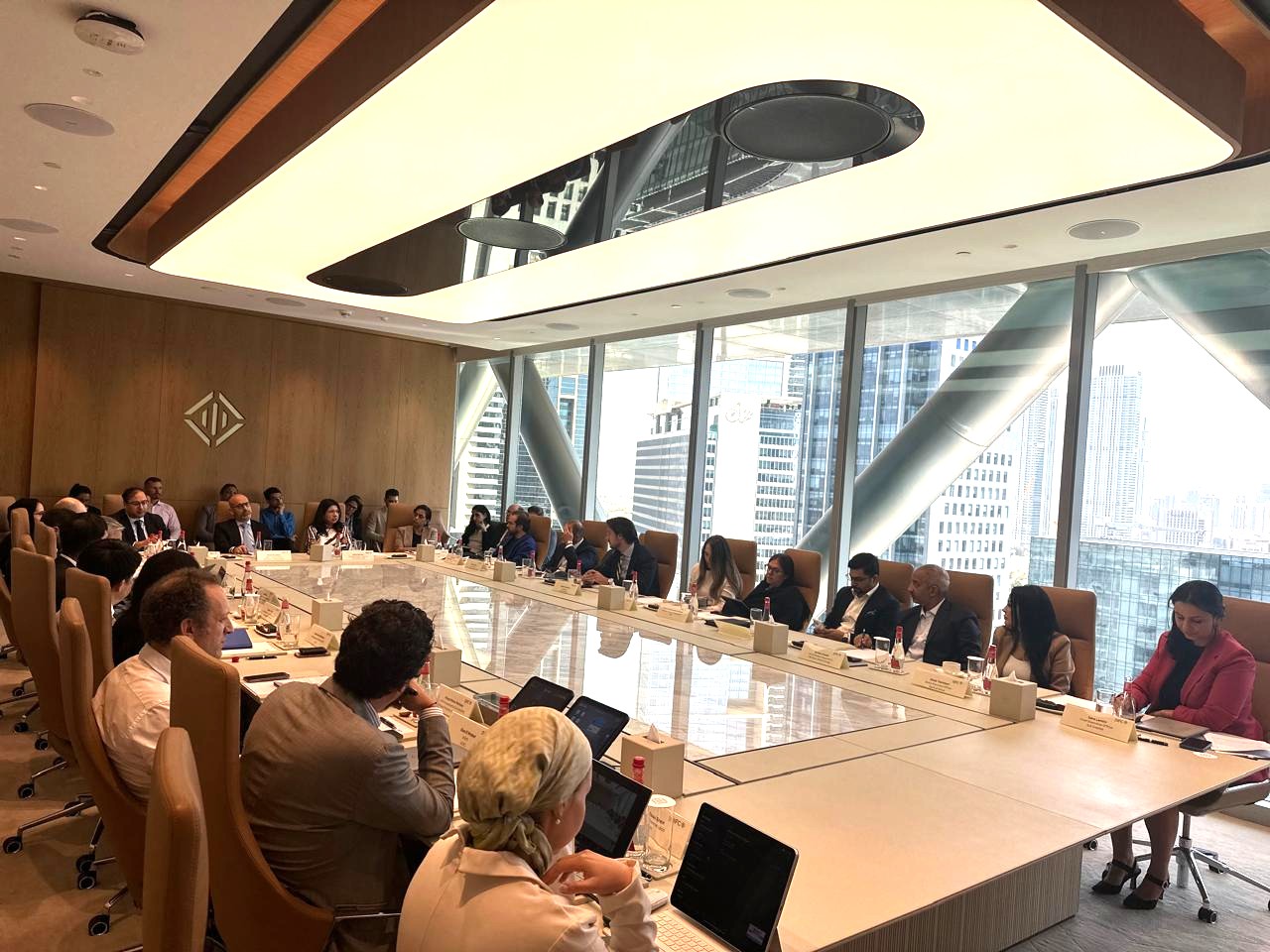
The fourth ESG Majlis took place on 29 April 2025 at DIFC, held in partnership with DIFC, Climate Champions and SLK Capital. Themed “Mobilising Capital for Climate Projects in the Arab Region,” the session convened key stakeholders from across the financial and energy sectors to discuss pathways for de-risking investments, fostering public-private partnerships, and accelerating climate finance flows in the lead-up to COP30.
The session included participants from ACWA Power, AMEA Powers. HSBC, Emirates NBD, Japan Bank for International Cooperation (JBIC), Industrial Transition Accelerator (ITA) and Nippon Export and Investment Insurance (NEXI).
Key discussion points that were covered during the interactive and dynamic session have been summarised below.
Opening Remarks
Alya Al Zarouni, COO of DIFC, opened the session by reaffirming DIFC’s commitment to mobilising both financial and human capital to drive a sustainable, future-ready economy. She highlighted initiatives such as the One Million Learners Programme and the Dubai Sustainable Finance Working Group.
Omar Shaikh, Managing Director of GEFI, emphasized the importance of convening, collaborating and moving from dialogue to action, advocating for broader adoption of scalable climate investments across the region.
Dr. Mahmoud Mohieldin, UN Special Envoy on Financing the 2030 Agenda for Sustainable Development and Climate Champions Ambassador, reflected on the evolving climate finance landscape and the urgent need to integrate climate, nature, and development priorities. He praised the progress made in the Arab region through regional collaboration, platform-based approaches, and knowledge exchange, and called for stronger regulatory frameworks and improved data ecosystems to support implementation
Regional climate initiatives
Abydos I Solar Project in Egypt is one of Africa’s largest, generating 1,500GWh of clean energy and helping to power 300,000 households.
- NEOM Green Hydrogen Project in Saudi Arabia, set to be the largest renewable hydrogen facility globally, aims to produce 600 tons of clean hydrogen per day by 2026.
- Mohammed Bin Rashid Al Maktoum Solar Park in Dubai is the largest solar park globally and will generate 5,000MW by 2030 as part of UAE’s clean energy goals.
- Red Sea Wind Project in Egypt, with a capacity of 500MW, is contributing to Egypt’s renewable energy targets, supplying electricity to 800,000 homes.
- H2 Global aims to bridge the gap in green hydrogen trade, promoting scalable hydrogen supply linked to Europe.
- NWFE (Nexus of Water, Food, and Energy) in Egypt integrates water, food, and energy for sustainable development, already financing 4.2GW of renewable energy.
- $3 Billion Green Financing Facility in the UAE driving low-carbon transformation.
- The UAE Alliance for Climate Action (UACA) brings together over 60 companies to accelerate decarbonization efforts, including initiatives like deploying 80,000 zero-emission vehicles by 2040.
- Nature-Based Solutions (NbS) for climate adaptation work to restore coastal ecosystems and deliver biodiversity benefits, also supporting economic and food security goals.
Key Challenges in Scaling Climate Investments in the region:
- Shortage of Bankable Projects: Many countries in the region, particularly those with non-investment grade ratings, face a limited pipeline of bankable projects due to insufficient de-risking mechanisms and underdeveloped regulatory frameworks.
- Need for De-risking Instruments: While capital is increasingly available, investors and developers are constrained by the lack of risk mitigation tools, such as credit guarantees, blended finance structures.
- Policy and Regulatory Gaps: Regulatory uncertainty and lack of long-term policy commitments impede investment flows.
- Implications of CBAM for Regional Exporters: The implementation of the EU’s Carbon Border Adjustment Mechanism (CBAM) poses significant challenges for exporters in the region. Without access to verifiable clean energy sources and transparent emissions data, industrial players may struggle to meet compliance requirements, potentially undermining competitiveness in European markets.
- Barriers to Reaching Final Investment Decision (FID): Many industrial developers face structural and non-financial barriers that delay or prevent full investment commitments. These include regulatory uncertainty, inadequate infrastructure, and limited access to enabling mechanisms needed to scale up low-carbon production capacity.
- Limited Access to Clean Electricity: Developers in the UAE currently rely on International Renewable Energy Certificates (I-RECs) to demonstrate renewable energy use, as direct access to clean electricity remains limited. Regulatory restrictions make it difficult to deploy on-site or off-grid solar installations, impeding decarbonization efforts, especially for large industrial consumers.
- Lack of PPAs: In some jurisdictions, single-buyer electricity market structures prevent the use of long-term Power Purchase Agreements (PPAs), which are essential to securing financing for renewable energy projects. The absence of PPAs complicates compliance with CBAM and other market-based climate regulations that require traceable clean energy inputs.
- Scrap Metal Supply and Constraints on Secondary Production: The UAE faces a limited domestic supply of scrap metal, restricting the potential for secondary (recycled) production of aluminium and steel—key components of low-carbon industrial processes. Scaling up local recycling infrastructure and ensuring steady scrap availability are critical for reducing emissions intensity in heavy industry.
- Disconnect Between Green Supply and Demand: There is a notable misalignment between producers of green industrial commodities and downstream sectors such as construction and real estate. In the absence of coordinated offtake agreements or demand-side incentives, producers face commercial uncertainty in expanding green material output.
Insights and Recommendations towards Mobilizing Capital for Climate projects in the Arab region
- Transition Finance Framework: There is a pressing need for a coherent, regionally tailored transition finance framework in the Arab region, drawing on best practices from Japan and ASEAN. Greater harmonization of taxonomies, coupled with enhanced risk-sharing mechanisms—particularly from multilateral development banks (MDBs) such as the IFC and EBRD—is essential to enable commercial banks to finance transitional projects.
- Enabling Policy Environment: The upcoming round of NDC 3.0 submissions must be accompanied by tangible finance mobilization strategies and compelling economic opportunity narratives. While over 6,000 finance-related project requests have been submitted by countries, the absence of enabling policy environments remains a critical barrier. There is a clear call for deeper private sector engagement to help shape these frameworks and ensure alignment with national priorities.
- Public-Private Partnerships (PPPs): The co-creation of investable projects, joint petitions and policy advocacy, translating global climate signals into actionable domestic policies and pipelines.
- Regional and International Cooperation: Strengthened cooperation across borders is vital to unlock shared financing mechanisms, technical assistance, and policy alignment.
- Alternative Financing Mechanisms: In response to the decline in official development assistance (ODA), the region must explore innovative financing solutions, including the use of regional climate funds and philanthropic capital.
- Debt and Financial Structure Diversification: In countries facing debt distress, there is a need to diversify financing instruments to support sustainable development without exacerbating fiscal vulnerabilities.
- Scaling Private Sector Contributions to Adaptation: Greater emphasis is needed on mobilizing private sector investment in adaptation measures, which remains significantly underfunded compared to mitigation.
- Capacity Building and Knowledge Sharing: Capacity-building initiatives and learning platforms are essential to support implementation at scale.
Final Remarks: The Road to Belem
With the deadline for submitting updated Nationally Determined Contributions (NDCs) fast approaching in September 2025. There is an urgent need to align private capital with national climate objectives. To date, only $47 billion in climate finance has been mobilized in the Arab region, far short of the estimated $570 billion required by 2030. COP30 presents a pivotal opportunity to close this gap and catalyze scaled investment toward regional climate priorities.