
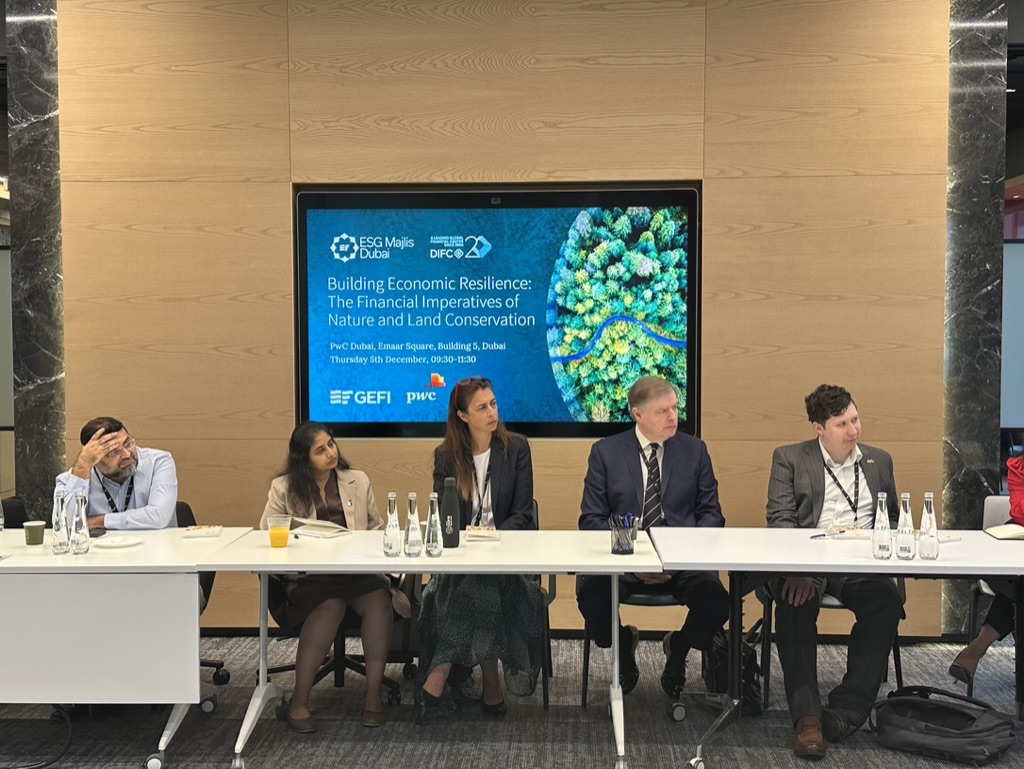
The third ESG Majlis Dubai took place on the 5th December 2024 in partnership with PwC. The session was themed “Financial Imperatives of Nature and Land Conservation in the Middle East” and heard expert insights from Dame Susan Rice, GEFI, Amal Larhlid, PwC Middle East and Marina Antonopoulou, Emirates Nature - WWF.
ESG Majlis Dubai
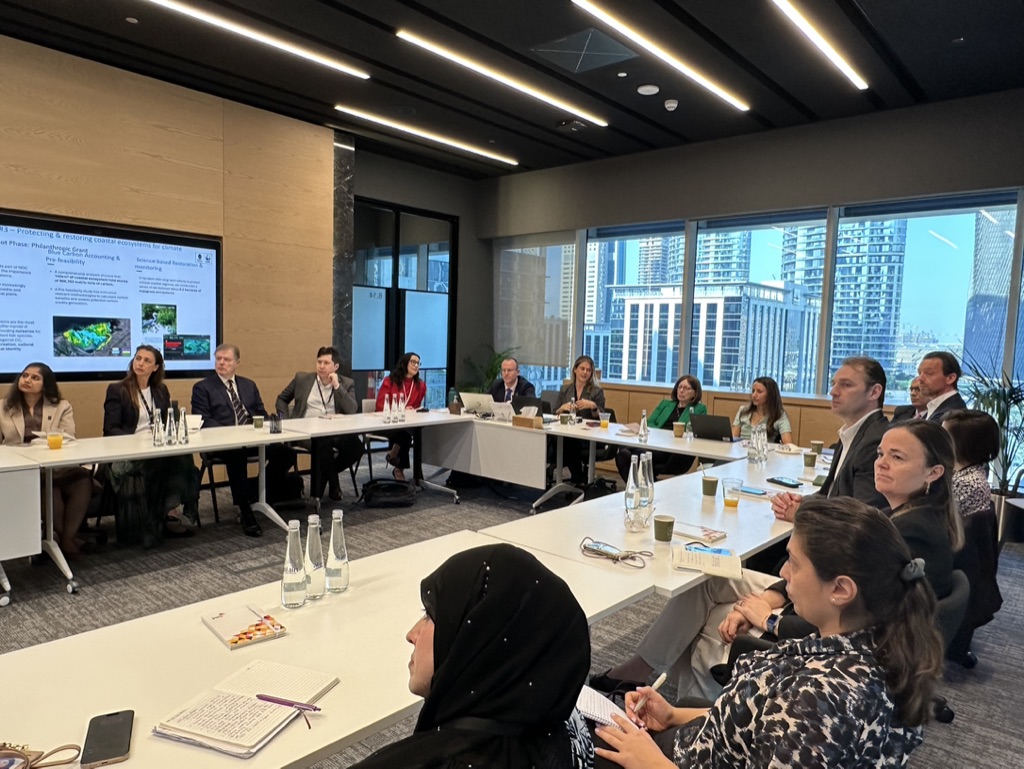
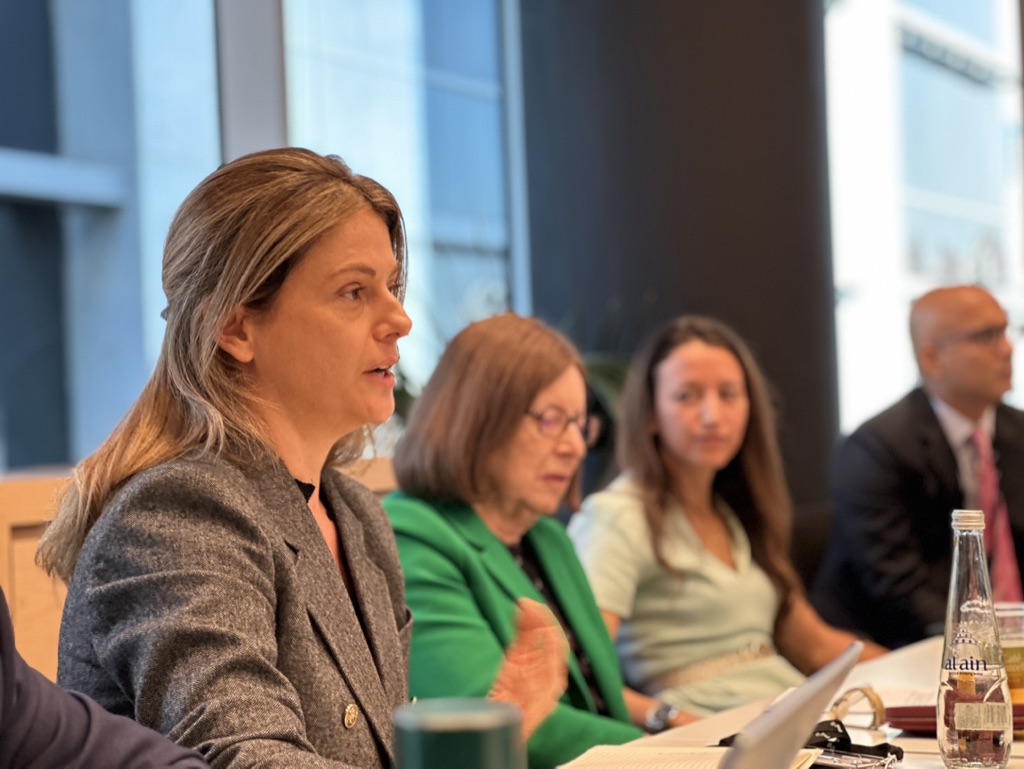
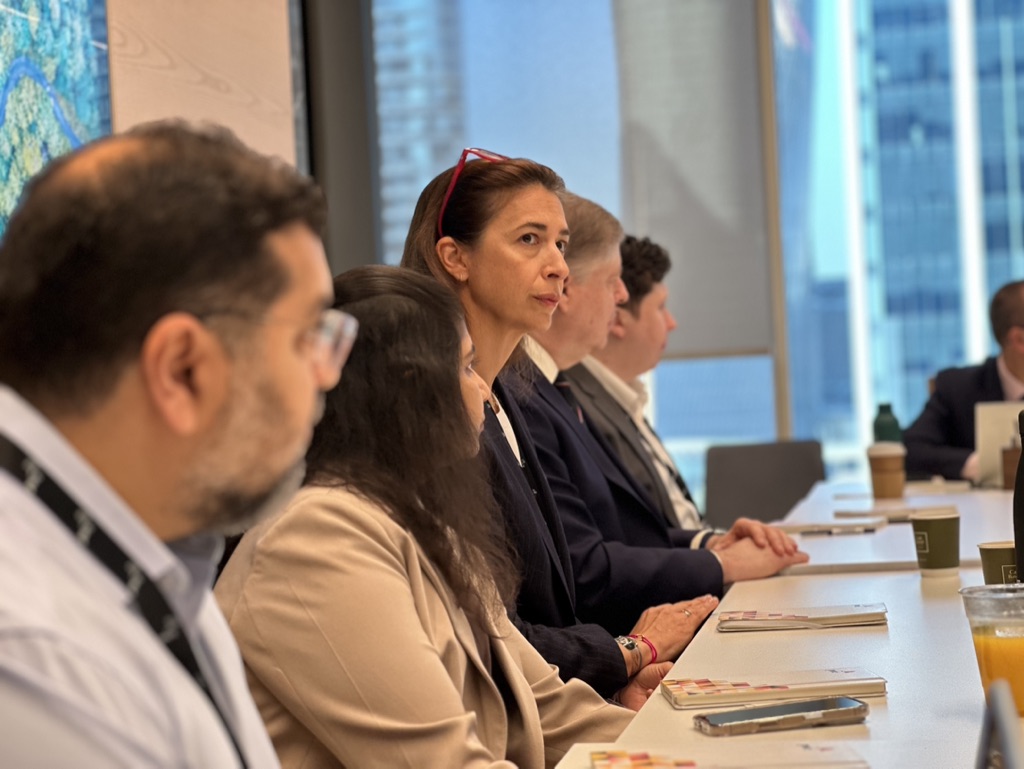
The third ESG Majlis, Dubai took place at the PwC Middle East office in Dubai on Thursday 5th December 2024 with the discussion delving into the challenges and opportunities associated with nature finance, emphasising the necessity for collaborative efforts to integrate nature conservation into economic systems.
The Majlis was attended by senior representatives from the Accuracy, Emirates NBD, Global Capacity Building Coalition (GCBC), Goumbook, HSBC, ING, National Bank of Fujairah, Scottish Government, UK Government, and Zurich Insurance
Key discussion points that were covered during the interactive and dynamic session have been summarised below.
Building Economic Resilience
The discussion kicked off with a presentation on the Financial Imperatives of Nature and Land Conservation in the Middle East, a report published by GEFI in partnership with PwC Middle East.
It opened with an overview of the global progress in nature finance, highlighting outcomes from international conferences like COP16. Participants noted the strides made in setting biodiversity targets and establishing financial agreements to support conservation efforts, before examining the Middle East’s unique environmental challenges:
- Biodiversity Loss: Over 2,400 species in the MENA region are threatened.
- Coral Reef Degradation: The UAE has lost 20,000 square kilometers of coral reefs.
- Water Scarcity: The region includes 12 of the world’s 17 most water-stressed countries.
- Population Growth: Rapid urbanisation and unsustainable practices are exacerbating ecosystem stress.
The presentation emphasised the urgency of addressing nature loss and the potential solutions involving finance and innovation in the region, highlighting the need to address the:
- Cost-Effectiveness of Prevention: Emphasising that preventing environmental degradation is cheaper than fixing issues after they occur
- Alarming Global Statistics on Nature Decline: Noting that over 50% of global GDP depends on nature, 85% of freshwater species have declined, and 40% of land is degraded, underscoring the urgency to act
- Regional Environmental Threats: Highlighting specific challenges in the Middle East, such as hyper-aridity, unsustainable land practices, and rapid population growth, with over 2,400 species facing threats
- Global Funding Gap for Biodiversity: Addressing the $700 billion annual funding gap for biodiversity, requiring an increase in biodiversity funding to $200 billion per year by 2030
The Financial Sector’s Role in Nature Conservation
The discourse underscored the crucial role of the financial sector in promoting nature conservation. It was noted that nature-related risks could significantly reduce company valuations, yet innovative projects like mangrove restoration demonstrate investment potential. Opportunities exist in green and blue bonds, debt-for-nature swaps, and Islamic finance models, offering new avenues for funding conservation efforts.
Technological advancements were highlighted, including leveraging technology such as 3D printing for coral reefs and drones for wildlife monitoring to enhance conservation initiatives. Despite these opportunities, participants acknowledged several barriers hindering progress. The lack of clear commercial returns on nature investments makes it challenging to secure funding within traditional financial frameworks. Measuring and quantifying nature-related risks and impacts is complex, hindering informed decision-making. Additionally, the absence of harmonised regulatory frameworks complicates implementation across the region, and the focus on immediate returns often conflicts with the long-term horizons required for nature investments.
Case Studies and Initiatives
The session also featured discussions on successful initiatives that demonstrate the potential of nature finance. Experts heavily involved within the climate change and nature conservation space shared insights into ongoing initiatives:
- Ecosystem Valuation: Efforts to quantify the economic value of ecosystems to make a compelling business case for conservation
- Ecotourism Development: Projects aimed at making protected areas financially viable through sustainable tourism that benefits local communities
- Sustainable Farming Practices: Initiatives supporting farmers in adopting resilient agricultural methods suitable for arid conditions
- Blue Carbon Ecosystems: Research and restoration projects focused on coastal ecosystems that sequester carbon, contributing to climate mitigation
The need for blended finance and collaborative approaches emerged as a key topic, as those involved with backgrounds in sustainable engineering called for platforms for private sector investment whilst ensuring projects are based on science and deliver measurable impacts.
Open Discussion and Insights
An engaging and interactive discussion followed, with participants sharing perspectives on various topics. It was mentioned that there was a lack of standardised metrics to assess the impact of nature investments to reflect them in asset valuations, highlighting the importance of measurement and valuation in advancing nature finance.
The concept of blended finance and the necessity for government support were further discussed. Participants stressed the importance of models that combine public and private capital, along with the need for government incentives and supportive policies to make nature investments more attractive.
The regulatory role was a focal point, with calls for harmonisation to drive action and reduce barriers to investment in nature projects. Education and awareness were also underscored as critical factors, emphasising the importance of increasing understanding of local ecosystems, especially among youth and within businesses, to foster a culture that values sustainability.
The role of the insurance sector in risk assessment was recognised, highlighting how insurance companies can influence behaviour by appropriately pricing climate and nature risks, thus encouraging better risk management and investment in nature-positive projects.
Summary
The third ESG Majlis provided a collaborative platform to address the intersection of finance and nature conservation in the Middle East. Key takeaways included:
- Recognising the immediate need to integrate nature considerations into financial decision-making to build resilient economies
- Understanding the obstacles, including commercial viability, data challenges, and regulatory fragmentation
- Identifying innovative financing mechanisms and technological advancements that can support conservation efforts
- Emphasising the role of all stakeholders in driving change, from financial institutions to governments, businesses, and individuals