
Business Case for Nature


Making the Business Case for Nature:
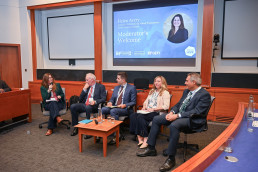
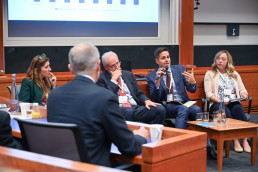
The second SDG Hive session, in partnership with Planet Tracker and WWF, focused on the urgent need for businesses to recognise the financial risks associated with nature-related issues. John Willis, Director of Research at Planet Tracker, opened the discussion by emphasising that nature and biodiversity risks impact all sectors, not just agriculture or manufacturing. Drawing from the World Economic Forum’s global risk survey and UK university research, he highlighted the rising underappreciation of these risks, linking them to sovereign debt, trade, and real assets. Companies that ignore these interdependencies could face significant financial consequences, including increased litigation and regulatory scrutiny.
Integrating Nature into Transition Plans
Vassilis Gkoumas, an Economist at WWF, addressed the importance of transition plans that incorporate nature considerations. He defined “transition” as the process businesses undertake to reduce their environmental impact and improve sustainability. Gkoumas outlined two types of interventions: value chain interventions, which modify supply chains and production methods to foster a circular economy, and beyond value chain interventions, including nature-based solutions like forest conservation.
Using a UK dairy farm’s transition to regenerative practices as a case study, he illustrated that while initial investments in sustainability might reduce revenue, long-term profitability could increase through decreased reliance on costly inputs. Gkoumas stressed the need for governmental direction in defining actionable steps for businesses to align with national nature conservation targets, previewing an upcoming report on sector contributions to these goals.
Case Studies on Animal Welfare and Finance
The session also explored the intersection of animal welfare, nature-related risks, and the finance sector. Jackie Groberski, Manager, Corporate and Financial Institution Engagement from Humane Society International, highlighted the economic impact of animal welfare issues, citing a 12% loss in UK GDP due to livestock diseases, which surpasses COVID-19’s economic toll. Her organisation advocates for improving existing animal welfare standards while reducing the number of animals in production through collaboration with financial institutions.
Key points included the importance of science-based arguments to engage financial institutions on animal welfare, the risks of “humane washing,” and the significant contribution of animal agriculture to climate change. Successful financing examples, such as DBS Bank’s sustainability-linked loan for cage-free production, were discussed, alongside ongoing efforts to integrate animal welfare into sustainability standards.
Investing in Nature
Leon Kamhi, Head of Responsibility and EOS at Federated Hermes, rounded out the session by presenting how his firm engages with nature-focused investments, despite not being a specialist in this area. He outlined five strategies for investing in nature, including blended finance for agricultural solutions and stewardship engagement. However, he also highlighted challenges such as pension fund industry fragmentation, data availability, and the profitability of nature-based solutions.
Leon emphasised the complexities of investing in nature, urging financial institutions to address both the opportunities and risks involved in such investments. The panel reinforced the need for a comprehensive understanding of how financial decision-making can align with nature conservation goals, underscoring the broader implications for economic stability and sustainability.
This session illustrated the critical necessity for integrating nature-related risks and animal welfare considerations into business strategies and financial practices. By recognising these interconnections, companies can better navigate the evolving landscape of sustainability and enhance their resilience against emerging financial risks.

Global Leaders Sustainable Finance Update




Our first SDG Hive session, moderated by Thom Kenrick, Head of Social Strategy and Impact at NatWest Group, opened with a candid exploration of our progress toward achieving the Sustainable Development Goals (SDGs).
Satya S. Tripathi, Secretary General of the Global Alliance for a Sustainable Planet, delivered a stark and sobering message: “We are failing miserably, and it’s a collective failure—not just the UN.” His critique reflected the urgency of the task at hand, but he also offered a path forward, emphasising the importance of “virtuous partnerships.” For Satya, the solution to our global sustainability crisis lies in collaboration across governments, businesses, and civil society, urging the audience to work together to create the transformative changes needed.
Yulia Bull, Head of UK & Ireland Responsible Investment Ecosystems at PRI, added a more optimistic note. She highlighted how capital flows are increasingly being tied to sustainability outcomes, with responsible investment strategies gaining momentum. Bull pointed out that while the 2030 deadline for the SDGs might not be met, the ongoing shift in aligning investment decisions with long-term sustainability goals shows significant progress. She argued that even if we fall short of the 2030 timeline, the journey itself remains vital, and every step forward brings us closer to the goals.
Both speakers drove home a critical message: although time is running out, the need for action remains paramount. As Tripathi put it, “There is no such thing as a sustainable region in an unsustainable world.” Despite the challenges, it’s clear that continued progress towards the SDGs is essential, and collective action is the key.
The session then turned to insights from different regions, each grappling with its own sustainability challenges and opportunities.
North America
Kimberley Player, Strategic Investment Advisor, raised concerns about the political uncertainties in the U.S. and Canada, particularly with upcoming elections that could affect the sustainability agenda. However, she highlighted the positive strides being made at the state level, particularly in California and New York. Events like Climate Week NYC have helped to keep sustainability at the forefront, with local initiatives driving meaningful progress despite federal challenges.
Europe
Julie Malzac, Director at Accuracy, spoke about Europe’s leadership in sustainability, noting that while the continent has been at the forefront of promoting ESG transparency and regulatory frameworks, significant disparities in SDG performance remain across EU countries. Europe’s legislative push for better ESG disclosures is a global example, but Malzac stressed that more needs to be done to bridge the performance gap.
Arnaud Cohen Stuart, Head of Business Ethics at ING, raised an important and often overlooked question: “Who’s going to pay the bill?” His remarks highlighted the growing need for a clear sustainability taxonomy to ensure transparency in how costs are distributed across sectors and stakeholders, making sure that no region or industry is left behind in the green transition.
Middle East
Amal Larhlid (أمال لغليض), Partner at PwC Middle East, offered a perspective on the Middle East’s growing awareness of sustainability. She stressed that businesses in the region are increasingly recognising the importance of integrating sustainability into their core operations, rather than treating it as a mere compliance cost. “Sustainability is a business imperative, not just a compliance cost,” she remarked, adding that cohesive policies and regulations are urgently needed to support this shift. As countries in the region look to diversify their economies, sustainability will be central to their long-term strategies.
South Asia
Arslan Iqbal, Chief Risk Officer at The Bank of Punjab, spoke about Pakistan’s unique vulnerability to climate change. As one of the top 10 most affected countries, Pakistan faces severe challenges related to food security, environmental degradation, and energy shortages. Iqbal emphasised the need for urgent action, particularly in mitigating and adapting to climate risks.
Dato’ Wan Kamaruzaman Wan Ahmad, Chairman of MBSB Bank Berhad in Malaysia, added to the conversation by highlighting Malaysia’s commitment to integrating ESG into Islamic finance. He stressed the importance of stewardship in investment decisions, noting that Islamic finance provides a long-term approach that aligns with both local and global sustainability goals. “As Islamic banks, we seek to serve clients cradle to heaven, beyond the grave,” he said, underlining the moral and ethical dimensions that drive their commitment to sustainable finance.
As the session wrapped up, one thing became clear: while we may not reach the SDGs by 2030, the journey remains critical. The road to sustainability is long, but progress, however incremental, is better than inaction. The key to advancing the SDGs lies in demonstrating the economic value of sustainability. As we have seen from the regional perspectives shared during this session, whether it’s for nations, businesses, or investors, aligning economic interests with sustainability outcomes is crucial for driving change at scale.

What Financial Institutions Need to Know Before UN CBD COP16
Not to be confused with the United Nations Climate Change Conference (COP29) in Azerbaijan later this year, the 16th meeting of the Conference of the Parties to the Convention on Biological Diversity (CBD COP16) starts in Colombia on 21st October. Earlier this year, the host nation and CBD identified three main priorities: translate biodiversity plans into national action [i]; ensure adequate means of implementation; and accelerate access and benefit sharing (ABS) [ii]. The global financial sector is directly involved in two of these. For implementation, finance is crucial to closing the USD 700 billion annual biodiversity financing gap and aligning financial flows with the Global Biodiversity Framework (GBF). And as environmental risks and opportunities become key drivers for financial strategies, financial institutions (FIs) are being called upon to align their activities with global biodiversity goals. On the ABS priority, discussions for an equitable sharing of benefits from genetic resources are progressing, which includes payments to a global fund. This article explores the critical role of financial markets in achieving success at COP16.
The background: what was achieved at COP15?
The COP15 meeting on biodiversity in 2022 marked a significant milestone in establishing global goals for biodiversity protection. With the adoption of the Global Biodiversity Framework, several targets were set, including:
- Protecting 30% of land and sea by
- Reducing harmful pollution, such as from pesticides and
- Aligning financial flows to
- Disclosing impacts and dependencies of companies on
- Cutting US$500 billion in harmful subsidies per year by
- Mobilising at least US$200 billion annually for biodiversity
These goals present both challenges and opportunities for financial institutions. On the one hand, they highlight the increasing risks posed by environmental degradation. On the other hand, they provide investment opportunities.
Financial institutions aligning with biodiversity goals
The urgency to align finance with biodiversity goals is driven by three main factors:
- Environmental risks: Financial institutions face risks from biodiversity loss, including ecosystem collapse and the impact on climate change.
- Regulatory pressure: Governments and regulatory bodies, particularly in the European Union, are demanding greater transparency and accountability in how financial institutions manage biodiversity risks.
- Reputational and litigation risks: Consumers and investors are increasingly aware of biodiversity issues, which may result in reputational damage or litigation for companies failing to address their impact.
The key frameworks and tools available for biodiversity integration
As a first step, financial institutions need to assess their nature-related dependencies, impacts, risks and opportunities. Once this is understood financial institutions will be able to realign financial flows away from nature-negative outcomes and toward nature-positive ones, in turn, becoming aligned with the Global Biodiversity Framework.
There are currently several frameworks already available to financial institutions when assessing their biodiversity exposure. The Taskforce on Nature-related Financial Disclosures (TNFD) was established to provide organisations with the tools to act on evolving nature-related issues. It enables business and finance to assess, report and act on their nature-related dependencies, impacts, risks and opportunities.iii The Natural Capital Protocol developed a framework to help businesses and financial institutions assess and value their dependencies on natural capital, including biodiversity. By quantifying biodiversity risks, institutions can make informed decisions and embed these considerations into their financial strategies.Business for Nature provides a framework for corporates and financial institutions to follow in an assess, commit, transform and disclose (ACT-D) process.iv It also provides sector pathways.v
Other plans and frameworks are provided by organisations such as Science Based Targets Network (SBTN),vi which offers target-setting guidance, and the World Business Council for Sustainable Development (WBCSD)vii which has roadmaps to become nature-positive. For a fuller list of organisations providing nature and biodiversity frameworks, we strongly recommend the Finance for Biodiversity Foundation which, among others, published a paper on “Finance and Biodiversity Overview of Initiatives for Financial Institutions”.viii
While the above are non-mandatory, there are emerging regulatory requirements, such as the EU Sustainable Finance Disclosure Regulation (SFDR).ix This European regulatory framework mandates financial institutions to disclose how sustainability risks, including biodiversity risks, are integrated into their investment decisions. Along with the SFDR, the EU Taxonomy for Sustainable Activities provides a definition of sustainable economic activities, helping institutions align their portfolios with biodiversity goals. Financial institutions should anticipate rising regulation for biodiversity disclosure worldwide, if governments implement Target 15 of the GBF.x The “Make it Mandatory” campaign which gained momentum at COP15, advocated for nature-related financial disclosures to become compulsory.xi By supporting this campaign, financial institutions aim to reduce biodiversity-related risks and improve transparency, helping to address potential data gaps and prevent greenwashing.
Although there is a common refrain that there is a lack of frameworks or shortage of tools with which to measure nature and biodiversity, Planet Tracker disputes this. We accept that there is not a single common measure for nature (e.g. a 1.5°C global warming) and universal ‘currency’ (e.g. CO2e ppm), but there is considerable choice, allowing for specialisation. For example, the TNFD presently hosts 189 nature-related tools in their online tools catalogue. This includes ENCORE, developed by the Natural Capital Finance Alliance, which allows financial institutions to assess how environmental risks, such as biodiversity loss, affect sectors and business activities, to stress-test portfolios, and guide risk management efforts,xii Another is the Integrated Biodiversity Assessment Tool (IBAT), a reporting device that provides integration access to three of the world’s most authoritative global biodiversity datasets.xiii
COP16 provides an opportunity for organisations to showcase the variety of biodiversity tools and frameworks, and for financial institutions to learn more about them.
The rise of biodiversity-friendly financial products
We are witnessing the capital market continuing to develop a range of financial instruments that focus on nature and biodiversity issues. These include:
- Green Bonds and a subset of Biodiversity Bonds – debt instruments issued to raise funds for environmental and biodiversity projects
- Sustainability-linked Bonds (SLBs) – performance-based bonds where the terms (e.g., interest rates) are linked to achieving sustainability targets
- Conservation Trust Funds (CTFs) – long-term financial mechanisms that pool funds for biodiversity conservation
- Nature-based Solutions (NBS) – investments in projects that leverage natural processes to address environmental challenges while enhancing biodiversity
- Payment for Ecosystem Services (PES) – payments to landowners or local communities in exchange for managing land which provide ecological services
- Conservation Impact Investing – investments in companies or projects that generate both financial returns and environmental benefits
- Carbon Credits with Biodiversity Benefits – programmes that include biodiversity co-benefits generate revenue by selling carbon offsets from projects that also enhance biodiversity
- Biodiversity Credits – measurable units of biodiversity that can be bought by companies to measure milestones towards becoming nature positive
- Biodiversity Offsets – compensating for biodiversity loss from development projects by investing in conservation projects elsewhere
- Corporate Loans with biodiversity KPIs – loans with lower interest rates or other favourable terms to companies that commit to biodiversity-friendly practices
- Debt-for-Nature Swaps – where a portion of a country’s foreign debt is forgiven in exchange for commitments to invest in biodiversity conservation
With a particular emphasis on financing nature-related and biodiversity issues at COP16, we expect further details, and possibly new financial opportunities, to emerge. The COP16 Finance Day will be on 28 October. A Business and Biodiversity Forum will be held the day before.
COP 16 expectations
As COP16 nears, the expectations for financial institutions to step up their efforts are higher than ever. The need for established frameworks, clear direction from governments, and the mobilisation of private finance are central to the discussions. COP16 presents an opportunity to refine the role of financial institutions in the global biodiversity agenda, ensuring that private finance is not only aligned with but actively driving the conservation efforts needed to address the biodiversity crisis.
Governments are expected to submit their updated National Biodiversity Strategies and Action Plans (NBSAPs). As of the date of publication, only 25 countries (including the EU) have published their national plans compared to the 196 countries that signed the Global Biodiversity Framework.xiv Such documents reveal the direction of policy action in mainstreaming biodiversity within and across sectors. Furthermore, parties are expected to agree on a monitoring framework which tracks progress in achieving the GBF targets including the reduction and repurposing of environmentally harmful subsidies. Finally, a significant effort to mobilise resources – the financing gap is $700 billion by 2030 of which $500 billion is from subsidies and $200 billion of new funding – and develop the appropriate financial mechanisms, is needed. Policymakers are focused on pathways for leveraging the private sector, so conversations on blended finance mechanisms, biodiversity credits and biodiversity-friendly financial products are widely expected.
This guest blog was written for the GEFI Insights Series by Arianna Manili, Planet Tracker.
i The Convention on Biological Diversity refer to these plans as National Biodiversity Strategies and Action Plans (NBSAPs). Submitted NBSAPs may be found here.
ii Convention on Biological Diversity – On the road to COP 16 in Cali: three priority areas for action (20 February 2024)
iii The Taskforce on Nature-related Financial Disclosures (TNFD) website
iv Business for Nature – High-level Business Actions on Nature
v Business for Nature – Sector Actions Towards a Nature-Positive Future
vi Science Based Targets Network website
vii World Business Council for Sustainable Development, Nature Action
viii Finance for Biodiversity Initiative, Finance and Biodiversity Overview of initiatives for financial institutions
ix REGULATION (EU) 2019/2088 on Sustainability-related disclosure in the financial services sector.
x CBD, Global Biodiversity Framework Target 15
xi Business for Nature, Make it Mandatory campaign, 2022.
xii ENCORE – Exploring Natural Capital Opportunities, Risks and Exposure
xiii IBAT – Integrated Biodiversity Assessment Tool website
xiv CBD, NBSAPs Latest Submissions – (accessed 4 October 2024)
Climate Solutions for Net Zero

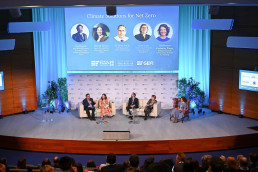
Kimberley Player, a US-based strategic investment advisor, opened the final panel of the Summit by highlighting the opportunity presented by the transition to a sustainable economy.
Anne Scott, Global Climate Solutions Lead, Aegon Asset Management discussed kicked off by outlining Aegon Asset Management’s approach to responsible investing, which involves incorporating ESG factors, setting carbon reduction targets, and developing climate transition solutions. She emphasised the importance of identifying companies with credible net zero transition strategies and engaging with laggards to drive change.
Dr. James Wilde, Chief Sustainability Officer, Phoenix Group provided examples of the opportunities and challenges facing the insurance sector in addressing climate change. He outlined Phoenix Group’s net zero transition plan, which includes tilting investment portfolios, engaging with companies, and collaborating with stakeholders. Dr Wilde also discussed the need for policy frameworks and public-private partnerships to unlock finance for climate solutions.
Hannah Simons, Head of Sustainability, Lloyds Bank Corporate Markets then highlighted the importance of supporting clients on their decarbonisation journeys and the need to accelerate investment in climate solutions. She conveyed the importance of assessing transition plans, understanding emerging technologies, and combining public and private financing for innovative projects.
Ugo Biggeri, Regional Representative for Europe, Global Alliance for Banking on Values shared the perspective of smaller, value-oriented banks with deep local roots. He highlighted the challenges of measuring carbon footprints for small and medium enterprises and the need for policy frameworks that incentivize sustainable practices and disincentivize unsustainable activities.
The panel, and Summit, concluded with an engaging discussion on the tension between the public and private sectors in addressing climate change. The need for clear policy signals, national transition plans, sector-specific roadmaps, and public-private collaboration were identified as key requirements to unlocking finance at scale. The panelists were also in agreement as to the importance of global cooperation and consistent standards across regions.
Mobilising Finance for Nature
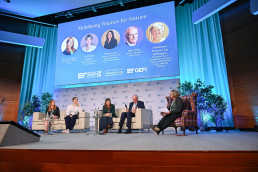

Professor Jan Bebbington, The Rubin Chair in Sustainability in Business at Lancaster University moderated a lively panel discussion on mobilising finance for nature. The session highlighted the importance of integrating nature-related risks and opportunities into financial institutions strategies and decision-making processes
John Willis Director of Research, Planet Tracker explored how financial institutions must identify the corporates that are able to assess and disclose their impact and dependencies on natural ecosystems. He shed light on the inadequate resources deployed by corporates in assessing nature and biodiversity risks.
Helen Avery Director of GFI Hive and Nature Programmes, Green Finance Institute added that many corporations view nature-related reporting as voluntary and struggle to see the business case. She shared the findings from the recently produced report by The Green Finance Institute assessing the materiality of nature-related financial risks for the UK. “Domestic nature degradation could lead to a 3% decline in GDP by 2030, and a further 3% decline if a shock event like drought or wildfire occurs. International nature degradation and an antimicrobial resistance pandemic could result in a 6% and 12% GDP decline, respectively,” Helen noted.
Dr. Theresa Bodner, PhD Head of Nature-Based Solutions, MSCI Inc. highlighted the improving availability of data on nature and biodiversity, citing over 150 data points but cautioned on the on-going challenges of data quality, coverage, and standardisation. Financial institutions need to collaborate and agree on a set of well-defined, comparable metrics that capture the full range of nature-related risks, impacts, and opportunities was a key message from Dr Bodner. Additionally, she mentioned the need for more localised and sector-specific data to support decision-making at the corporate level.
Rhona Turnbull Head of Nature, NatWest Group Group added that there is no net zero without nature and the financial system is embedded within and dependent upon nature. Whilst the term ‘nature positive’ is analogous to net zero in the context of climate change, Rhona explained that there is no agreed-upon definition or metric for measuring it.
The panelists acknowledged the complexity of defining and measuring ‘nature positive’ due to the trade-offs and interdependencies involved.
The session concluded with a discussion around the need to integrate nature considerations into corporate decision-making processes. Financial institutions should be mindful of the potential legal and reputational risks associated with projects that may impact these communities and ensure that benefits and compensation are distributed equitably.
UK Transition: Energy Sector Perspectives


Dame Susan Rice, Chair of the Global Ethical Finance Initiative (GEFI), chaired a discussion that examined the UK’s progress toward achieving net zero emissions by 2050. The conversation explored both the obstacles and strategies essential for meeting this critical target.
David Whitehouse, Chief Executive of Offshore Energies UK, opened the discussion with a sobering assessment of the UK’s current trajectory. “The UK is not on target to meet its goals,” he stated, pointing out that 75% of the UK’s energy still comes from oil and gas, the same proportion as two decades ago. This underscored the substantial work needed to transition the energy mix.
Keith Anderson, CEO of ScottishPower, highlighted the pivotal role of the energy sector in driving the UK’s transition. ScottishPower, which has fully transitioned from being a 95% coal generator to a 100% renewable energy generator, is leading by example, having closed all coal operations in Scotland. “This journey is one way and one way only, and we need to keep going down that route,” Anderson asserted.
ScottishPower is currently investing £2 to £3 billion annually in renewable generation, grid modernisation, hydrogen technology, and heat conversion, while facilitating customer adoption of solar panels, heat pumps, and electric vehicles. Anderson stressed that such investments are key to scaling the UK’s renewable energy capacity.
Energy Security and Public Subsidies
Dame Susan addressed the topic of energy security, noting the challenge of balancing the transition to renewables with maintaining a stable energy supply. While renewables offer greater certainty over power sources and pricing, the panelists acknowledged the potential need for a strategic gas reserve to provide security in critical situations.
Public subsidies emerged as a potential solution to support early-stage technologies and new markets that may not yet be commercially viable. The panel emphasised that while subsidies can help drive initial growth, there must be a clear pathway toward self-sustainability and the eventual phasing out of government support.
Supply Chain Ethics and Social Responsibility
Both Whitehouse and Anderson underscored the importance of ethical supply chains and social responsibility in the energy transition. Companies must evaluate their supply chains to ensure human rights and ethical sourcing, especially as demand for raw materials increases. They also highlighted the critical need to develop skills and create jobs within local communities, ensuring that the energy transition brings tangible benefits at the grassroots level.
A Roadmap for Net Zero
The panel agreed that a detailed roadmap and industrial strategy are essential for effectively decarbonising the UK’s energy system. Specific targets, such as achieving clean power by 2030, must be clearly outlined. Furthermore, collaboration between governments, industry, and communities is crucial to meeting the net zero emissions target by 2050.
The discussion made clear that while progress is being made, the path to net zero will require coordinated effort, significant investment, and a sustained commitment to both environmental and social responsibility.
Young Banker of the Year Presentation
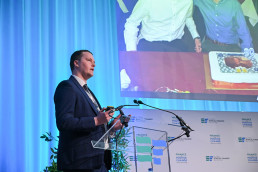
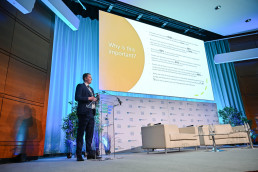
Craig Herd, a proposition analyst at Royal London, presented his proposal for the Young Banker of the Year competition. He shared his personal experience of supporting his grandfather who had dementia, highlighting the challenges faced in dealing with banks and the lack of adequate support for customers with dementia. “Currently in the UK there’s 950 ,000 people living with dementia that’s set to increase to 1 .6 million by 2050. 80% of carers think that banks they’ve been more supportive in helping customers with dementia and only one in five banks has a specific policy to support customers with dementia which just isn’t sufficient” Craig noted.
He proposed the concept of Dementia Safe, a holistic package of support features designed to assist customers with dementia in managing their finances. The features are divided into two levels: Level 1 includes existing features like visibility and awareness, as well as new features like IVR bypass, dedicated call agents trained by Dementia UK, and AI-enhanced financial crime monitoring. Level 2 introduces the ‘Champions’ concept, where a nominated friend or family member can support the customer with finances using a linked card, app, and two-factor authentication for large transactions. The benefits of Dementia Safe include a world-class customer journey, scalability for other conditions, improved industry reputation, and alignment with responsible banking principles. Craig emphasized the importance of providing better support for customers with dementia and maintaining their financial independence for as long as possible.
Financing the Just Transition


We were pleased to welcome a diverse panel of experts to discuss the role of finance in achieving climate goals and facilitating a fair transition, guided by Kate Brett, Global Intellectual Capital Leader for Sustainable Investment at Mercer.
Arnaud Cohen Stuart, Head of Business Ethics at ING, opened the discussion by addressing the complexities of defining the right transition pathway. He highlighted the need for science-based insights to help financial institutions map lending portfolios and establish sector-specific strategies. Stuart also stressed the importance of maintaining an open dialogue within banks to balance ambitious climate goals with energy security and affordability concerns.
Rafe Haneef, Group CEO of MBSB Bank Berhad, took a reflective stance, noting that while the past decade has been focused on diagnosing climate issues, progress has been slow. “We’ve spent 80 to 90 percent of our time understanding the problem, rather than solving it,” he stated, referring to this as “progressive procrastination.” Haneef called for increased investment from the Global North to ensure a just transition, particularly in Southeast Asia, where emissions and GDP per capita differ significantly from those of developed nations.
Lauran Halpin, Head of Impact Equities at Martin Currie, highlighted the need to incorporate sustainability into investment processes. She emphasised the importance of creating measurable, intentional impact through active engagement with companies. Halpin underscored how impact investing can not only drive large-scale change but also generate returns for clients, making it a critical part of the investment case for climate action.
Arslan Iqbal, Chief Risk Officer at The Bank of Punjab, shared insights into Pakistan’s green financing efforts, including the launch of the country’s first social impact bond, subsidised financing for solar energy, and regulatory frameworks to support environmental and social risk management. Iqbal’s examples demonstrated how emerging markets can contribute to the global transition through targeted financial initiatives.
Throughout the discussion, the panel touched on the barriers financial institutions face in the transition, including legal hurdles, risk perceptions, and the pricing of sustainable products. They agreed that collaboration and open dialogue across industries are key to overcoming these challenges. The panel also stressed the importance of remaining vocal in the public narrative, ensuring that finance continues to play a central role in driving progress and experimentation in addressing climate change.
The discussion underscored the urgency of action and the need for finance to be at the forefront of the climate transition, providing both leadership and capital to support a fair and sustainable future.
Global Climate Transition Scorecard Keynote
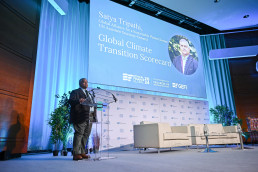
Satya S. Tripathi, Secretary-General of the Global Alliance for a Sustainable Planet and former UN Assistant Secretary General, kicked off the second half of the day with an inspiring keynote.
He offered a compelling critique of our individual responsibility and collective inaction on environmental issues highlighting the disconnect between discussion and meaningful change.
“There’s no dearth of desire to seek change. The only problem is we don’t want to be the change we want to see in others. Until and unless we want that, nothing is going to change,” Satya affirmed.
Satya then illustrated the challenges we face, including the unsustainable use of resources and the dangers posed by emerging technologies such as AI. A call was made for climate conversations and events to evolve from niche to mainstream with a focus on solutions instead of restating known problems.
Satya closed his keynote by quoting Alvin Toffler, the famous American futurist: “it is time for all of us to it will be those who cannot learn, unlearn and relearn. unlearn and relearn what is important for our own survival,” Satya concluded.
Confessions of an ESG Practitioner


Delegates were left with much to contemplate following an excellent presentation by Amanda Young, former Chief Sustainability Officer, abrdn.
Amanda shared her sustainable finance journey shedding light on the early days of sustainable investing, where she faced skepticism and the challenge of aligning finance with her environmental values. Initially, her role involved ethical policy development where she learned the importance of corporate engagement and fundamental research.
As the sustainable finance sector evolved, she observed a shift towards profit-driven motives over ethical considerations. The emergence of ESG as a buzzword raised concerns about a potential bubble, with inexperienced individuals entering the space, leading to confusion and the diluting of standards.
In recent years, regulatory pressures added to the challenges faced by sustainability teams, who often feel overwhelmed by compliance requirements. Despite these obstacles, Amanda expressed optimism for the future, emphasising the need to return to core principles and encourage long-term thinking in finance. “We need to call on investors, on companies and politicians to be brave, just like we were in the early days. To be agents of change, buck the trend and think long term. We can make progress and we are, but how we do this and the pace we set will be determined by those brave enough to take the big steps,” Amanda asserted.
She concluded by urging the next generation to embrace the mission of sustainable investment, fostering integrity and corporate responsibility to address global challenges.