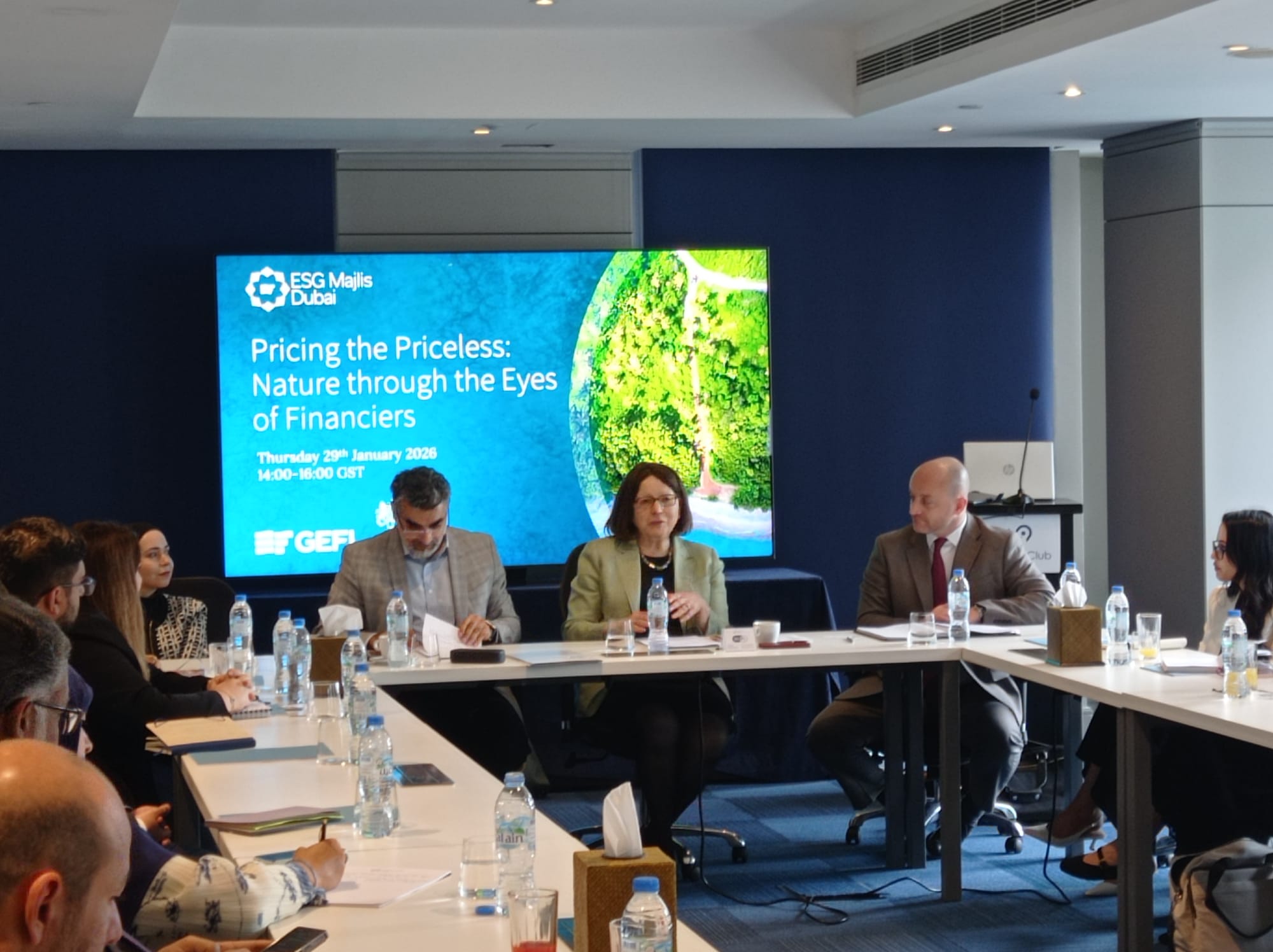
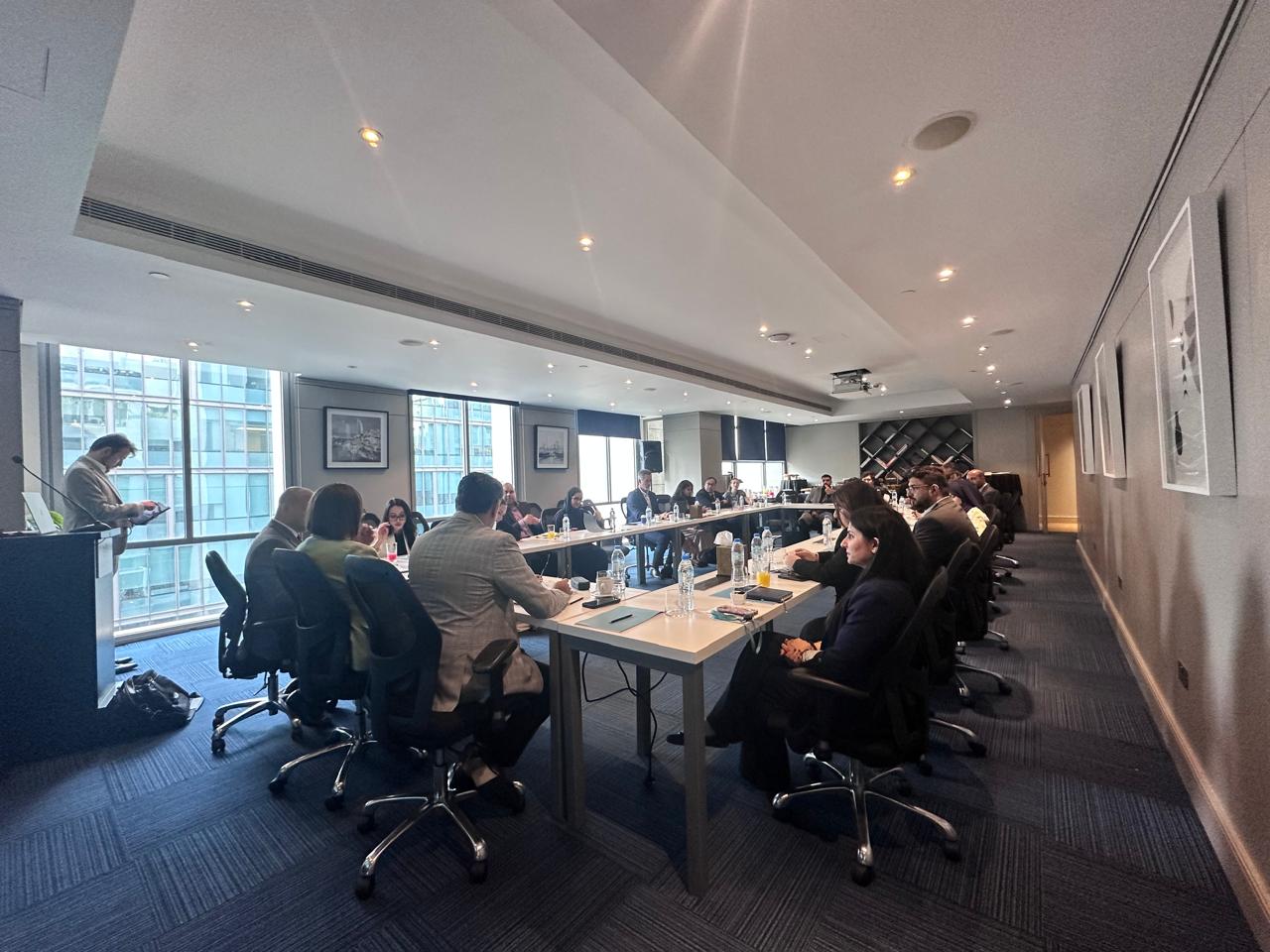
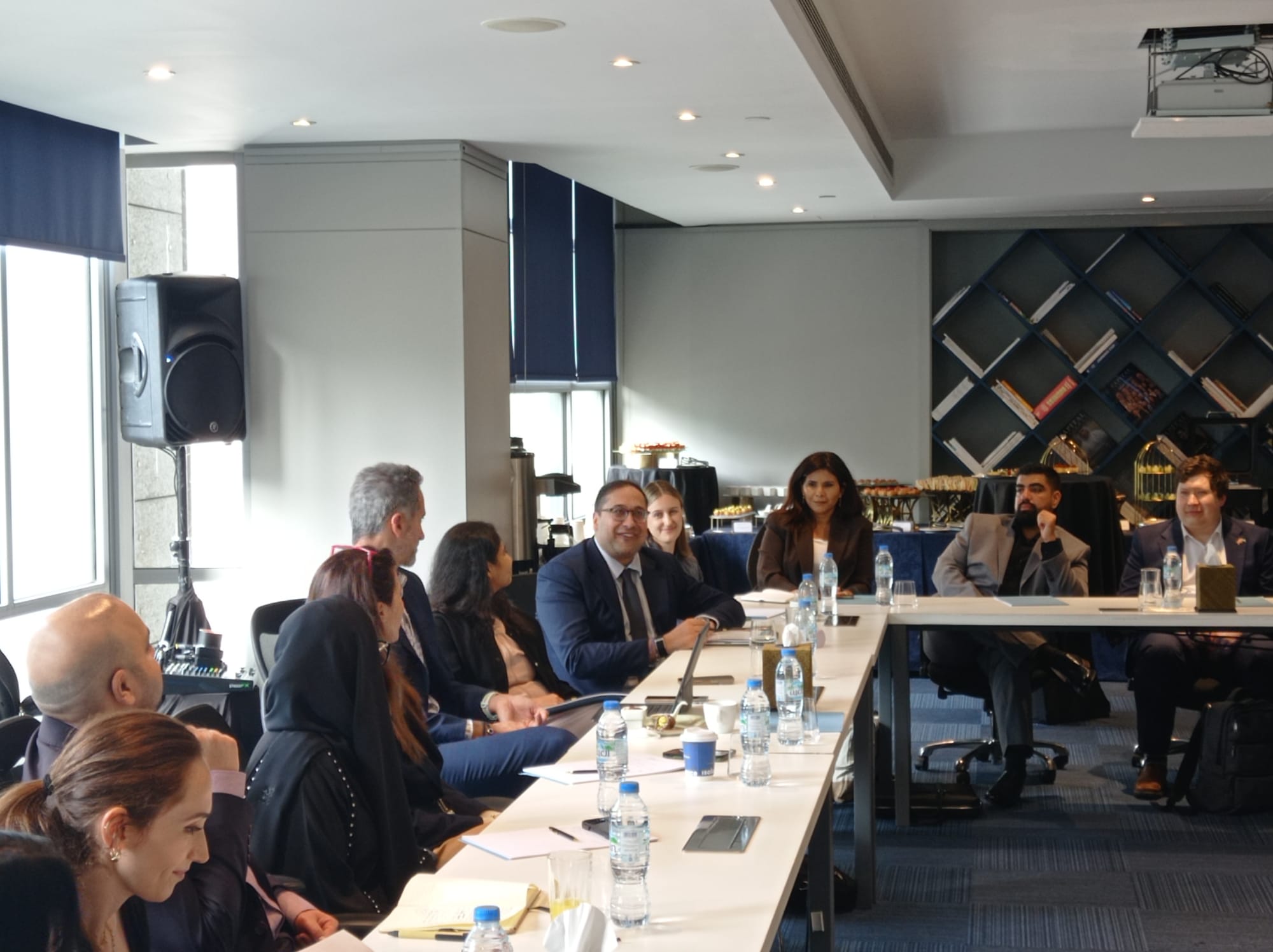
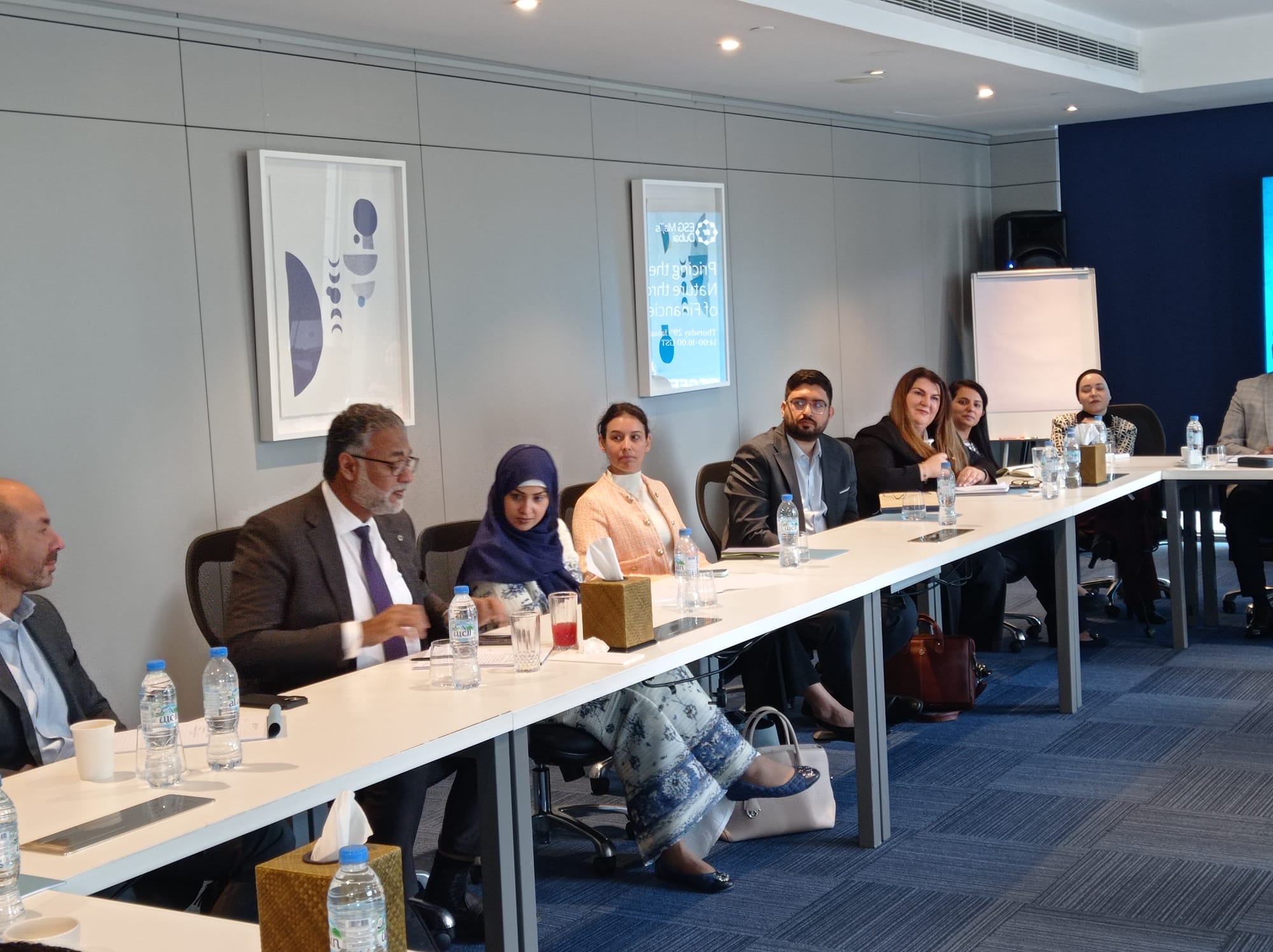
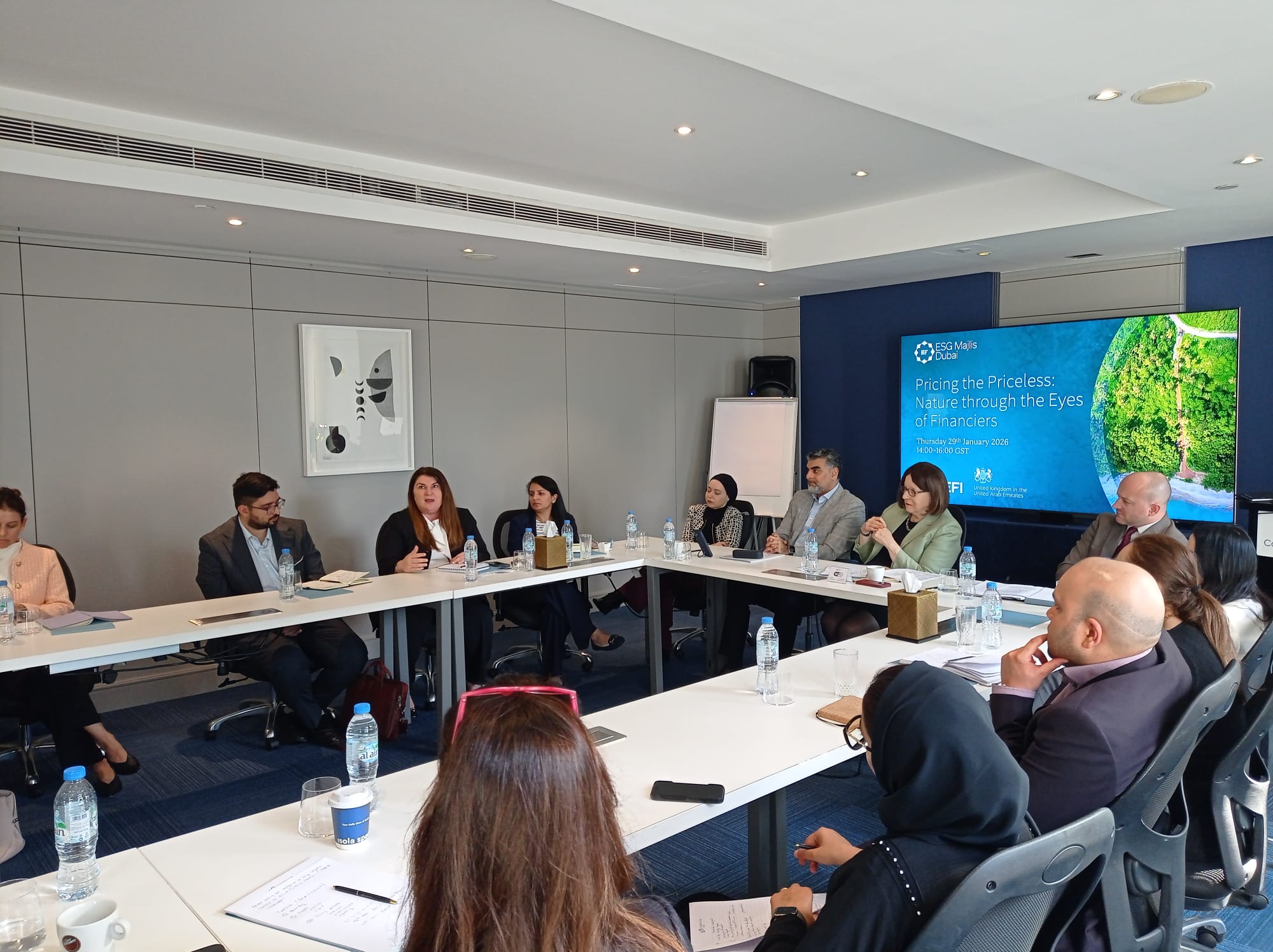
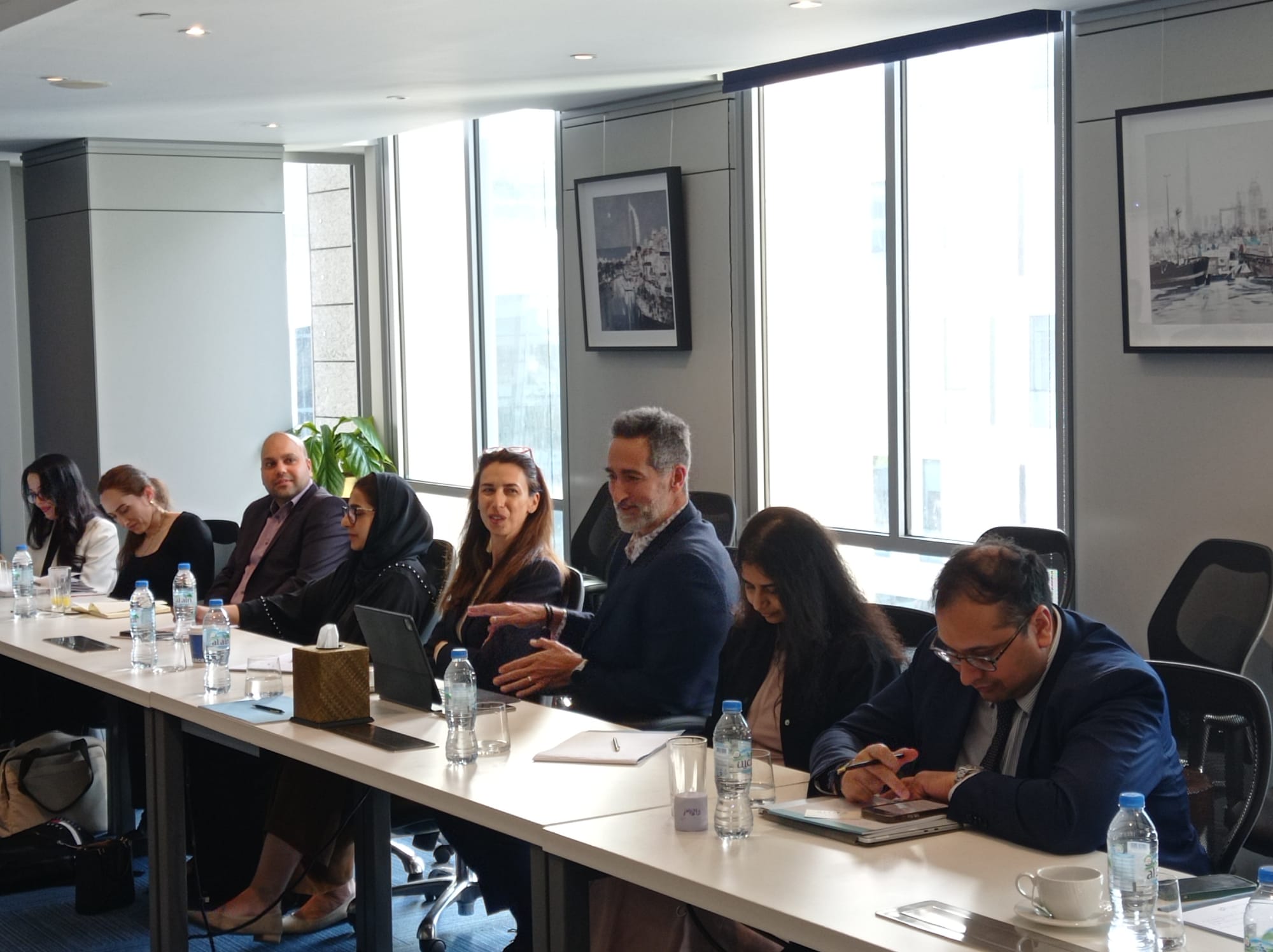
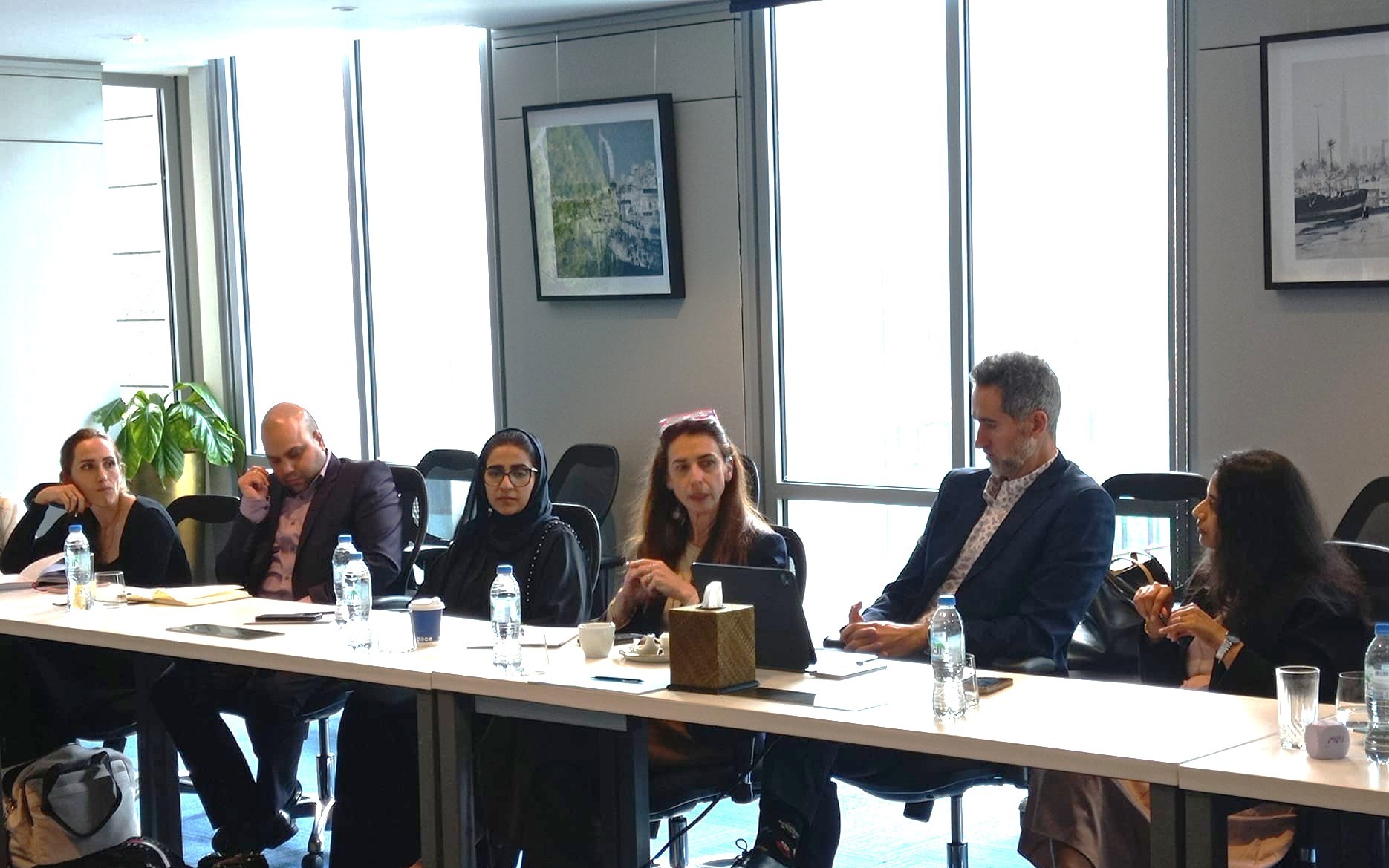
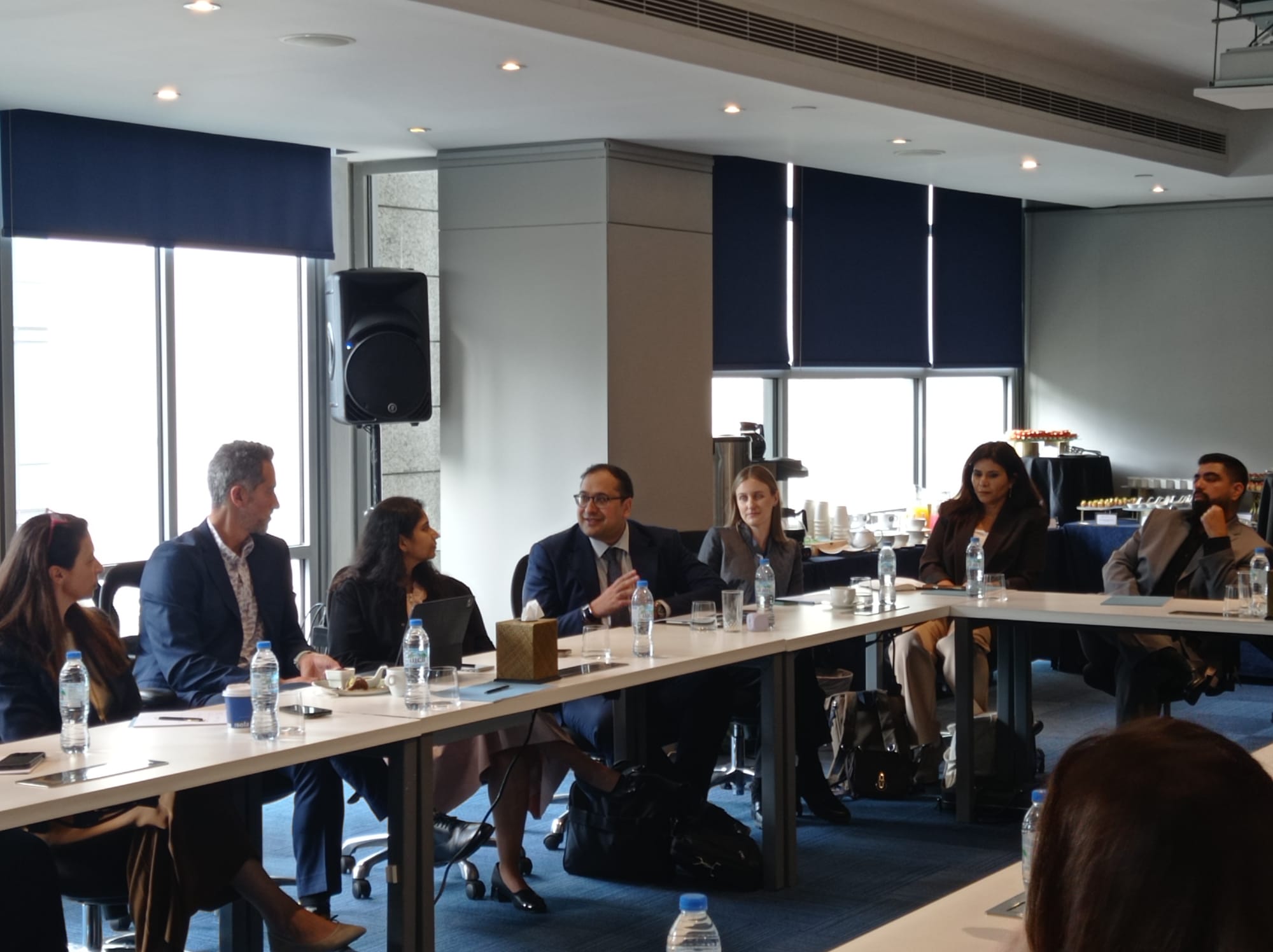
Part of GEFI's Nature to Capital Markets in the GCC Programme supported by the British Embassy in the UAE, the session heard expert insights from Dame Susan Rice, Chair of GEFI, and featured an exclusive preview of GEFI's Nature Blue-Green Bond and Sukuk toolkit to be released in March 2026.
The Majlis was attended by senior representatives from British Embassy in the UAE, Emirates NBD, HSBC, Standard Chartered, Emirates WWF, Goumbook, Dubai Islamic Bank, Commercial Bank of Dubai and Aegon Asset Management.
The conversation comes at a pivotal moment with the upcoming COP17 in Armenia and the UN Water Conference taking place in Dubai, 2026 is positioned as a defining year for nature and biodiversity. Regulatory momentum is building in the UAE with the Federal Decree-Law No. 11 of 2024, which mandates the systematic measurement, standardisation, and disclosure of climate-related data. This legislation offers a foundation that can be extended to encompass nature-related risks, impacts, and opportunities.
Key discussion points that were covered during the interactive and dynamic session have been summarised below.
Framing Nature and Biodiversity
The nature finance gap is currently estimated at USD 700 billion per year through 2030. The Global Biodiversity Framework (GBF) has reinforced the urgency of action, with Target 15 calling for mandatory disclosure of nature-related risks and dependencies, and Target 19 aiming to mobilise USD 200 billion annually in biodiversity finance. The centrality of nature to climate goals was reaffirmed at COP30 in Belém, prompting multilateral development banks to revise their tracking methodologies and to develop a Nature Finance Taxonomy.
The GCC region faces distinct ecological and financial vulnerabilities. These include freshwater scarcity, energy-intensive desalination, a reliance on imported food systems, and the concentration of critical infrastructure along increasingly fragile coastlines. Ecosystem degradation compounds these risks, placing nature-based solutions at the heart of any credible long-term financial strategy in the region.
Distinction Within Interdependence: The Nature–Climate Nexus
A central theme throughout the dialogue was the dynamic relationship between nature and climate. Nature was repeatedly characterised not as a static background condition, but as an active system capable of accelerating or undermining climate outcomes. While many institutions are still adapting to climate-related disclosures and carbon accounting, biodiversity is emerging as the next, more complex frontier. Participants agreed that biodiversity cannot simply be appended to existing climate frameworks without significant adaptation.
Nature Through the Eyes of Financiers
This Majlis aims to explore how nature is perceived through the lens of finance and to bridge the disconnect between scientific, financial, and civil society communities—sectors that often operate with divergent languages, priorities, and frameworks. The lack of a shared conceptual foundation and common terminology continues to impede effective collaboration, resulting in missed opportunities both to safeguard biodiversity and to realise the economic potential of nature-positive investments. One of the most striking manifestations of this gap is the persistent undervaluation of preservation. While restoration initiatives tend to receive greater financial attention due to their more tangible and marketable outcomes, preservation remains marginalised within prevailing financial models, despite its critical importance to long-term ecological and economic stability.
Pricing the Priceless: Nature or Interventions
A core theme emerging from the roundtable was the need to rethink how nature is positioned within financiais systems. Rather than attempting to monetise ecosystems themselves, the emphasis must shift to pricing interventions such as restoration, resilience-building, and risk mitigation—that deliver measurable outcomes. Framing interventions as investable solutions allows for the creation of structured financial products without commodifying nature.
Scaling Private Capital
Scaling private capital into nature-positive investments remains a pressing challenge. The debate is no longer about whether private finance should be involved, but how to enable credible, large-scale participation. Success in this area depends on aligning investor expectations with ecological realities, developing outcome-based models with clear performance indicators, and building trusted data frameworks. Blended finance was identified as essential to this equation. Concessional and philanthropic capital must play a catalytic role, absorbing early-stage risk and enabling commercial capital to scale. Islamic finance, grounded in ethical stewardship principles, was highlighted as a credible alternative for mobilising capital in regions such as the GCC and the wider Global South.
Nature Finance Systemic Gaps
Several systemic gaps were acknowledged. Education remains a foundational barrier, with nature finance still underrepresented in academic curricula. Data fragmentation, inconsistent terminology, and a lack of transparency continue to undermine investor confidence and restrict market formation. Additionally, exclusionary ESG policies, though rooted in risk aversion, can sometimes obstruct engagement with projects that have real transformative potential.
Inclusive Dialogue, Investable Nature
The Majlis concluded with a shared recognition that unlocking nature-positive investment at scale requires not only technical innovation, but also institutional alignment, regulatory support, and a shift in financial culture. Participants reaffirmed the need for platforms that enable ongoing dialogue, practical collaboration, and knowledge exchange across sectors.
Pricing the Priceless series will continue on the 18th of February in a dedicated private webinar that will delve further into the design of investable nature projects. Click here to register.