
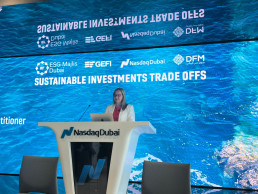
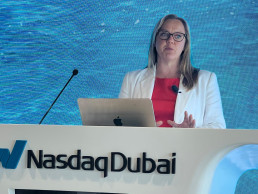
Despite the title of this, if you are expecting some scandalous confession, I am likely to disappoint. But what this covers is my personal experience of the past 25 years in sustainable, ethical and responsible finance and my views to whether the sector is broken or still has a future.
So we start 27 years ago, a very young and naïve graduate, making my way to the city to “seek my fortune”. I was fascinated that this one small square mile of London, was responsible for the UK’s economic prosperity and growth. Finance intrigued and excited me.
But what about my values? These have always been part of who I am, someone who loves nature and cares about the environment. I recycled at university before recycling was a thing (people thought I was weird!). I cared about the origins of my food and animal welfare embarrassing my mother by asking every restaurant whether their pork was free range or not. Yet, here I was excited about what many viewed as the den of inequity.
But I was fortunate to have my eureka moment. I went to work for a fund manager which ran the ethical investment advisory group for the church of England. A job that absolutely aligned values with finance – something I had no idea was even possible.
Leaving the banking trading floor for that first job in sustainable finance was a bit of a baptism of fire. We introduced voting, in response to the Cadbury Code, engagement frameworks and well thought-out ethical investment policies. All based on fundamental research and hands on relationship building with the companies in which the Church invested. Standards were essential to align investment funds with the Church’s beliefs within the need to balance the financial returns. That tension was a healthy one, albeit at times very strained.
It was at this time sustainable investment started taking off. But even then, you felt you were sitting in a dusty cupboard, asking permission to come out, needing to be brave to speak about environmental issues with investment teams. Often you were made to feel like you were just a little bit crazy, a radical or “god-forbid” an actual tree hugger.
We had to convince our finance colleagues of the merits of what we were doing – even in the church fund managers in those days were wary of sustainability and just wanted a list of exclusions. We took time to understand the very complex issues we faced, and engaged with a wide variety of stakeholders outside of corporates to build our credibility. We also had numerous battles with companies we were invested in.
This experience taught me early on in my career that sustainability issues and ethics were complicated, that decisions had to be based on fundamental research and integrity and that corporate engagement could make a positive difference. And to do this we had to be brave.
Now, there were not many of us in the industry in the early days. We had to band together like a small army, with one mission and that was to improve, company governance and sustainability practices within the firms we were investing in. We all ultimately believed that this would improve long-term shareholder returns, as well as improve the lives of the stakeholders these corporates interacted with. There was no sense of competition, we weren’t being driven by bringing in flows. Principles and standards were the number one focus of this small but growing group of pioneers. It was this collaboration that led us to realise we were more powerful together. It was then that collective engagement really started taking off.
It was a fun time, it was exciting and new and together we felt braver. We were changing the way companies thought about sustainability issues. Companies were starting to recognise the value in strong business-focused sustainability practices. Competitive advantage, insuring them against scandals, protecting their reputation, building customer loyalty to name just a few.
But as the industry grew, the aims of investors started to differ.
And at the same time, the growing interest in impact investment was taking place. A real understanding that you could allocate capital in a way that achieved environmental and social outcomes as well as a financial returns.
Clients grew more interested in positive outcomes and with this the commercial interest in sustainability grew very rapidly.
This was exciting but worrying at the same time. Just before COVID, I hit the headlines. I raised the question whether we were facing an ESG bubble. I had lived through the dot-com bubble, mortgage backed securities and other various bubbles and I was worried we were facing the same with sustainability.
Everyone had appeared to become a sustainability expert. People with little or no experience in ESG were being tasked with setting strategy and running teams.
It was clear to me that what was driving this growth was the recognition that sustainable investment products could be lucrative.
All of a sudden there was a shift to get into sustainable investment to make money rather than to get into sustainable investment because it’s the right thing to do and it will make you money.
The industry was been driving by value instead of values.
There was a rush to relabel mainstream investment products under SFDR. The push from the commercial side was real – yet those who were not well versed in sustainability did not really understand what this actually meant. There was so much confusion and I, like many other sustainability experts, found myself trying to explain to people that you couldn’t make sweeping claims on sustainability. That engagement in itself could not make a fund sustainable. That there were still hard lines around some activities, such as tobacco, gambling, offensive weapons and coal.
The sector was facing an identity crisis. Once a bastion of standards and ethics, sustainability professionals were being pushed to water down these standards – all for the desire for profit – win new business, grow AUM in sustainability funds, and be bigger than others. For a few years, things got a little crazy, some might even say out of control.
And that is when the regulators starting stepping in, fines were levied and new regulation introduced, creating an initial burden on asset managers and companies as these organisations work to meet the reporting requirements emerging from this. At the same time, a culture of fear has crept in with a number of asset managers pulling back on commitments for fear of upsetting regulators, politicians or even clients. This yo-yo between all or nothing has left those in the industry frustrated and disillusioned.
The last few years have been exhausting. Sustainability teams, focused on research and engagement all of a sudden became product people, IT, reporting and compliance functions. A couple of years ago I gave an interview to Financial News. It was a Friday afternoon. I had spent the week speaking with regulators and internal discussions over standards and client reporting. I made a comment to the journalist, which hit the headlines “We’re on our knees at the moment. I am exhausted, I am fed up and I feel like I have become a compliance function”. Little did I know this would go viral. Dozens of people got in touch. The number of people this resonated with was extraordinary. I had said something everyone was feeling and no-one was saying.
After losing our way, we need to come back to basics. The business case for sustainability is clear: companies cannot thrive on a planet suffering from environment crises and unmanageable social risks. The sustainability actions of leading businesses demonstrate what is possible and generate momentum, even if progress is slow. We desperately require a brave mindset change to accelerate this. A recent FT article called this “competitive sustainability” a move to long-term resilience rather than short-term gains. And a corporate mindset shift to view sustainability as a matter of competitiveness, not responsibility. I could not agree more.
So, am I optimistic for the future? Yes, I am.
All is not lost! Over 25 years, we have definitely made progress – albeit with a few hiccups along the way and slower than we would have liked. Did we get to the point where we confused value and values? Yes – the waters got muddied, marketers jumped on the bandwagon, we promised more than we could deliver. However, the industry is now pulling back, with the push/pull from regulation to a potentially more realistic and sustainable path.
So what are some of the key takeaways?
- Recognise that we have made massive progress – the backlash is evidence of that but there is still much to do to support the sustainable investment landscape.
- To be successful, we need to let practitioners get back to principles rather than compliance, reporting, product development or IT.
- We need call on investors, companies and politicians to be brave (like we were in the early days) to be agents of change, buck the trend and think long-term.
We can make progress and we are. But how we do it and pace we set will be determined by those brave enough to take the big steps. Just remember, things that look crazy now could become the norm in the future!
As I contemplate the next stage of sustainable investment, I am hopeful that the bright and enthusiastic (and hopefully brave) next generation will carry on the good fight, as the investors, politicians and company executives of the future. Let’s work together to make a difference, build integrity, drive good corporate behaviours because without a sustainable innovative economy, the problems we face on this planet will not be solved. And all of this should help us make sustainable investment a fun place to be again.