
Making the Business Case for Nature:
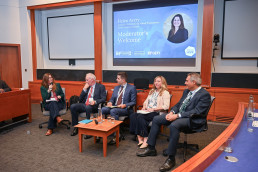
The second SDG Hive session, in partnership with Planet Tracker and WWF, focused on the urgent need for businesses to recognise the financial risks associated with nature-related issues. John Willis, Director of Research at Planet Tracker, opened the discussion by emphasising that nature and biodiversity risks impact all sectors, not just agriculture or manufacturing. Drawing from the World Economic Forum’s global risk survey and UK university research, he highlighted the rising underappreciation of these risks, linking them to sovereign debt, trade, and real assets. Companies that ignore these interdependencies could face significant financial consequences, including increased litigation and regulatory scrutiny.
Integrating Nature into Transition Plans
Vassilis Gkoumas, an Economist at WWF, addressed the importance of transition plans that incorporate nature considerations. He defined “transition” as the process businesses undertake to reduce their environmental impact and improve sustainability. Gkoumas outlined two types of interventions: value chain interventions, which modify supply chains and production methods to foster a circular economy, and beyond value chain interventions, including nature-based solutions like forest conservation.
Using a UK dairy farm’s transition to regenerative practices as a case study, he illustrated that while initial investments in sustainability might reduce revenue, long-term profitability could increase through decreased reliance on costly inputs. Gkoumas stressed the need for governmental direction in defining actionable steps for businesses to align with national nature conservation targets, previewing an upcoming report on sector contributions to these goals.
Case Studies on Animal Welfare and Finance
The session also explored the intersection of animal welfare, nature-related risks, and the finance sector. Jackie Groberski, Manager, Corporate and Financial Institution Engagement from Humane Society International, highlighted the economic impact of animal welfare issues, citing a 12% loss in UK GDP due to livestock diseases, which surpasses COVID-19’s economic toll. Her organisation advocates for improving existing animal welfare standards while reducing the number of animals in production through collaboration with financial institutions.
Key points included the importance of science-based arguments to engage financial institutions on animal welfare, the risks of “humane washing,” and the significant contribution of animal agriculture to climate change. Successful financing examples, such as DBS Bank’s sustainability-linked loan for cage-free production, were discussed, alongside ongoing efforts to integrate animal welfare into sustainability standards.
Investing in Nature
Leon Kamhi, Head of Responsibility and EOS at Federated Hermes, rounded out the session by presenting how his firm engages with nature-focused investments, despite not being a specialist in this area. He outlined five strategies for investing in nature, including blended finance for agricultural solutions and stewardship engagement. However, he also highlighted challenges such as pension fund industry fragmentation, data availability, and the profitability of nature-based solutions.
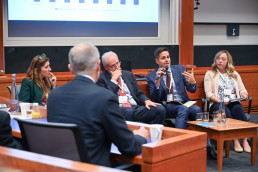
Leon emphasised the complexities of investing in nature, urging financial institutions to address both the opportunities and risks involved in such investments. The panel reinforced the need for a comprehensive understanding of how financial decision-making can align with nature conservation goals, underscoring the broader implications for economic stability and sustainability.
This session illustrated the critical necessity for integrating nature-related risks and animal welfare considerations into business strategies and financial practices. By recognising these interconnections, companies can better navigate the evolving landscape of sustainability and enhance their resilience against emerging financial risks.