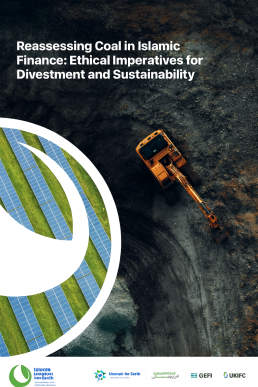
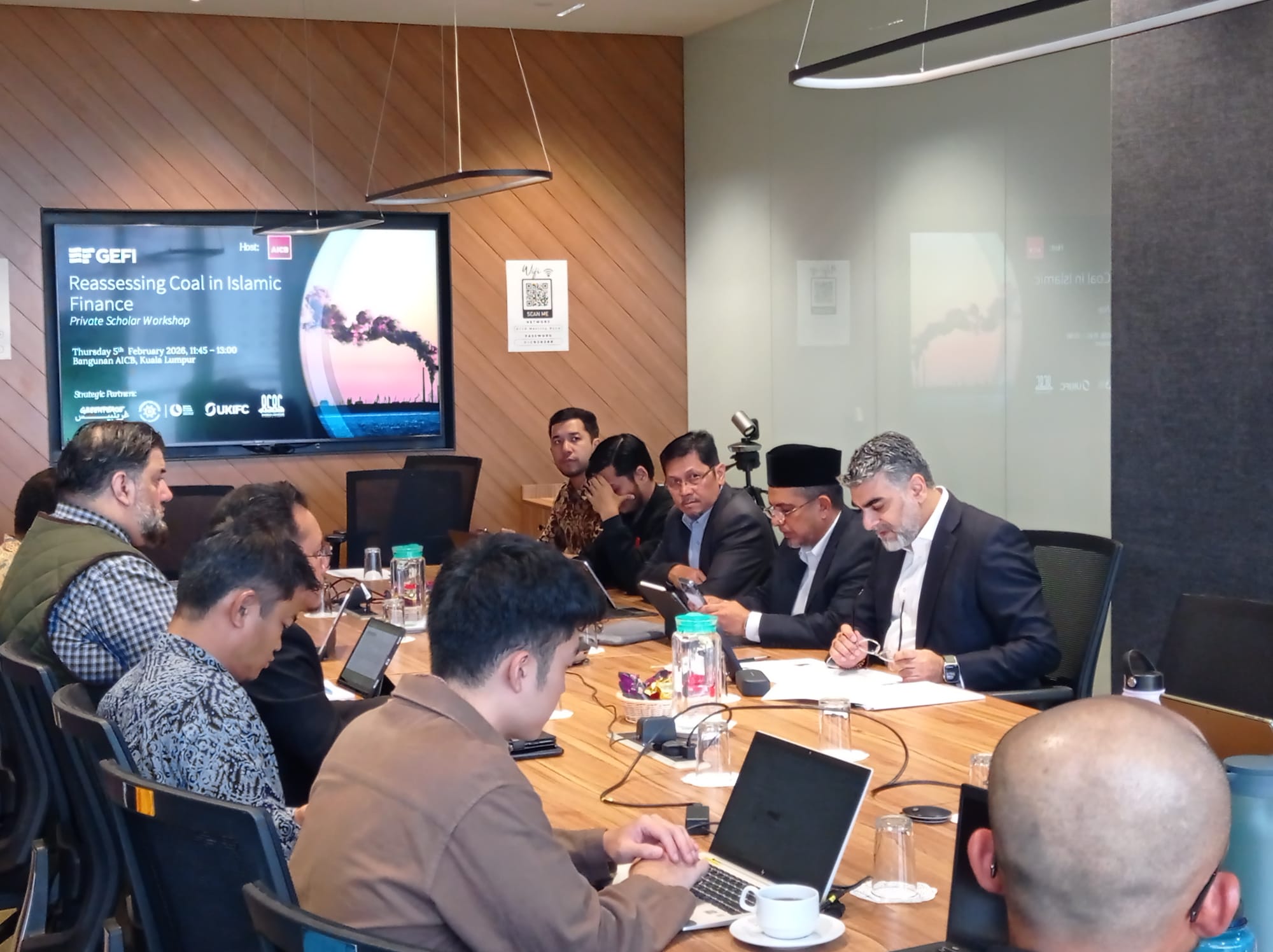
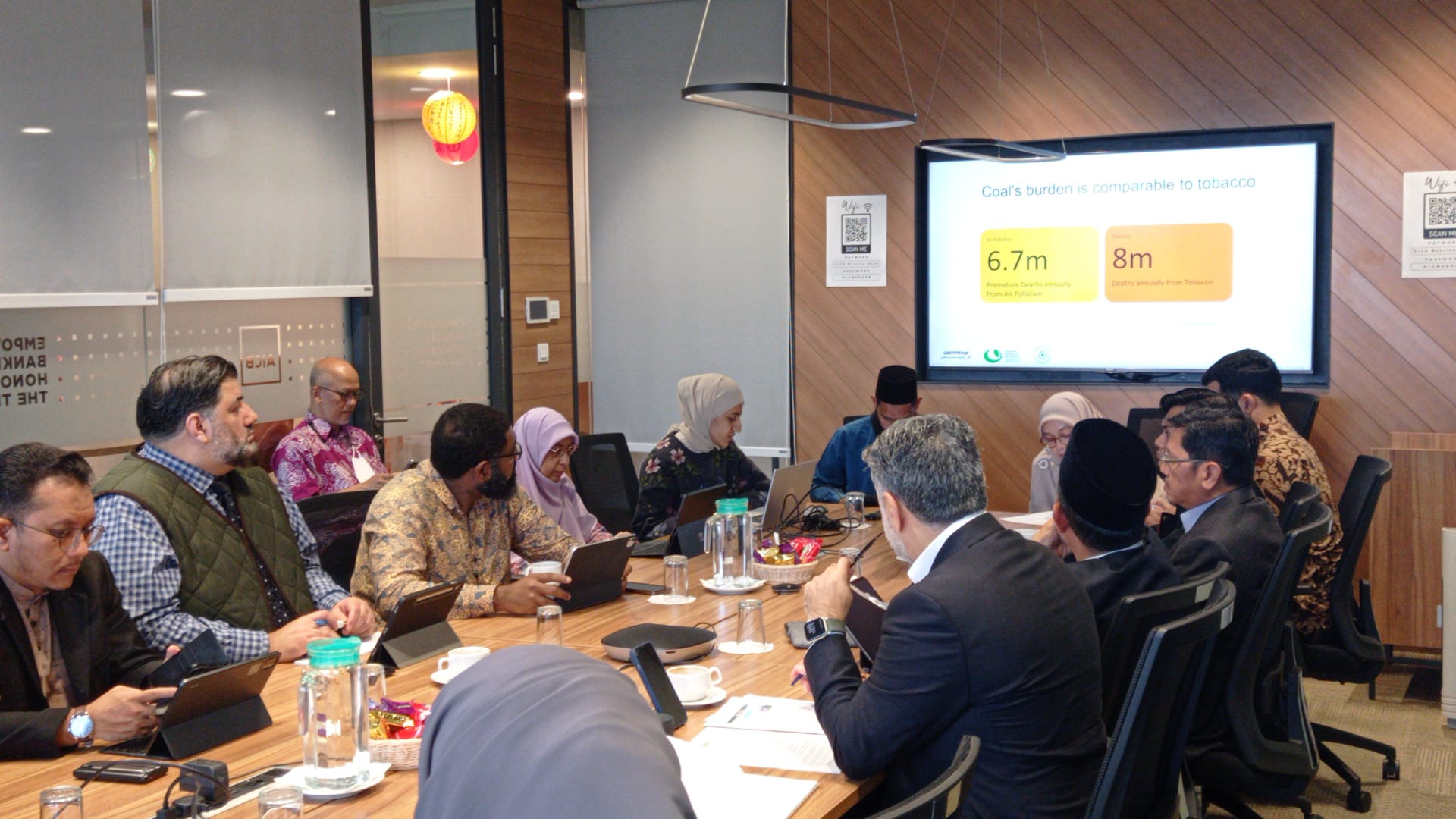
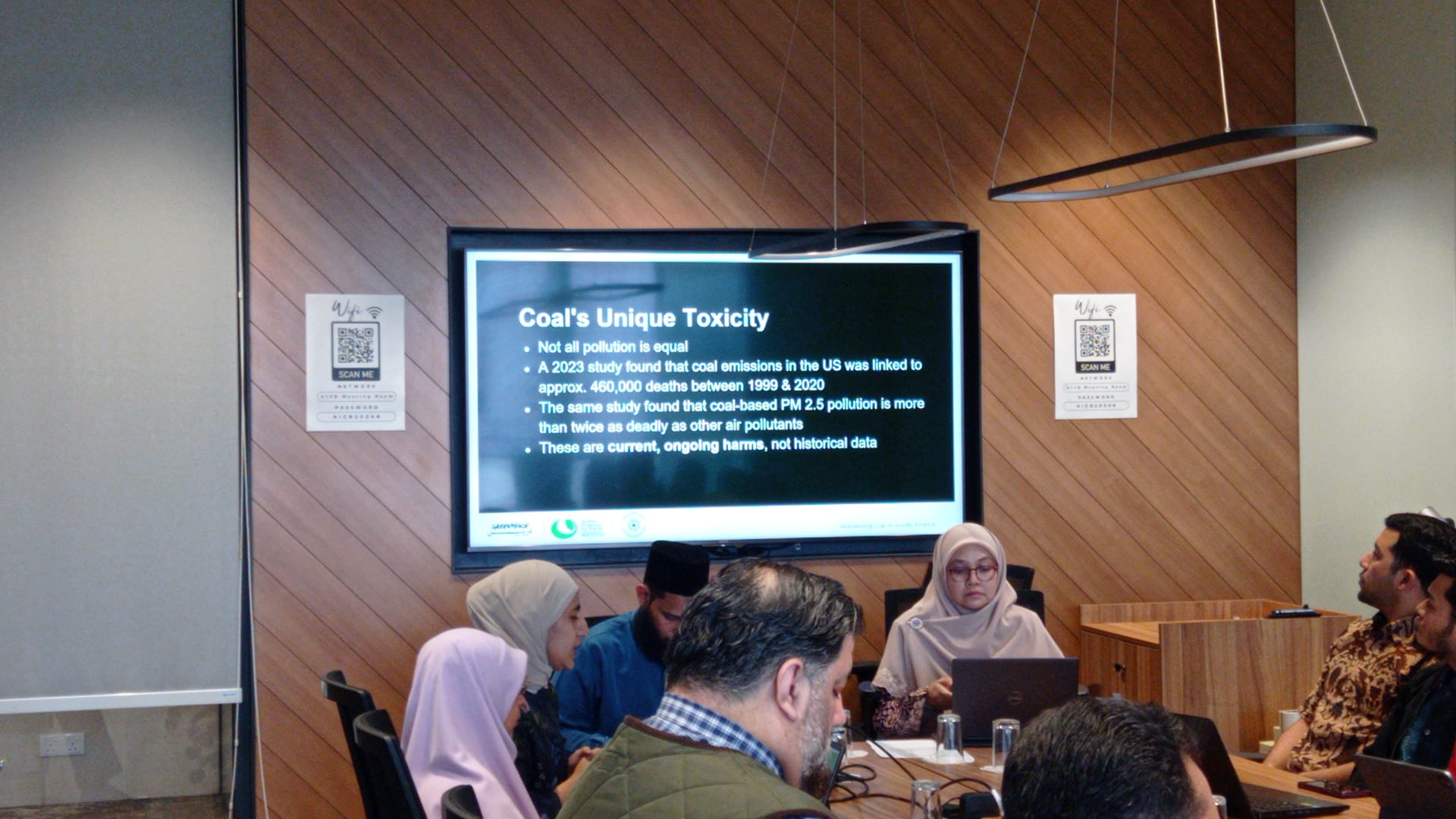
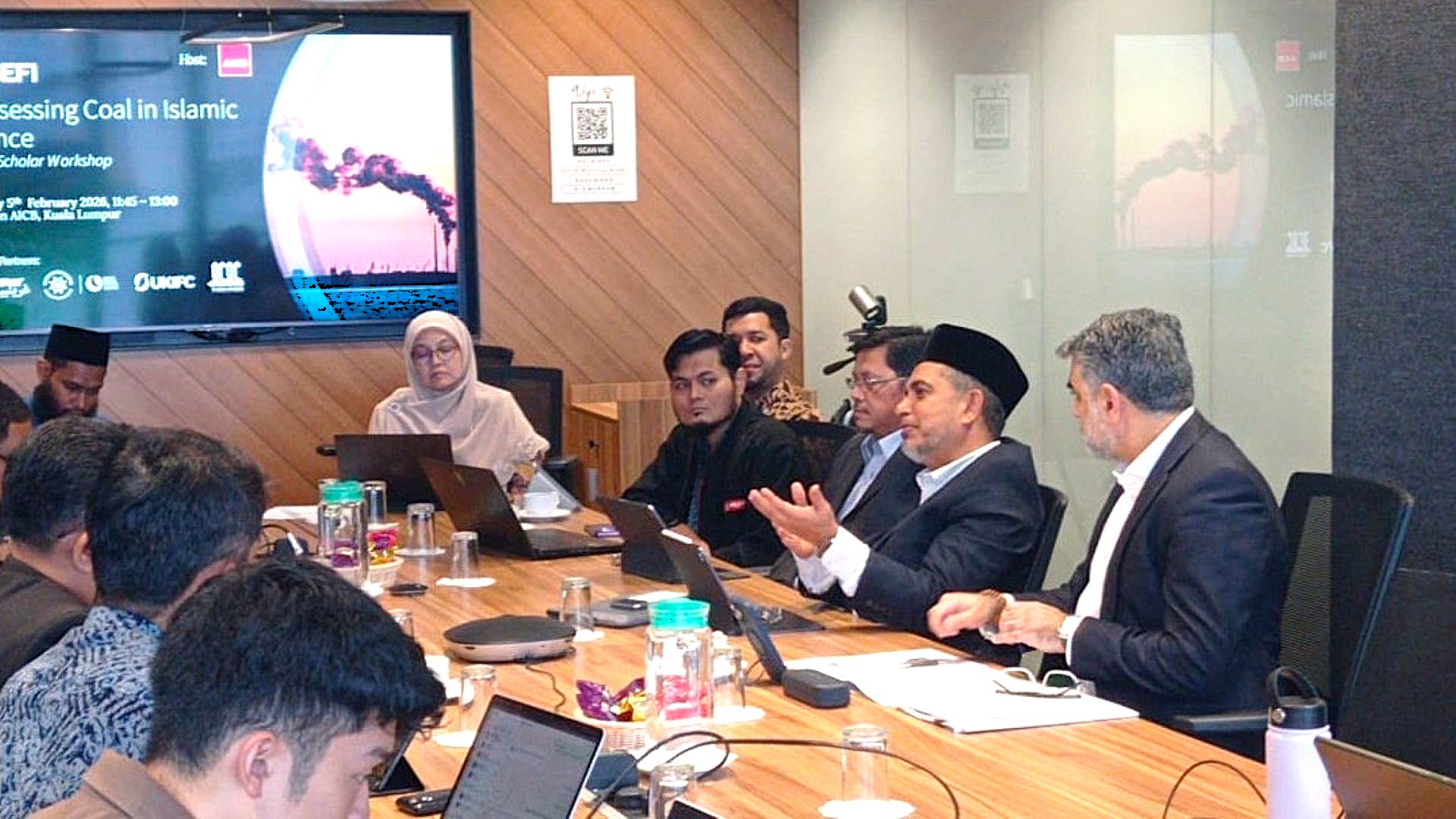
The session featured insights from Dr Mohamed Akram Laldin, Professor at INCEIF; Umer Suleman, Global Head of Risk, Compliance & Shariah at Wahed and UKIFC Board Member and Hamizah Shamsudeen, Climate and Energy Campaigner for Greenpeace Malaysia.
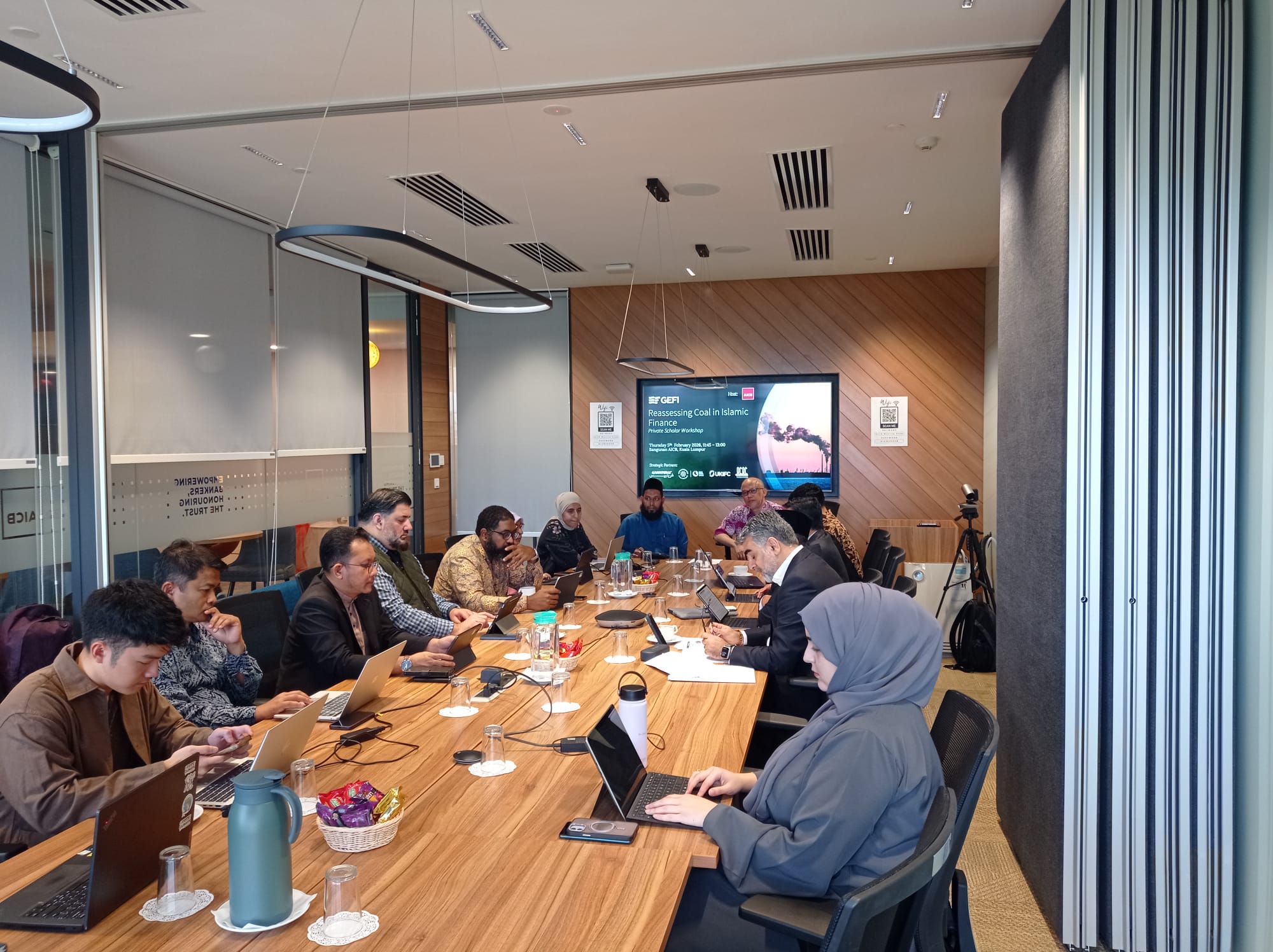
The session brought together Shariah scholars and Islamic finance practitioners to explore a critical question: What harm thresholds should prompt a Shariah reassessment of screening? The discussion was framed as a cross-disciplinary inquiry, linking ethics, science, economics, and practical realities.
Key discussion points that were covered during the interactive and dynamic session have been summarised below.
Harm Threshold for Shariah Ruling
Participants emphasised that impermissibility based on harm demands a high evidentiary bar. Harm must be clearly demonstrable, unequivocal, severe to the point of being unbearable, and established through authoritative, trustworthy expert evidence. Scholars underlined that declaring something permissible or impermissible is a serious religious responsibility; therefore, categorical rulings require methodological rigour and strong empirical certainty.
Direct vs Indirect Harm
A central distinction was drawn between direct, locally observable harms and indirect contingent harms. The session highlighted that the most acute and immediate harm arises where coal is used without pollution-control technologies, producing tangible impacts from pollutants such as particulates, sulphur dioxide, and nitrogen oxides. By contrast, climate-related harms linked to CO₂ were characterised as more complex, assumption-dependent, and mediated through multiple interacting variables, making claims of direct certainty harder to sustain. This distinction mattered materially for Shariah reasoning as the clearer and more attributable the harm pathway, the stronger the basis for restrictive legal treatment.
Strategic Partners:




Host:
Cost–Benefit Framing
The notion of cost–benefit analysis suggests that screening decisions should reflect the frequency, magnitude, and likelihood of harm, and weigh these against maṣlaḥah (public benefit). The group also noted practical parallels in finance: indiscriminate exclusions can inadvertently block legitimate activity and, in doing so, undermine broader welfare objectives.
Context Matters
The discussion therefore rejected the appropriateness of a uniform global ruling, arguing that harm and the capacity to mitigate it is context-sensitive. Where regulatory enforcement is weak and fiscal capacity is limited, harms are amplified because mitigation technologies are not reliably deployed. A credible approach would include country-specific caveats, conditionality, and gradual transition pathways.
Distributive justice
Distributive justice emerged as a defining theme. Participants highlighted the ethical problem that benefits and burdens are unevenly distributed: those who profit from harmful activity may not bear the health and environmental costs. The discussion also flagged an equity tension in global standards, noting that uniform exclusions may entrench structural bias against late-developing economies whose development needs remain pressing, particularly given that developed countries industrialised under looser constraints. This supported calls for differentiated responsibilities, transitional arrangements, and, where relevant, compensatory mechanisms.
Conclusion
The session concluded that coal was used deliberately as a case study to expose a broader methodological challenge in Islamic finance. Shariah screening would require an authoritative scholarly position, clearer definitions and parameters, and an implementable framework specifying what constitutes unacceptable harm, what evidence is required, how thresholds are justified, and how transition pathways are treated.
The strongest direction of travel was towards a structured evidentiary process and calibrated policy design recognising coal harm in principle but insisting that Shariah judgement must rest on robust evidence and contextual feasibility.
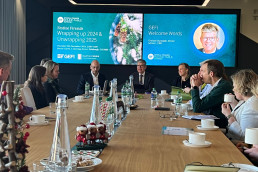
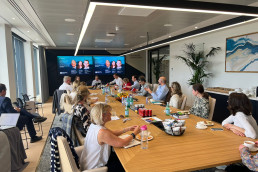


The inaugural ESG Majlis Dubai series event, delivered in partnership with PwC, will convene financial services leaders, by invitation only, to discuss key regional finance opportunities and challenges across the components of ESG. This session is themed “UAE COP28 Legacy: from Finance Sector Opportunities to Economic Sustainability”.
Relevant Thought Leadership