

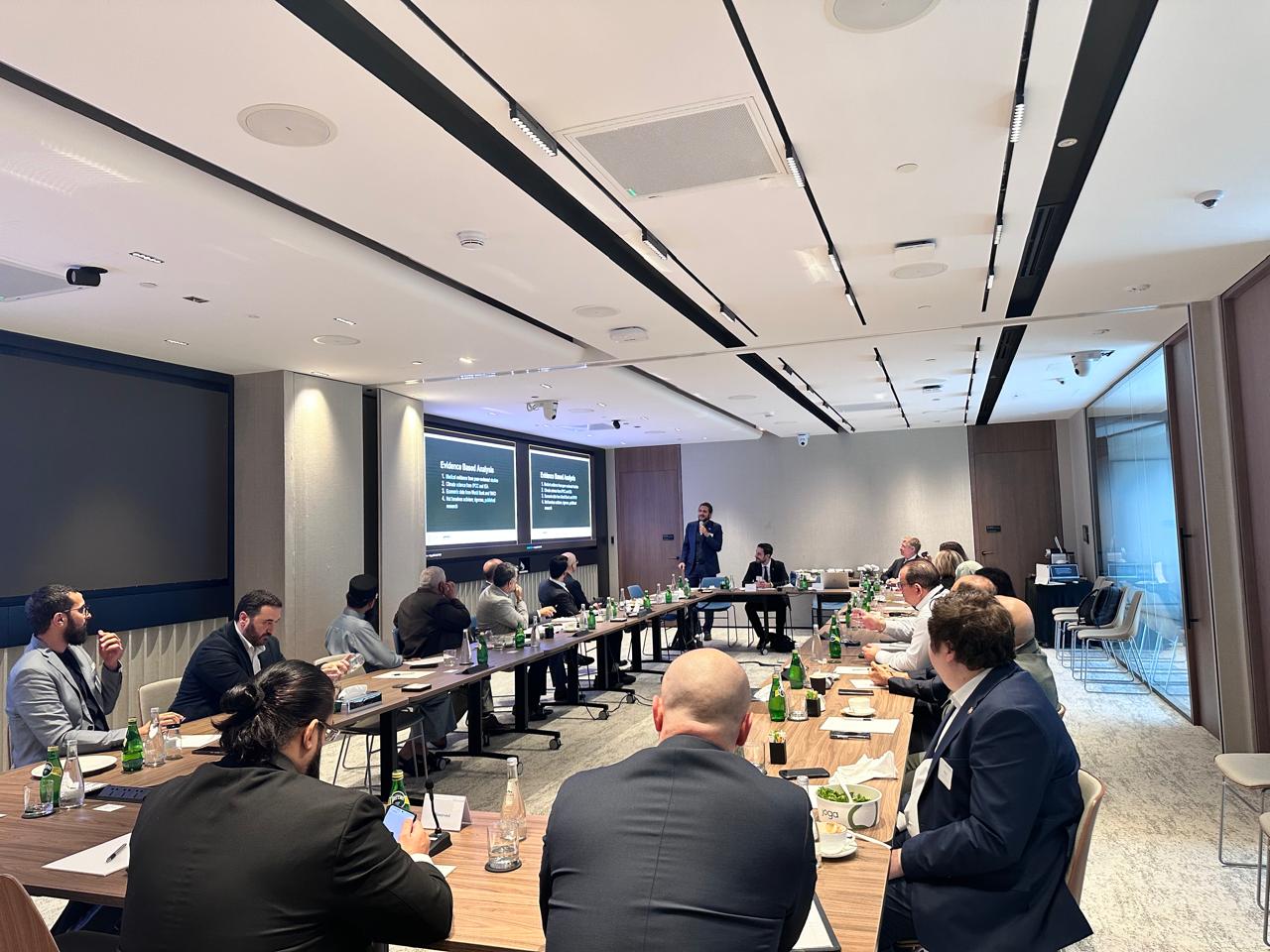
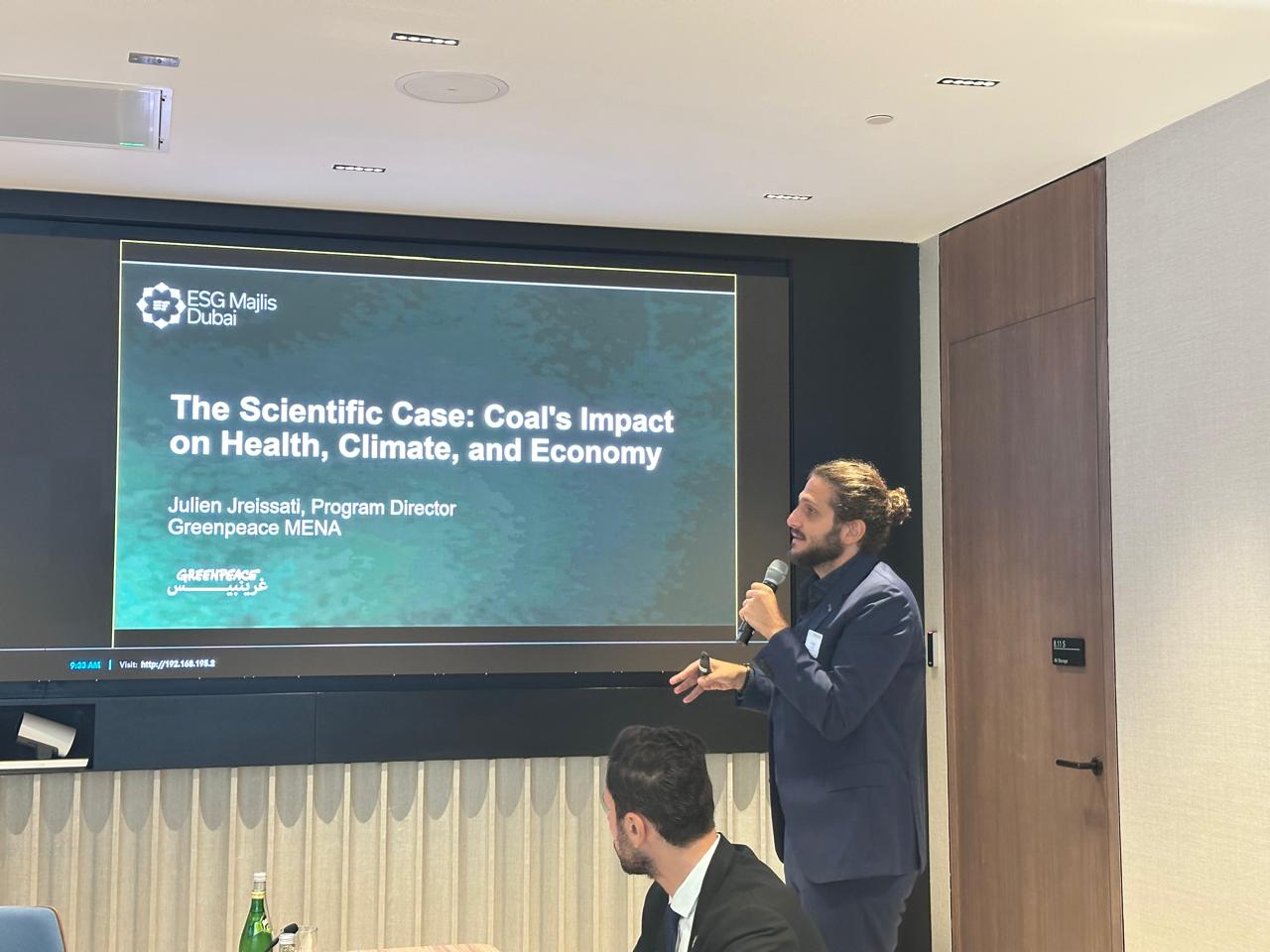
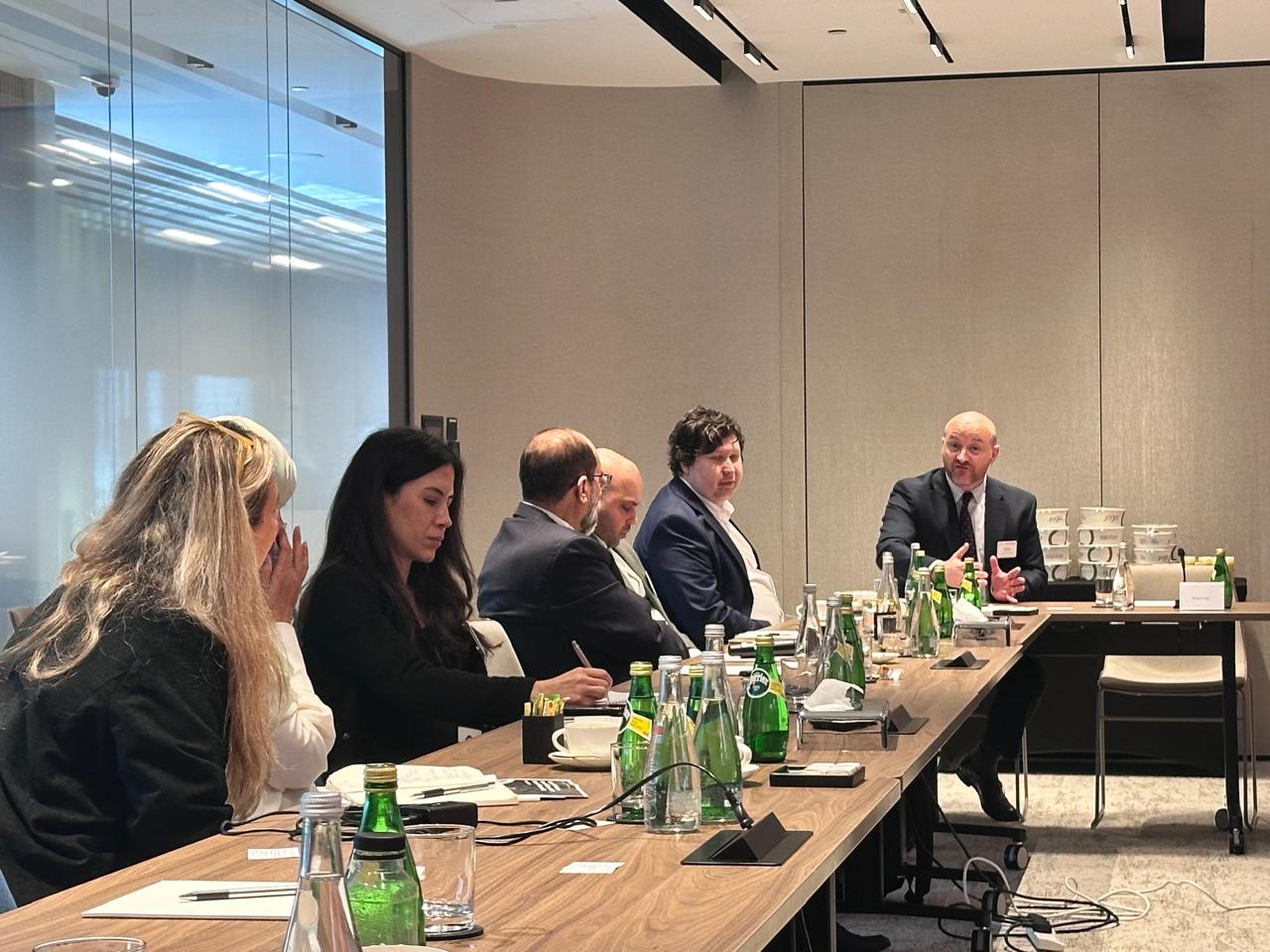
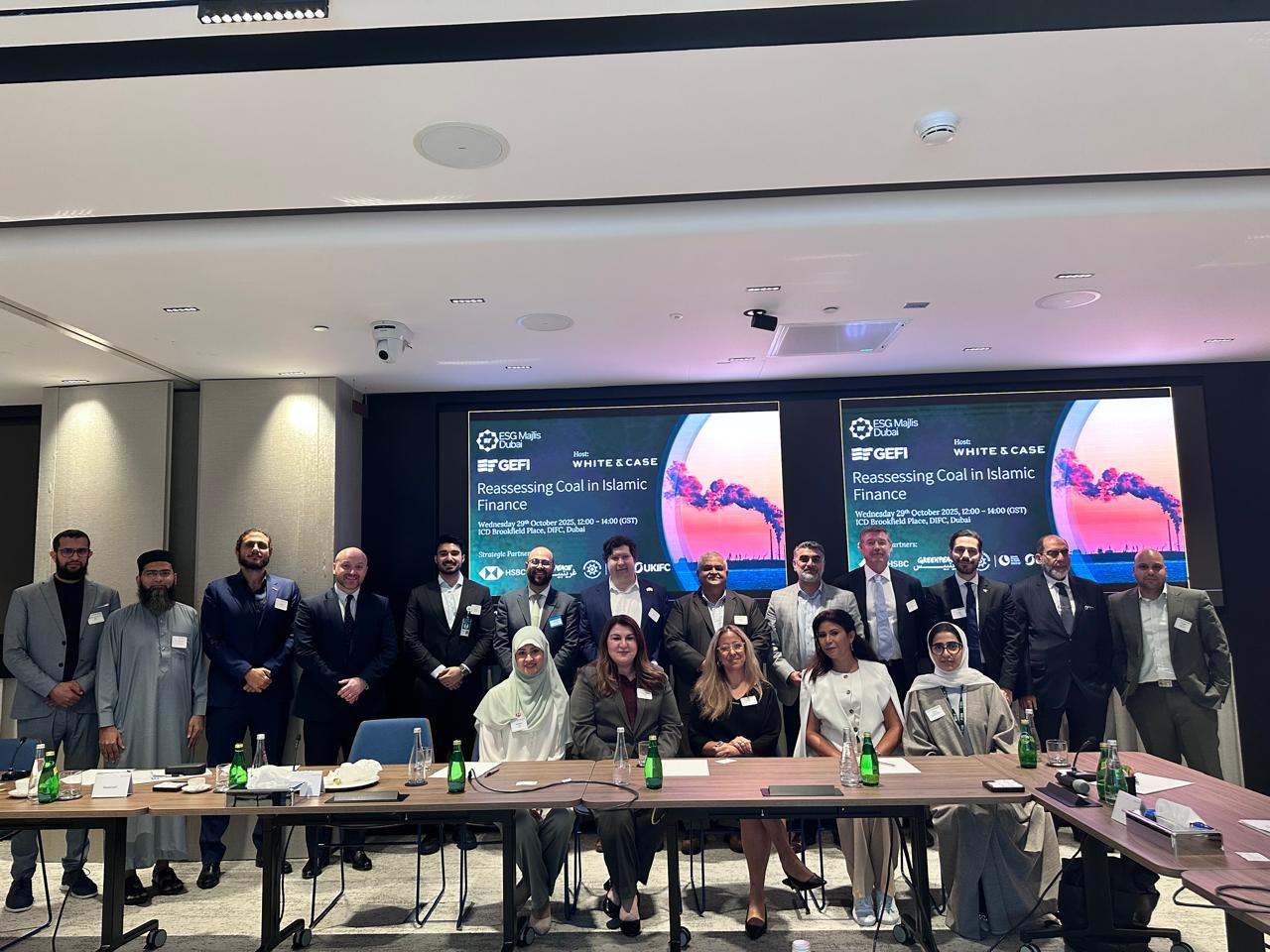
The session was chaired by Sherief Rashed, Partner, White & Case and featured insights from Julien Jreissati, Programme Director, Greenpeace MENA, and Tariq Al Olaimy, Islamic Finance Campaigner & Advisor, Ummah for Earth Alliance, Greenpeace MENA.
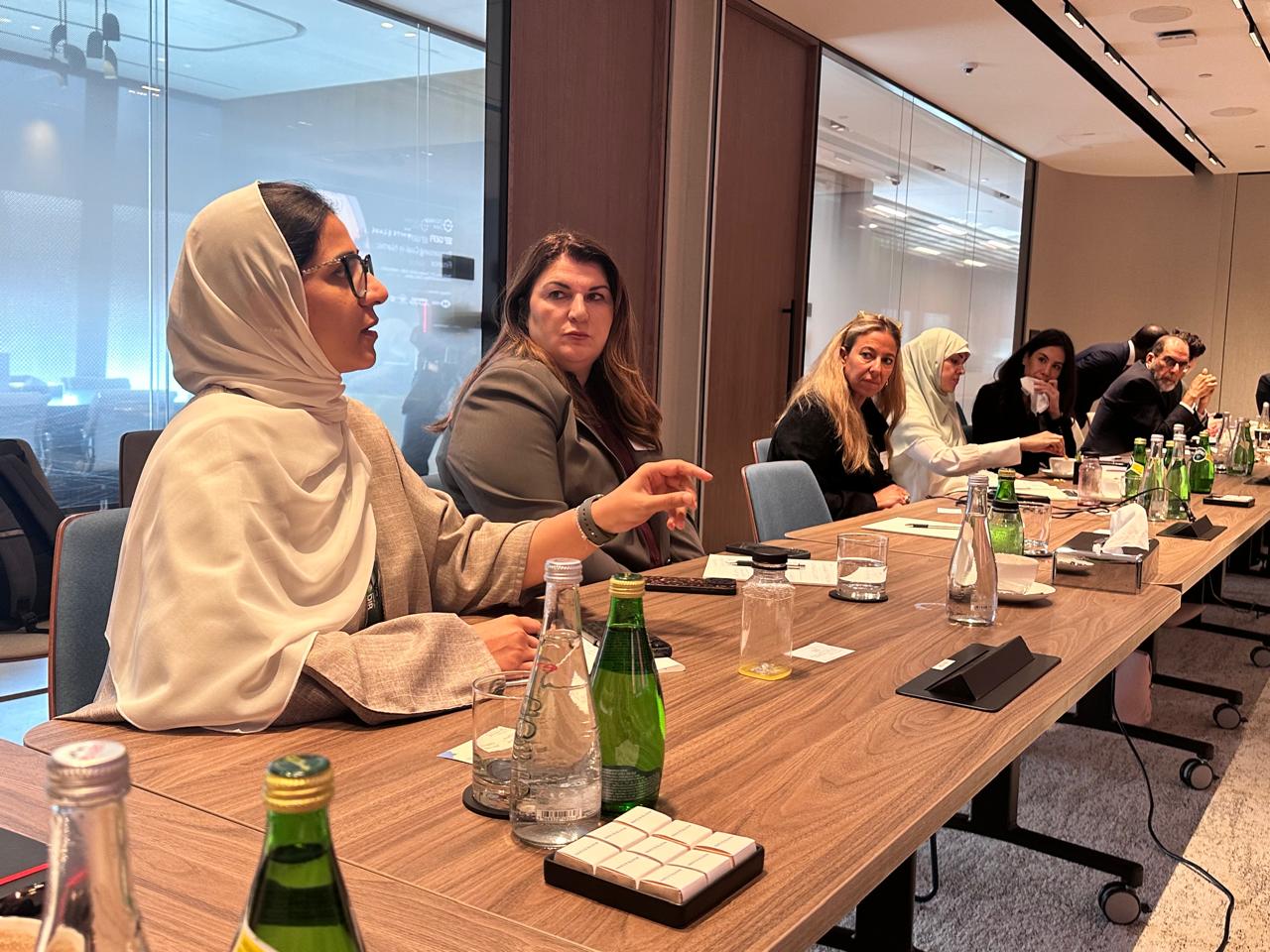
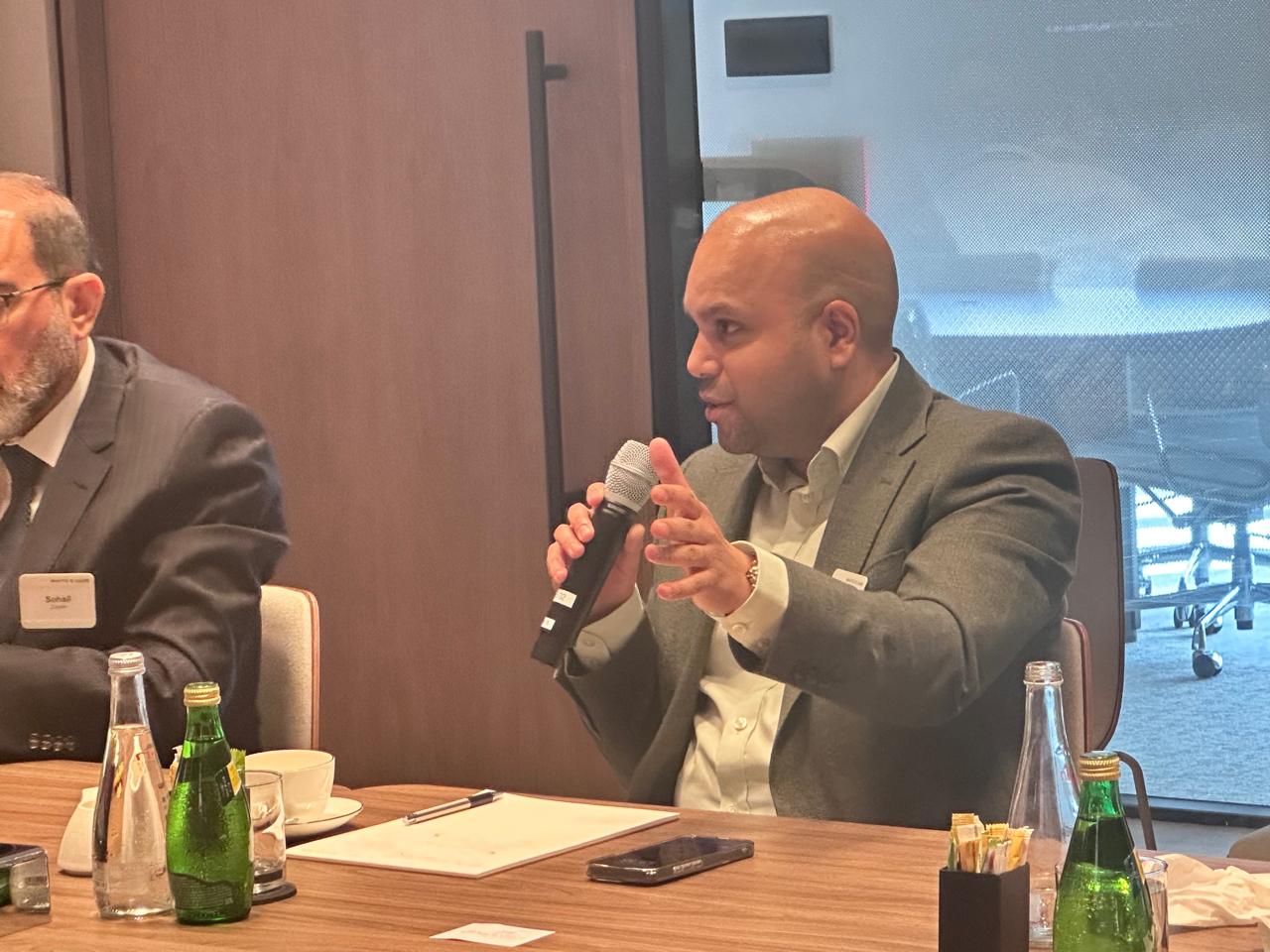
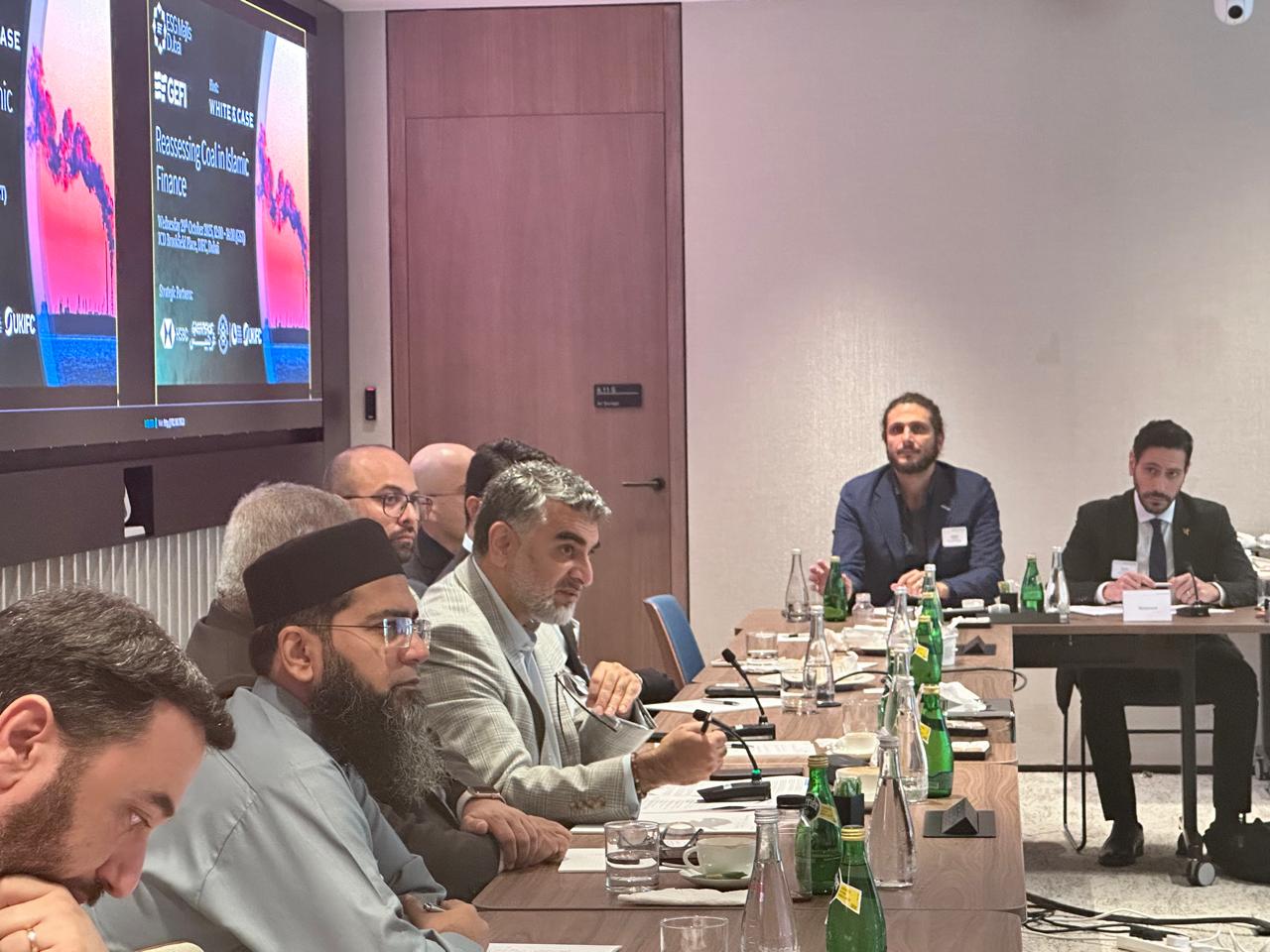
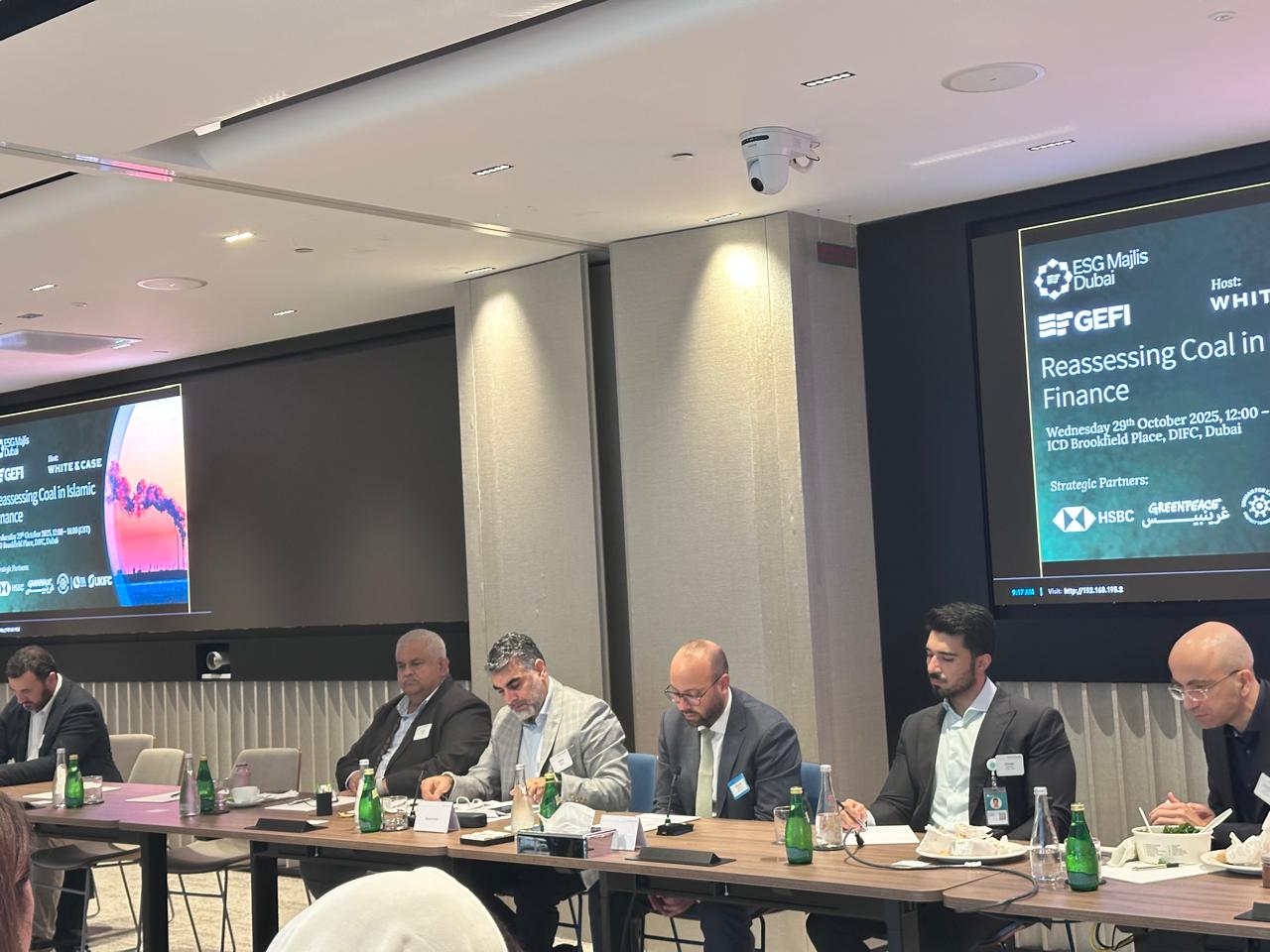
The session brought together industry leaders, scholars, and sustainability practitioners to explore a critical question: should Islamic finance exclude coal from its investment universe? The discussion was framed not as a binary verdict but as a nuanced inquiry into ethics, economics, and practical realities.
Key discussion points that were covered during the interactive and dynamic session have been summarised below.
Coal’s Harm Profile
Scientific evidence underscores coal’s multidimensional harm: Health impacts comparable to tobacco, environmental degradation, and trillions in economic losses. WHO estimates millions of deaths annually from air pollution, with coal as a major contributor. Beyond mortality, coal drives climate instability, water stress, and intergenerational risks. These factors undermine Maqasid al-Shariah, notably the protection of life, wealth, and environment.
Ethical Imperatives and Precedent
The analogy to tobacco is instructive. Initially tolerated, tobacco was later excluded from Islamic finance as evidence of harm mounted. Coal presents an even broader challenge, amplifying systemic harm. Yet, scholars caution against precipitous rulings: coal lacks an intrinsic haram characteristic, placing it in the gray zone (Mushtabah). Classifications such as Makruh Tahrimi (disliked) or Mamnu (avoid) offer pragmatic pathways without triggering disruptive chain reactions across related industries.
Strategic Partners:



Host:

Practical Realities
Islamic banks operate within regulatory ecosystems and often defer to central Sharia boards and global standards (AAOIFI). While ESG frameworks increasingly exclude coal, formal Sharia exclusions remain inconsistent. A proposed Darura Scorecard offers a conditional approach prioritizing necessity, energy security, and just transition pathways, particularly for regions reliant on coal.
Broader Challenges
Excluding coal raises complex questions about oil, gas, and other fossil fuels, especially in GCC economies. Coal’s indirect role in enabling renewable supply chains (e.g., China’s solar dominance) complicates blanket exclusions. The debate signals a need for systematic, consensus-driven frameworks that balance ethical clarity with economic pragmatism.
Future Proofing Portfolios and Protecting Societies
Islamic finance stands at a crossroads. The moral case for excluding coal is unequivocal; the economic rationale is strengthening. The path forward lies in uniting stewardship principles with practical transition strategies anchored in necessity, responsibility, and global sustainability norms. This is not about idealism; it is about future-proofing portfolios and protecting societies from a stranded future.
Summary
The Rethinking Islamic Stock Screening round table offered a thought-provoking exploration of how Islamic finance can evolve to address modern sustainability challenges. Key takeaways included:
- The importance of integrating ESG and ethical considerations within Shariah screening frameworks.
- The need for systematic, evidence-based evaluation of industries based on harm and benefit.
- Recognition of the moral and environmental implications of investments in coal, and other extractive sectors.
- Calls for consistent, universal Shariah rulings informed by scientific and risk-based insights.
- The urgency of developing clear, credible frameworks for sustainable and green Islamic financial instruments.
The discussion underscored that rethinking Islamic stock screening is not about redefining Shariah principles but about reapplying them in a way that meets the ethical and environmental challenges of the 21st century.
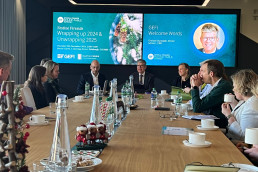
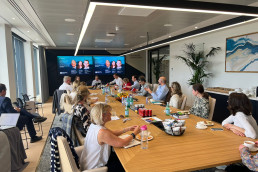


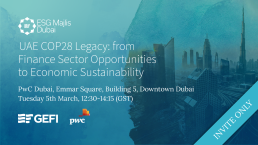
The inaugural ESG Majlis Dubai series event, delivered in partnership with PwC, will convene financial services leaders, by invitation only, to discuss key regional finance opportunities and challenges across the components of ESG. This session is themed “UAE COP28 Legacy: from Finance Sector Opportunities to Economic Sustainability”.

Relevant Thought Leadership
