

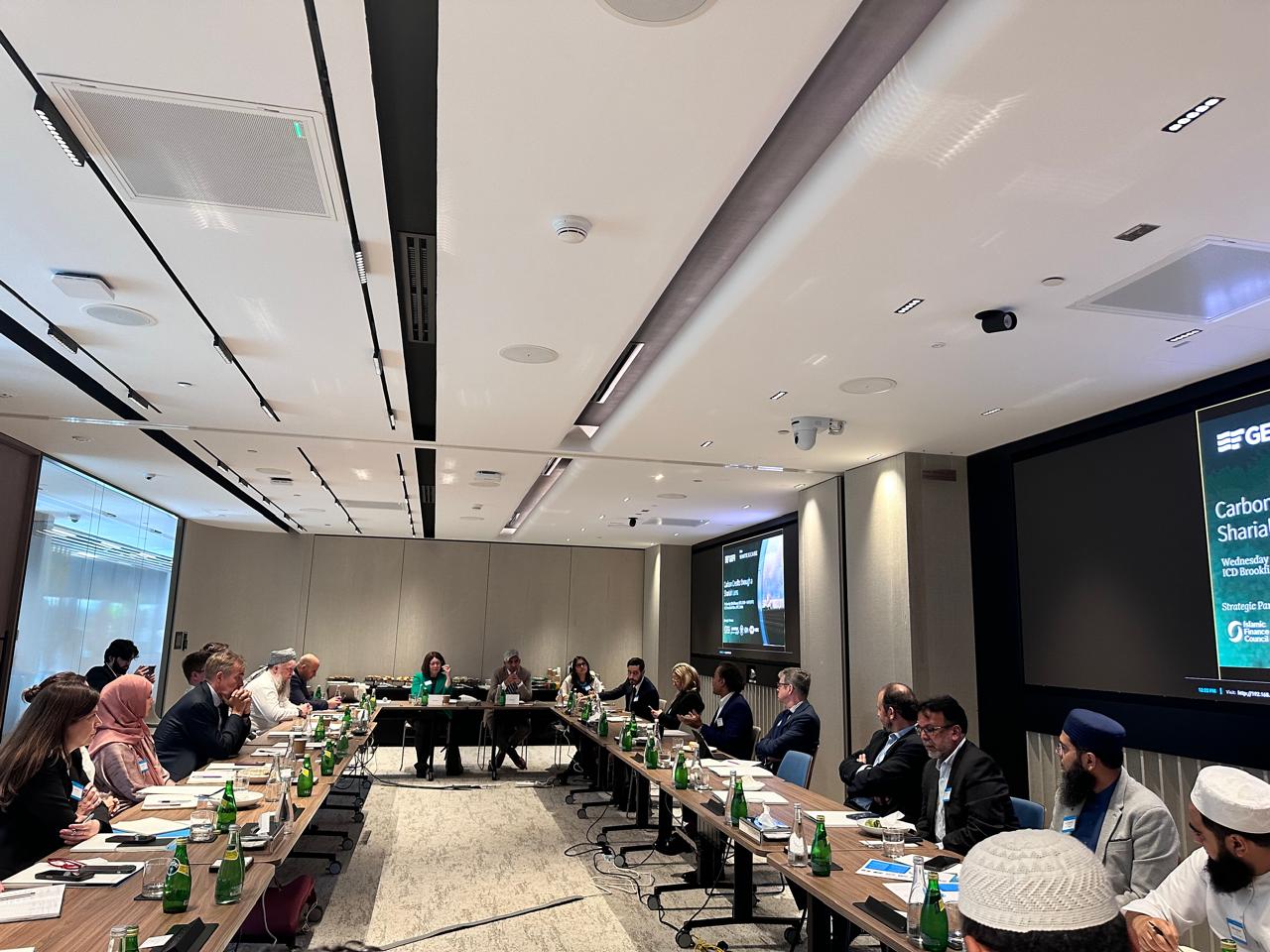
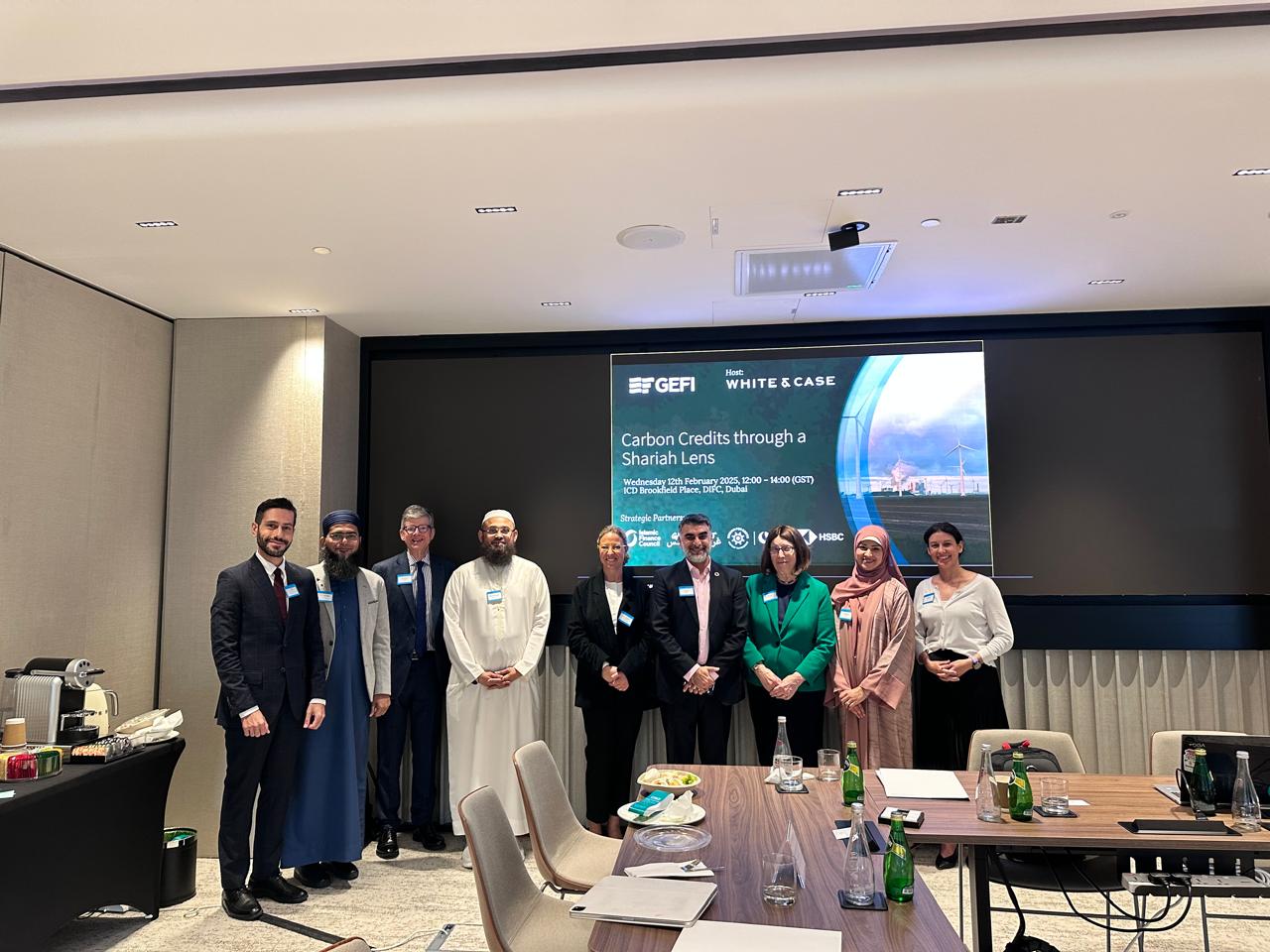
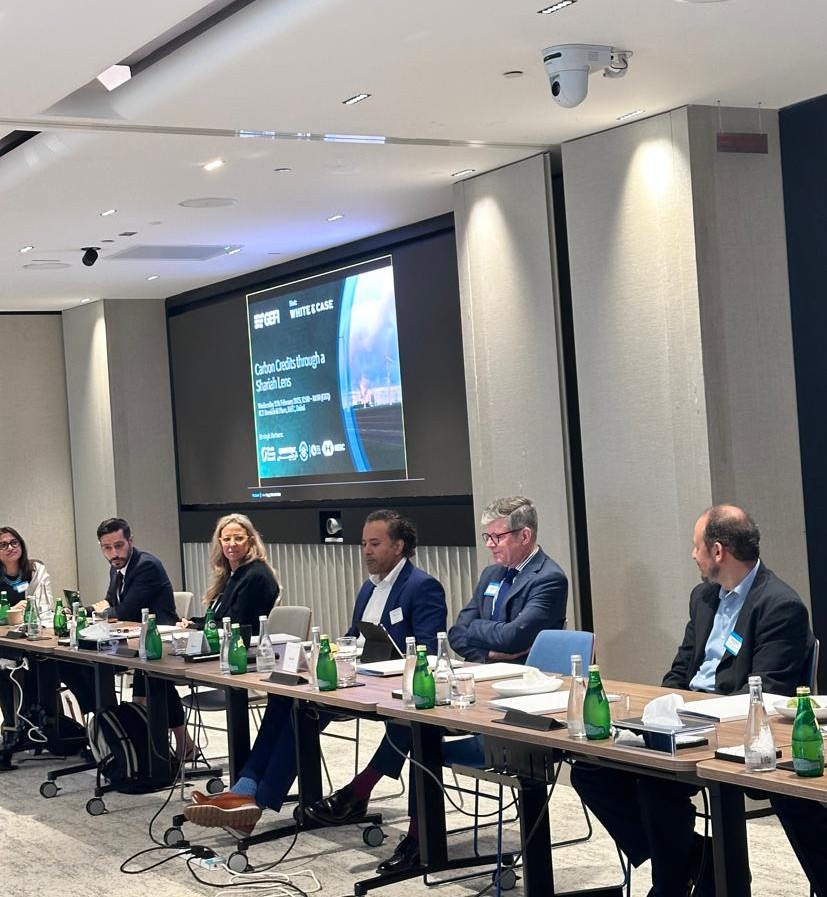
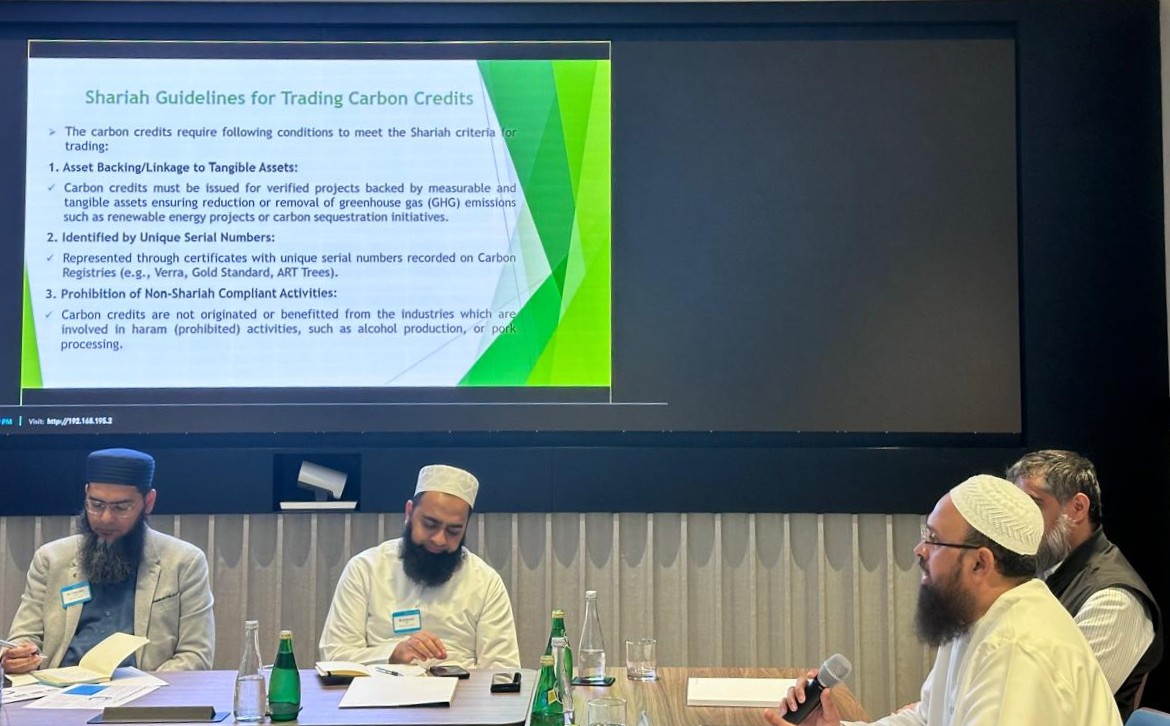
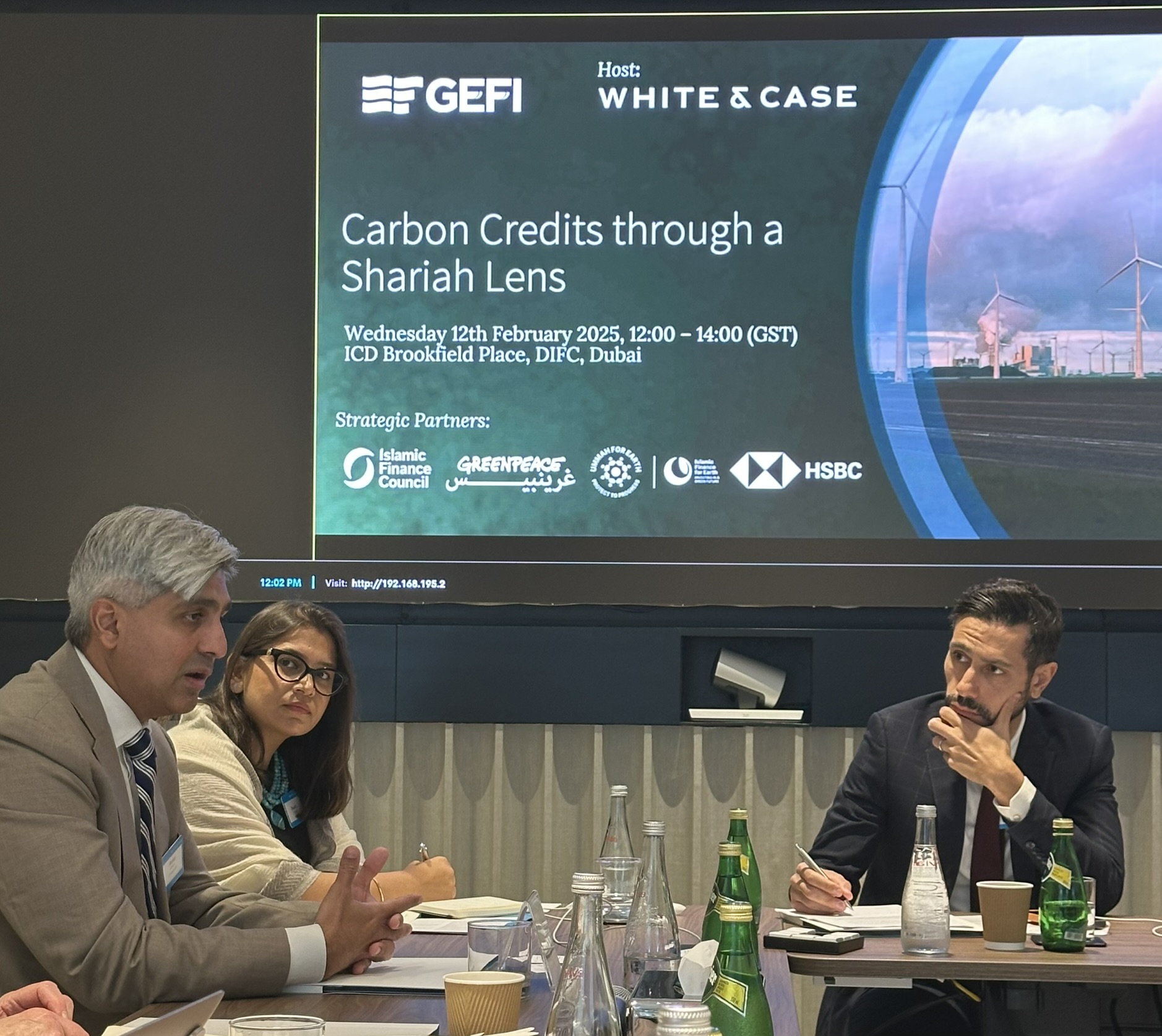
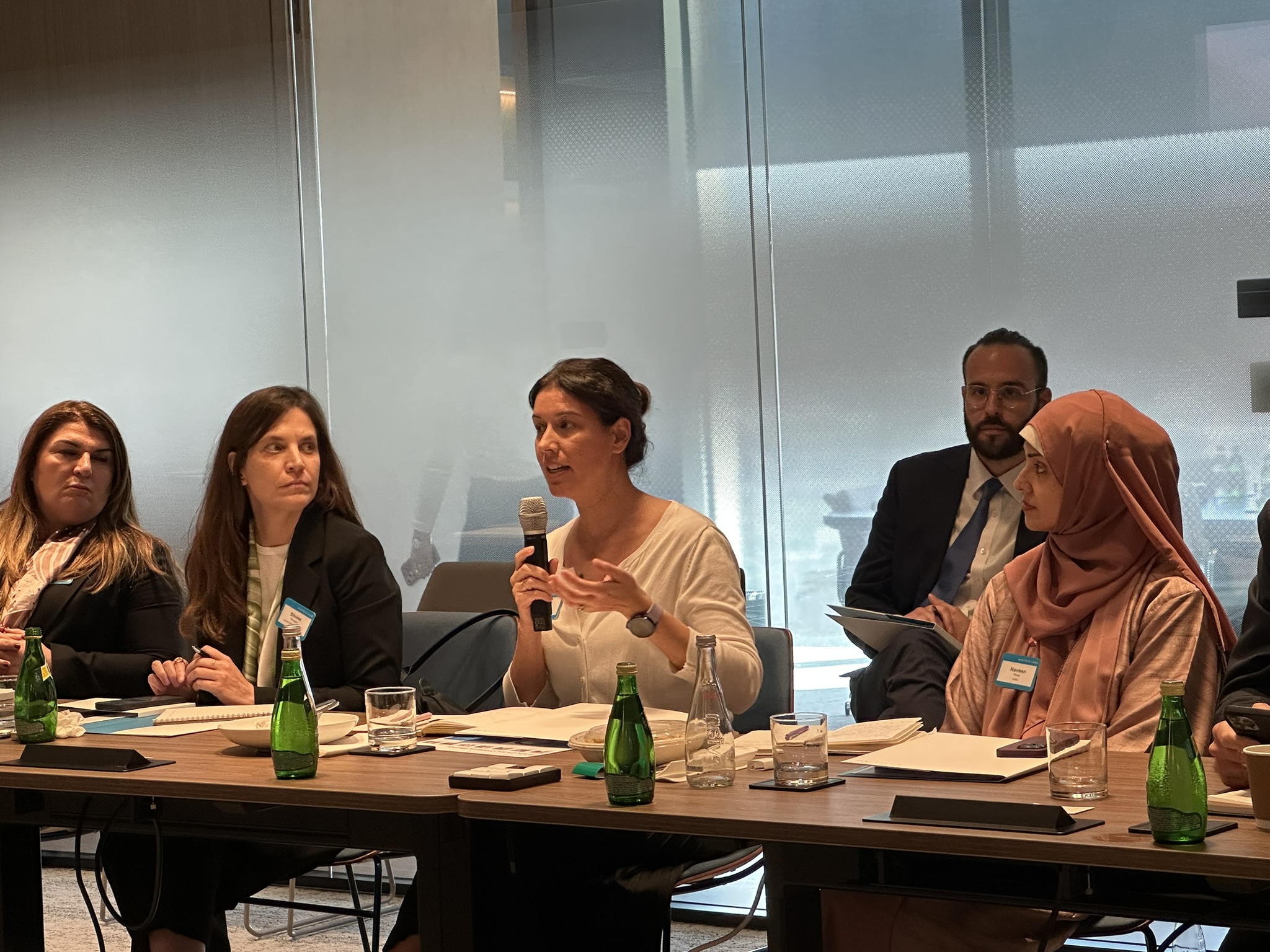
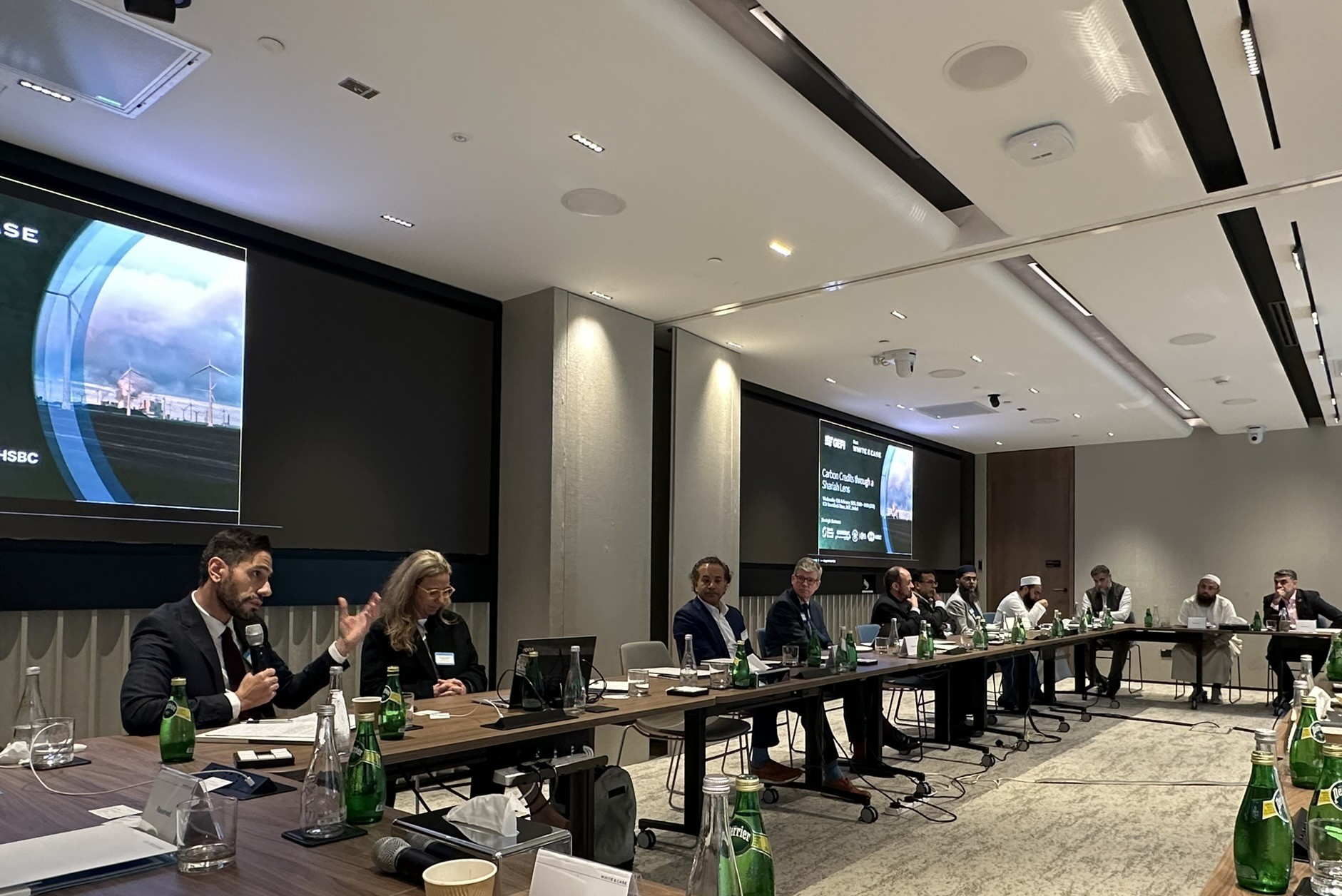
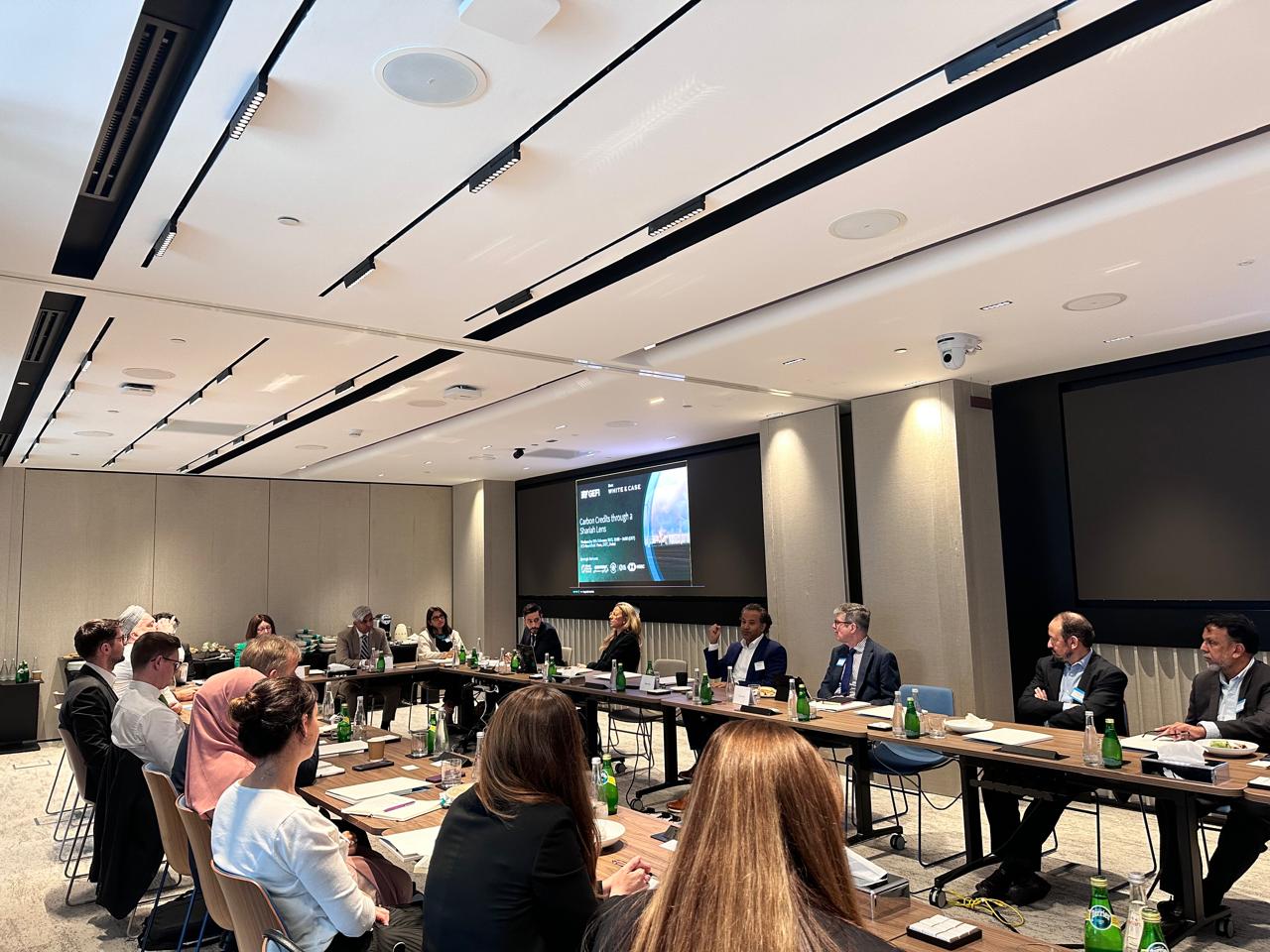
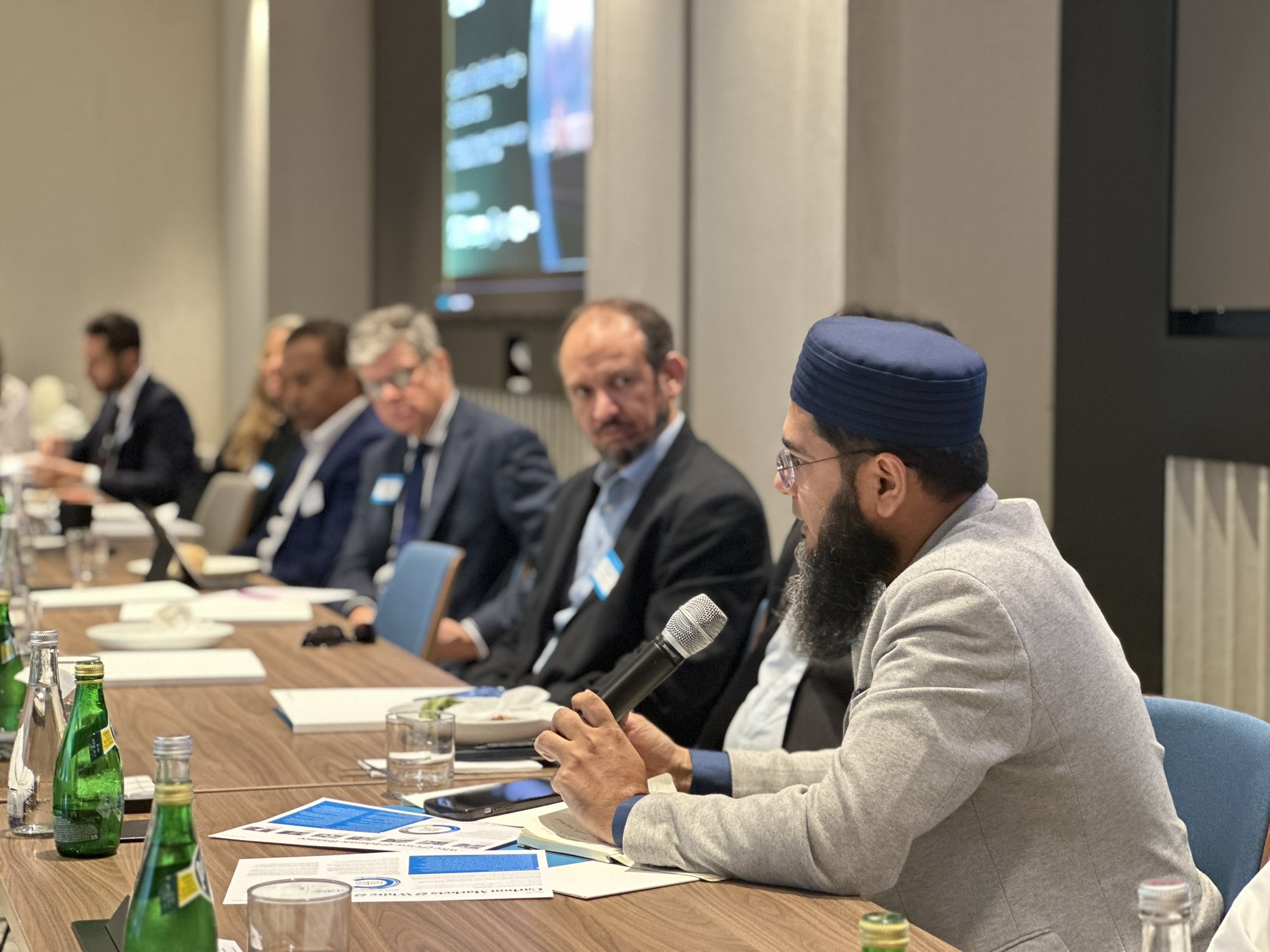
The session was chaired by Graham Burnside, Co-founder and Senior advisor GEFI and featured insights from Debashis Dey, Partner at White & Case ; Amar Ehsan, Head of Commodities Trading at Emirates NBD, and Sh. Muhammad Abdul Mubeen, Head of Global Shariah Department at Standard Chartered.
The session highlighted the ongoing challenges surrounding carbon credits, which remain a highly nuanced financial instrument still undergoing definition, commoditization, and regulatory development.
The discussion extended beyond financial restructuring and Shariah compliance to a broader ethical, legal, and regulatory debate that questions whether carbon credits serve as legitimate tools for climate finance or merely function as speculative financial instruments.
Understanding Carbon Credits
A central point of discussion was the classification of carbon credits, which determines their tradability, market viability, and alignment with Islamic finance principles. From both legal and Shariah perspectives, this classification remains unsettled. Some argued that carbon credits should be considered intangible assets, a widely accepted classification that allows for free trading in secondary markets, similar to intellectual property or renewable energy certificates. If accepted as such, they could unlock billions in climate finance. Others, however, viewed carbon credits as financial rights, which cannot be traded like commodities and must instead be directly consumed by the buyer, raising concerns about their permissibility under Islamic finance.
Strategic Partners:



Host:

Critical Challenges
Ensuring the integrity of carbon markets remains a critical challenge, particularly in terms of transparency, legal risks, and regulatory inconsistencies. One major concern is over-crediting, where more credits are issued than actual emissions reductions achieved, leading to price distortions and enabling greenwashing. Another fundamental issue is the valuation of carbon credits, where one tonne of carbon emissions is often considered equal across global markets. However, this approach overlooks critical ecological and social factors, such as the varying impact of carbon sequestration in different ecosystems, biodiversity considerations, and the social risks associated with carbon projects.
A key ethical concern is the displacement of indigenous communities and local populations due to large-scale carbon offset projects. In some cases, land designated for carbon sequestration conflicts with the rights of indigenous groups, raising questions about fair compensation and consent. Additionally, there is the risk that carbon trading may inadvertently incentivize continued pollution by granting emitters the right to offset rather than directly reduce their emissions, thereby delaying meaningful climate action.
Legal risks in carbon credit transactions including ownership transfer, and legal enforceability remain contentious issues. The absence of clear contractual certainty can create disputes over who ultimately holds the rights to the credits. Additionally, carbon credits may fall under derivative or securities regulations, subjecting them to stringent financial oversight that could limit their inclusion in Islamic finance. The lack of a global regulatory framework exacerbates these challenges, leading to inconsistencies in market rules and compliance requirements across jurisdictions.
A Potential Solution: A Shariah-Compliant Ethical Framework for Carbon Credits
A robust ethical framework for carbon credits could ensure their direct linkage to verified, impact-driven projects, guaranteeing real environmental benefits. To mitigate market volatility and excessive risk, restrictions on futures trading should be implemented. Digital tokens can enhance transparency, prevent double-counting, and reinforce market integrity. Independent carbon rating agencies, alongside Islamic finance institutions, could play a certifying role in assessing and validating carbon credit projects, ensuring compliance with both Shariah principles and ESG standards.
Carbon credits have the potential to play a crucial role in achieving net zero by supporting nature-based solutions and delivering measurable and verifiable environmental benefits. However, their effectiveness depends on ensuring that they contribute to genuine emissions reductions rather than serving as a mechanism for polluters to delay meaningful climate action.
For Islamic finance, the opportunity within carbon markets lies in its ability to navigate their inherent complexities. By developing robust regulatory frameworks and ensuring ethical integrity, Islamic finance can position itself as a global leader.

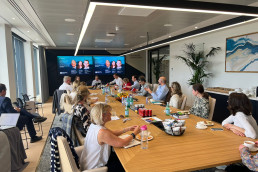


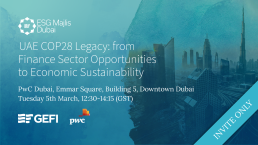
The inaugural ESG Majlis Dubai series event, delivered in partnership with PwC, will convene financial services leaders, by invitation only, to discuss key regional finance opportunities and challenges across the components of ESG. This session is themed “UAE COP28 Legacy: from Finance Sector Opportunities to Economic Sustainability”.
Relevant Thought Leadership
