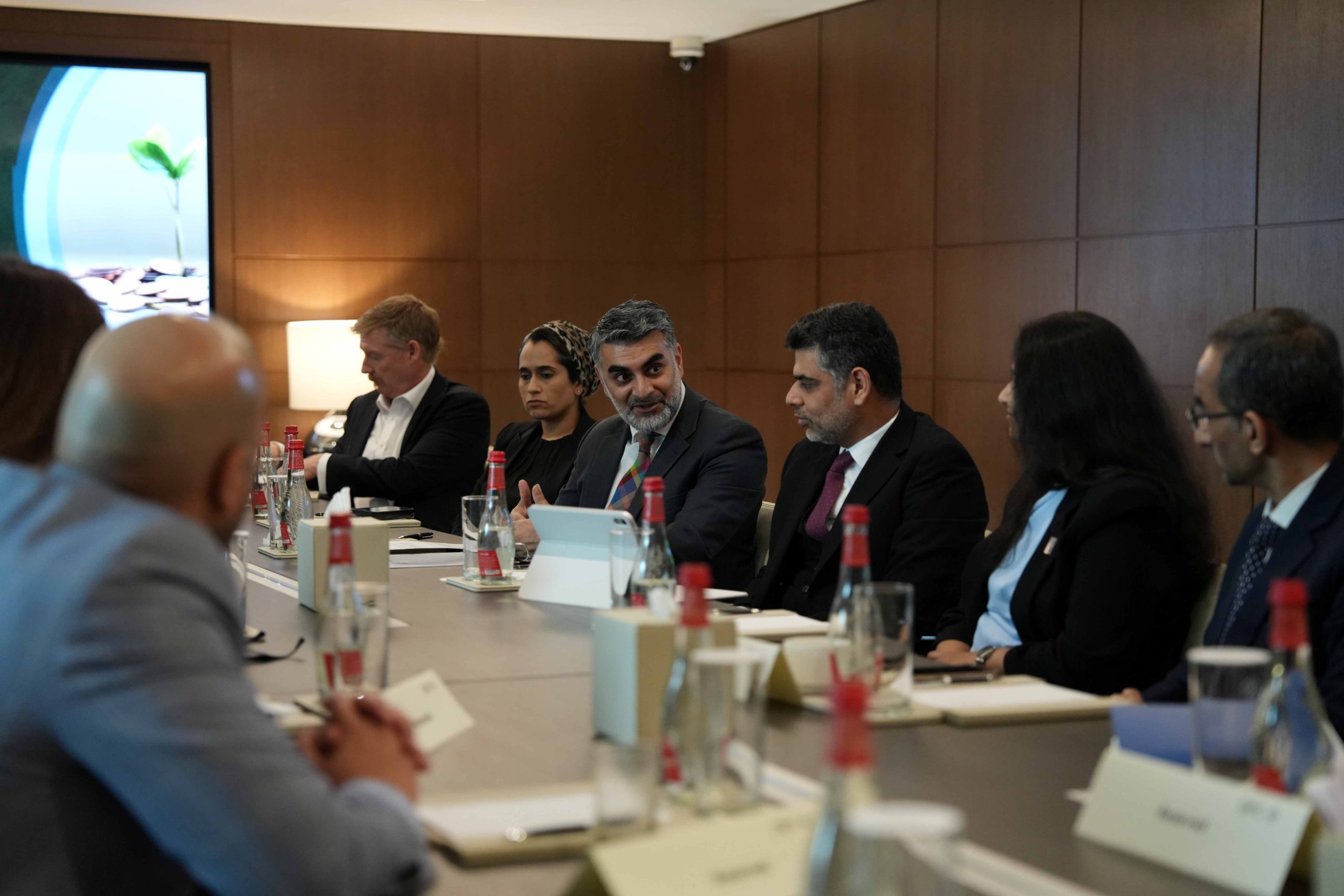
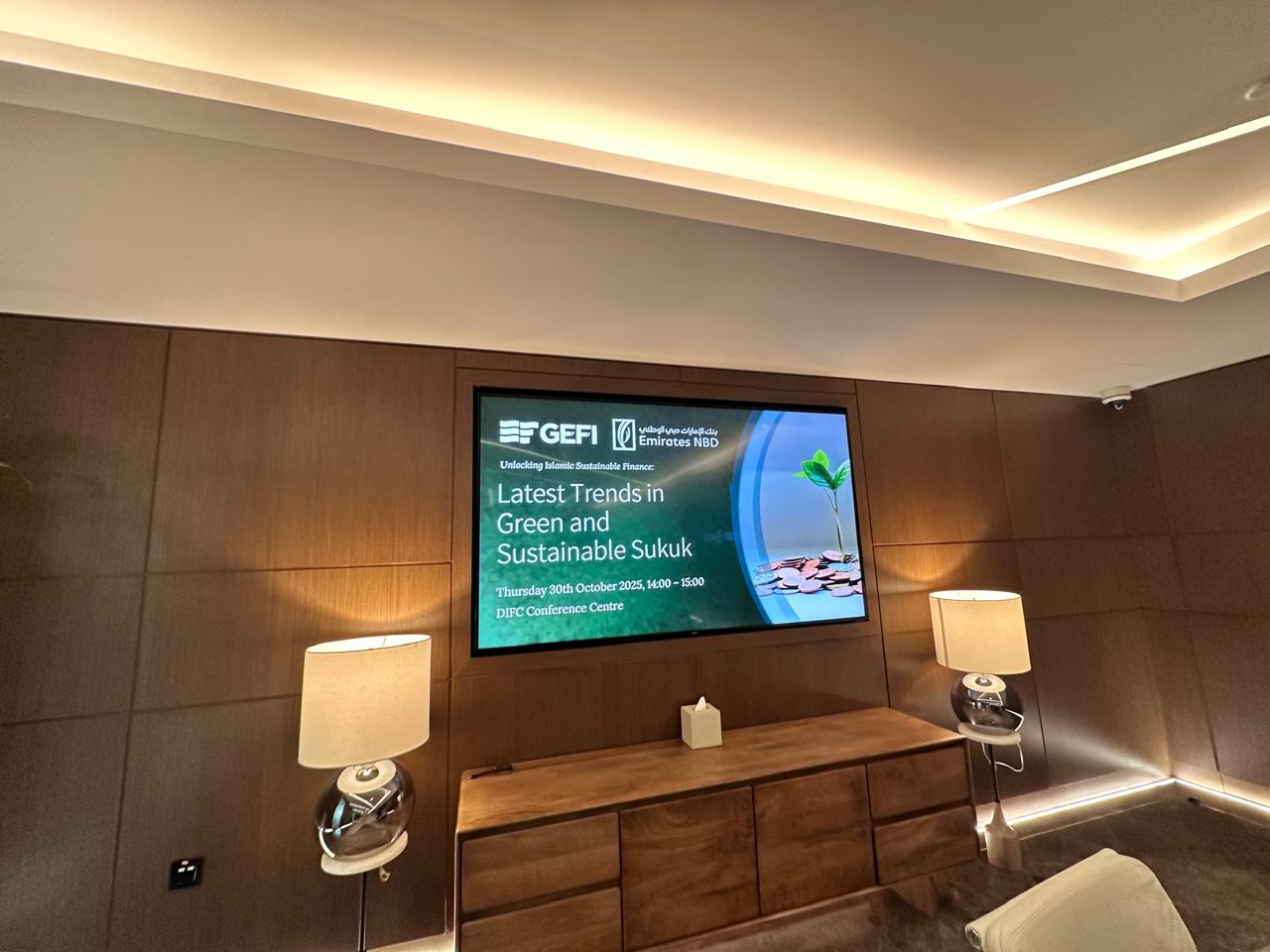
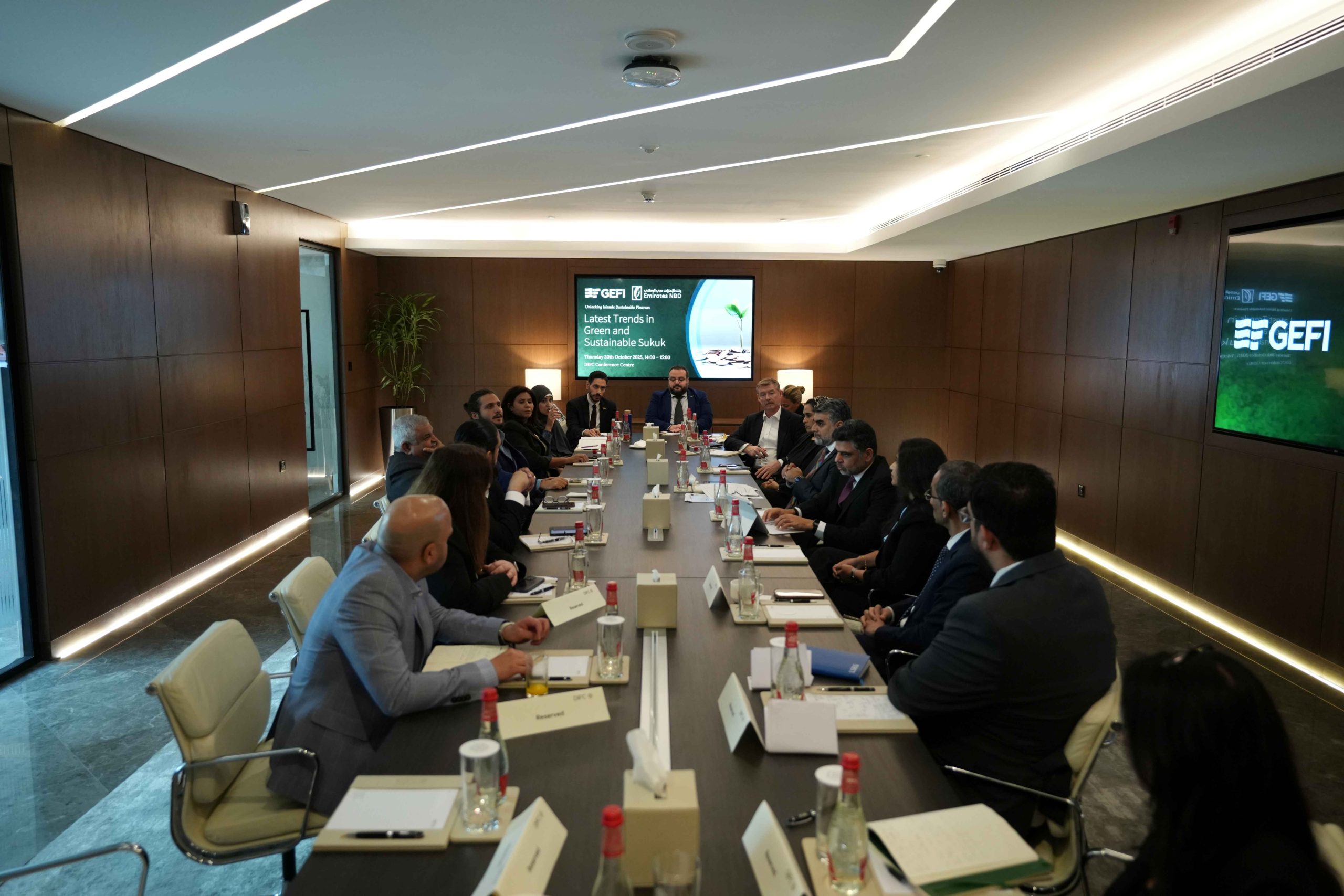
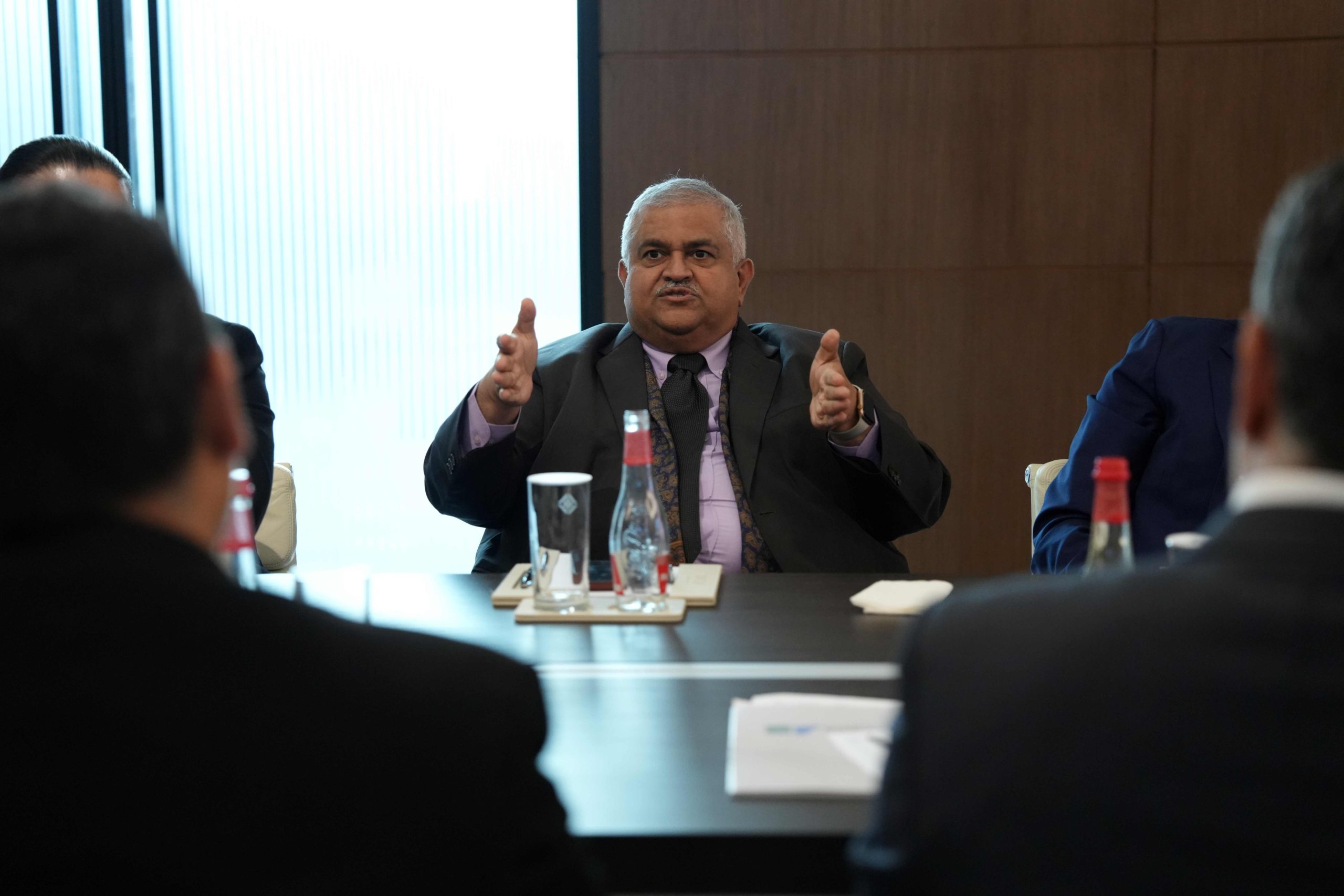
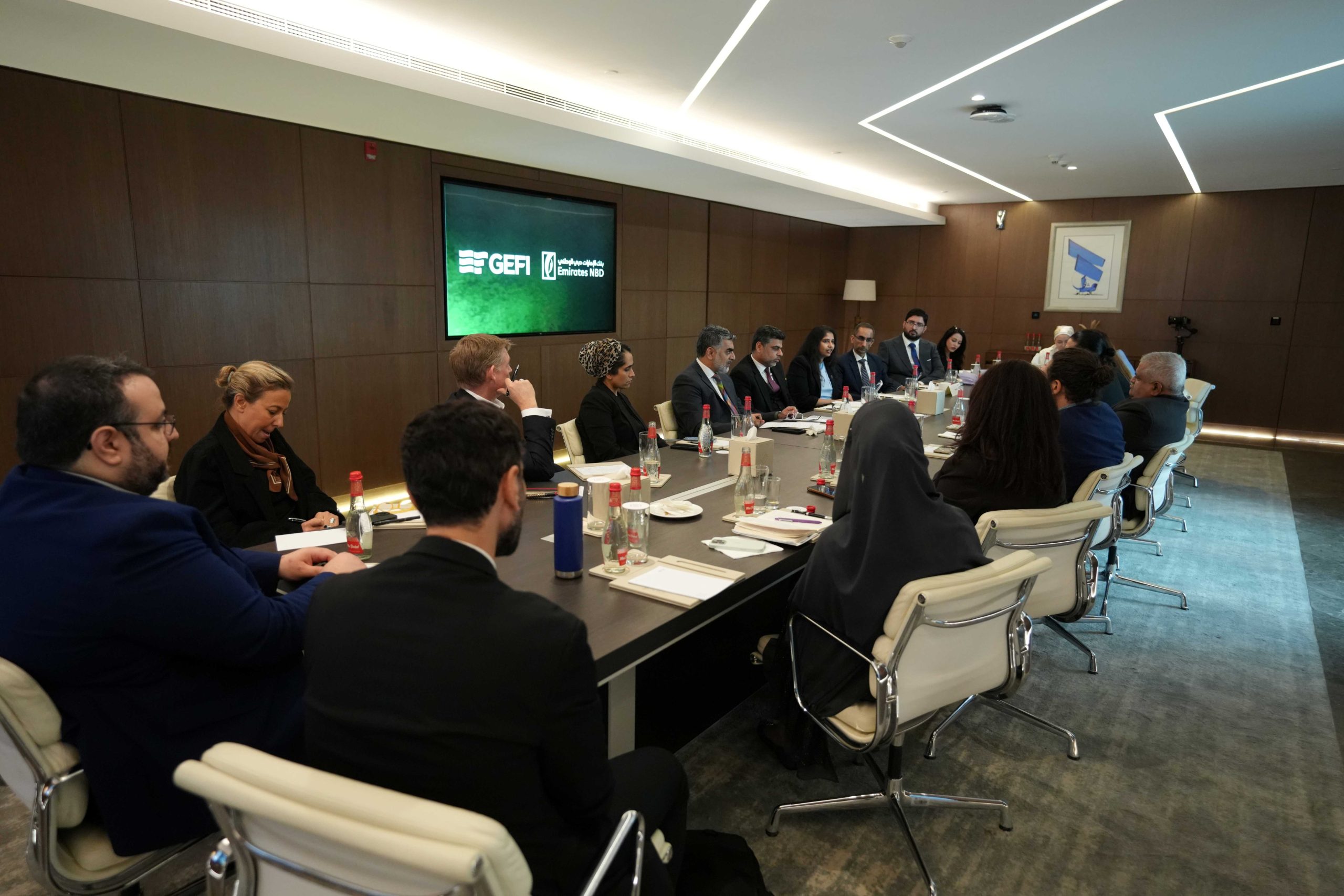
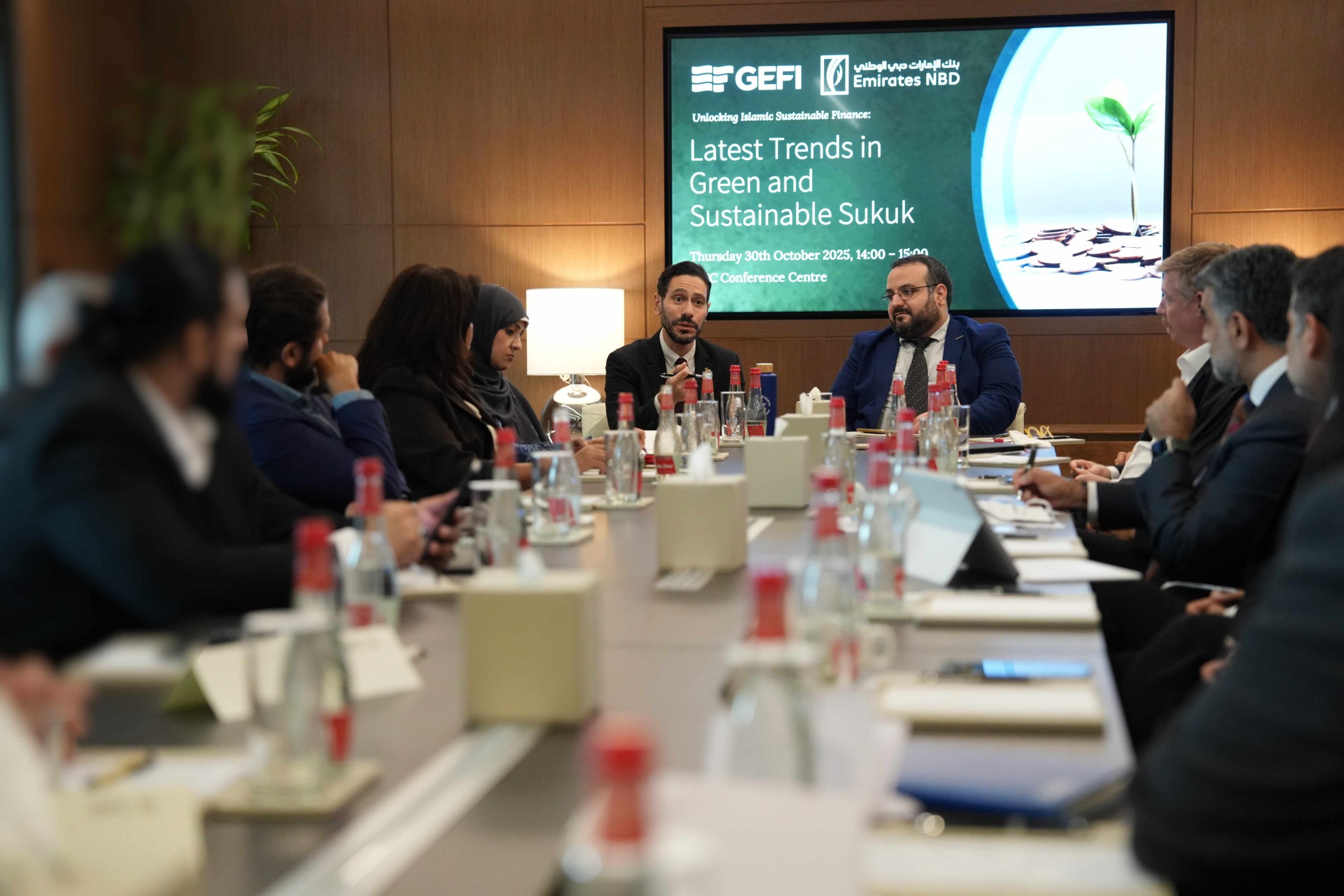
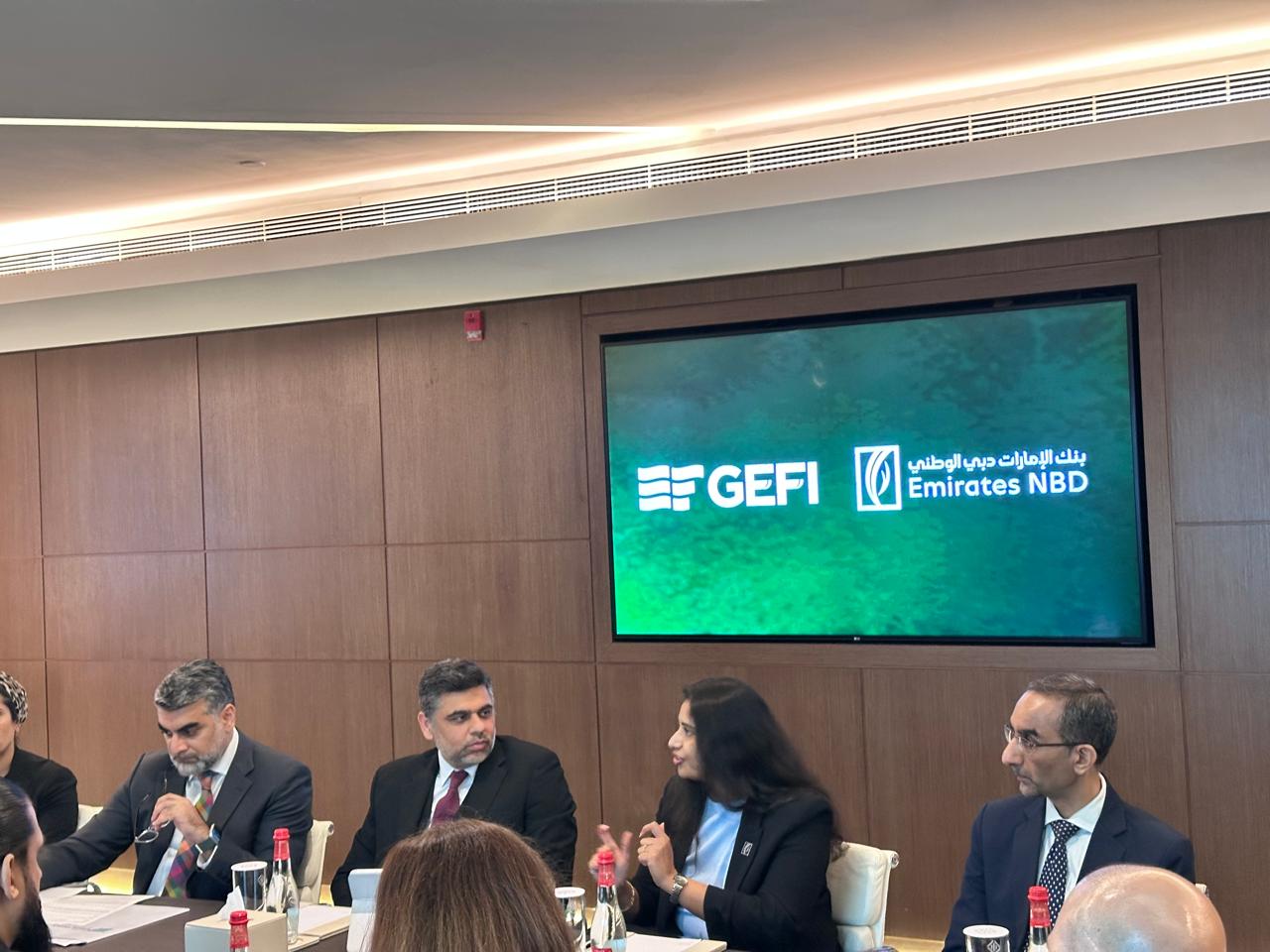
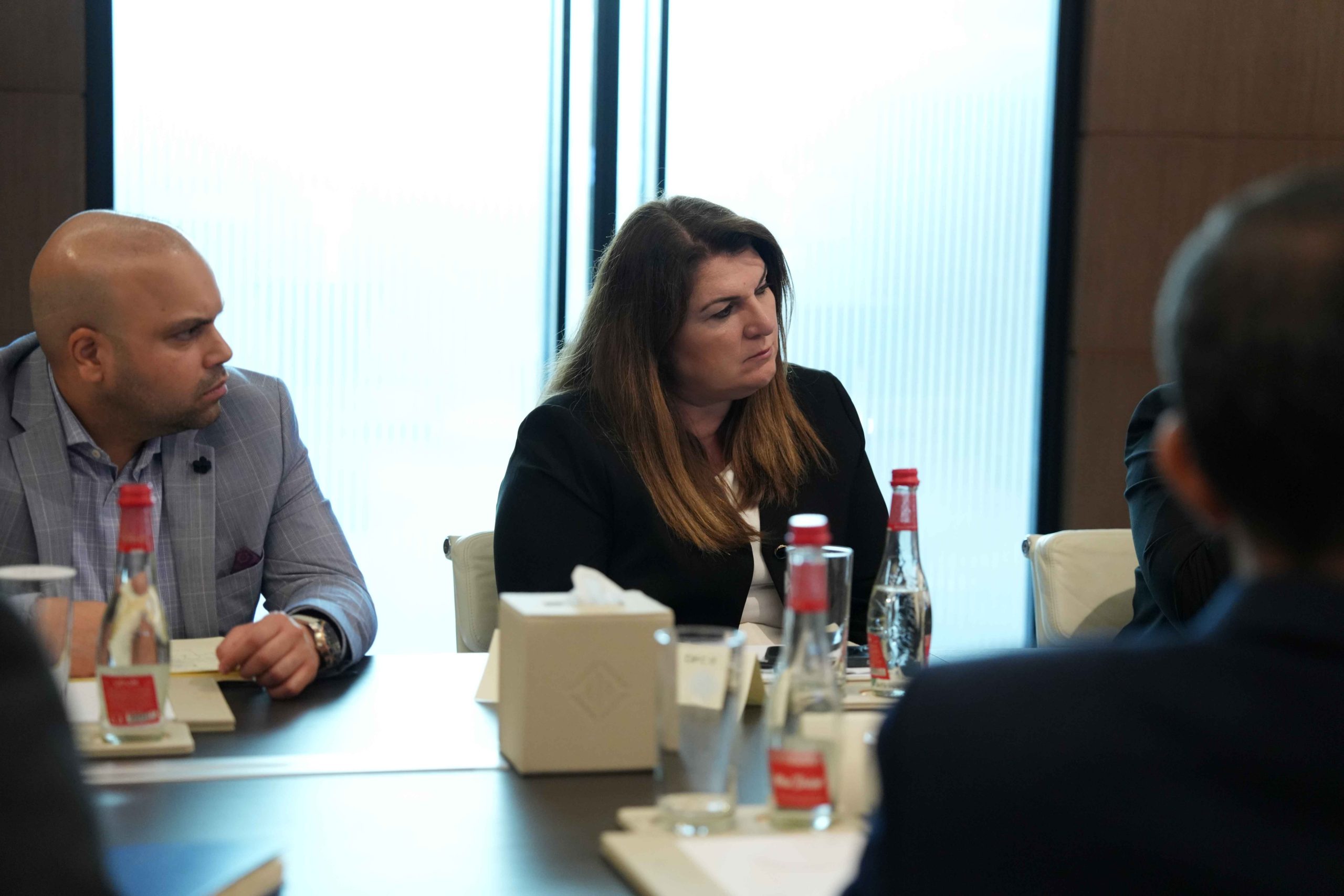
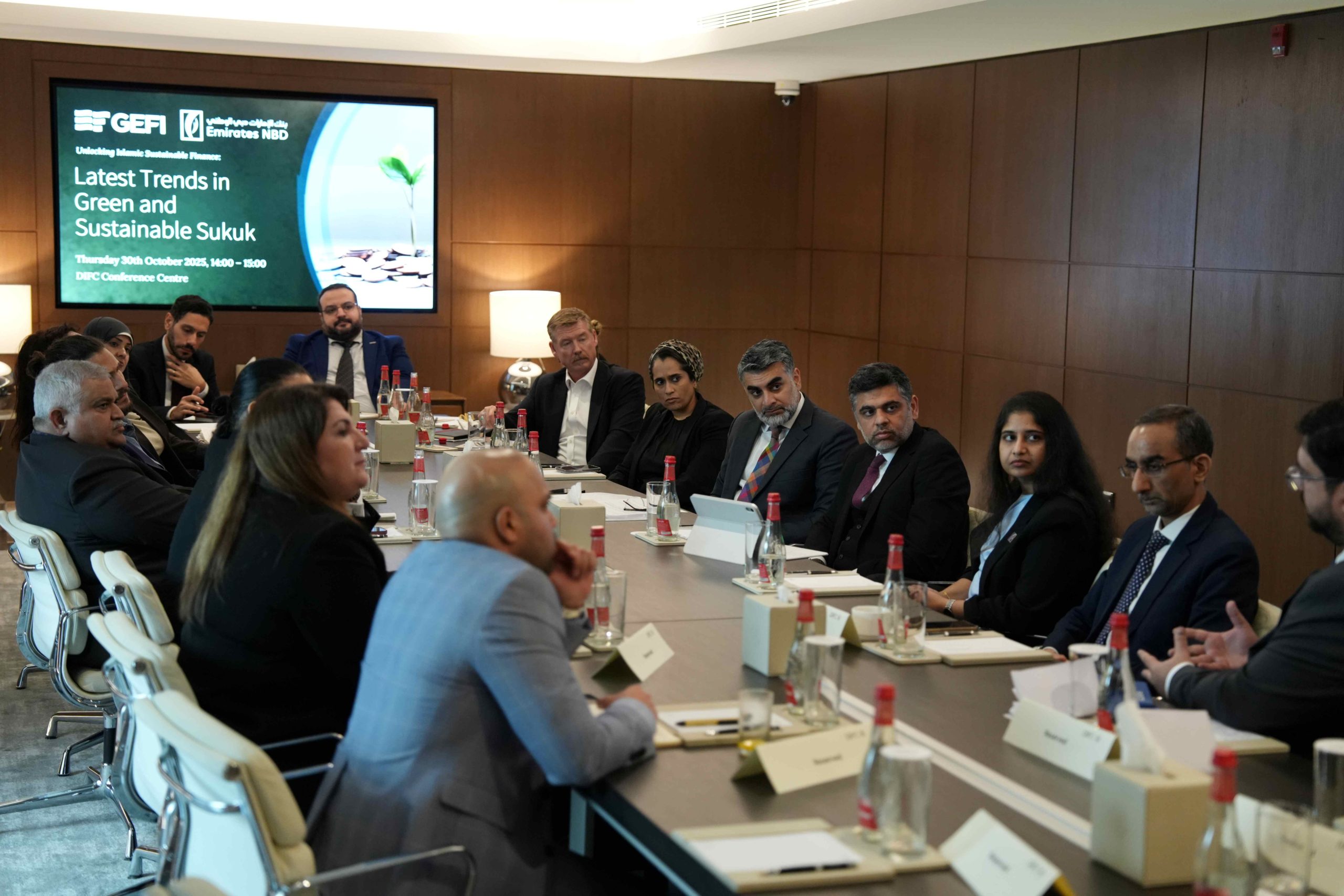
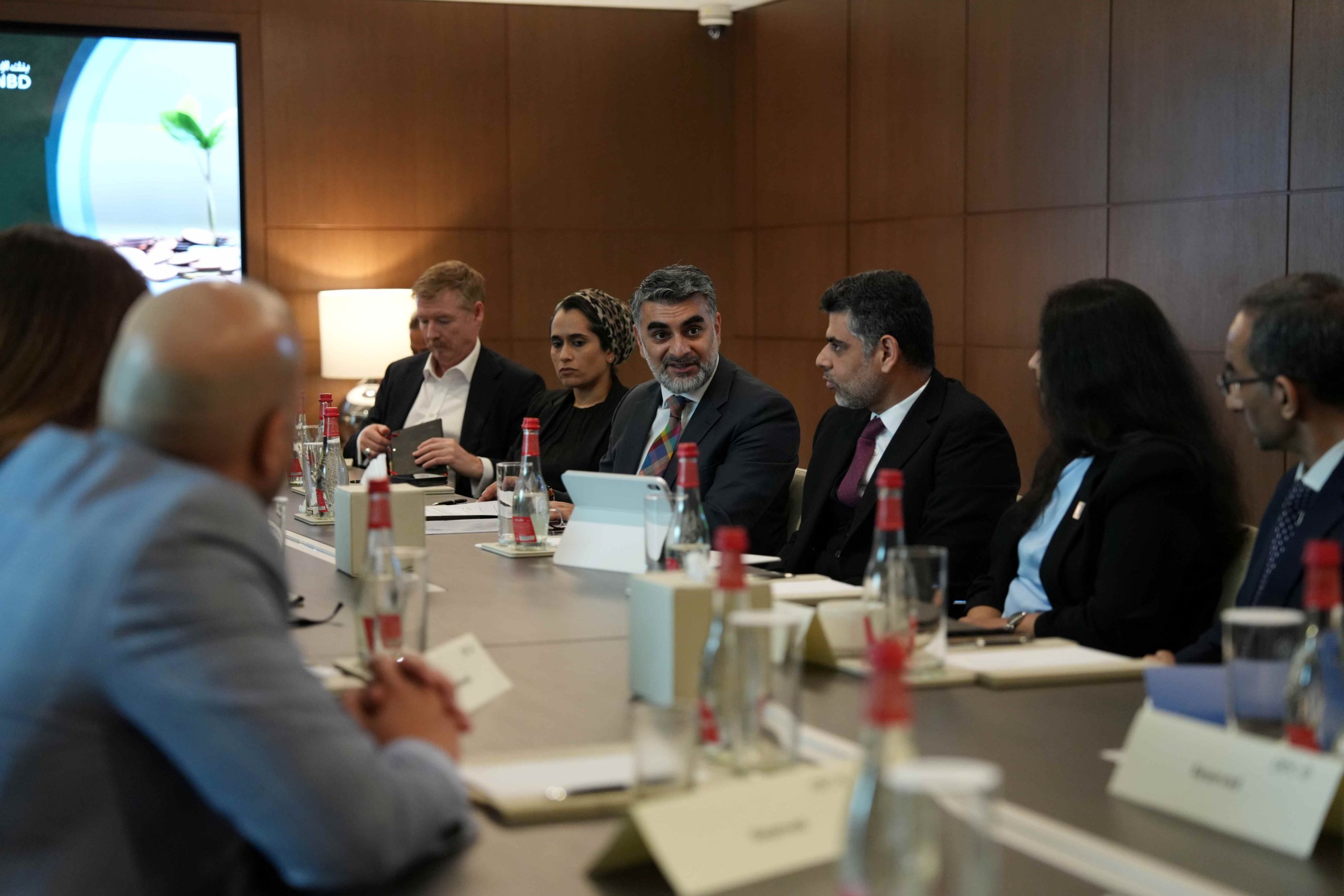
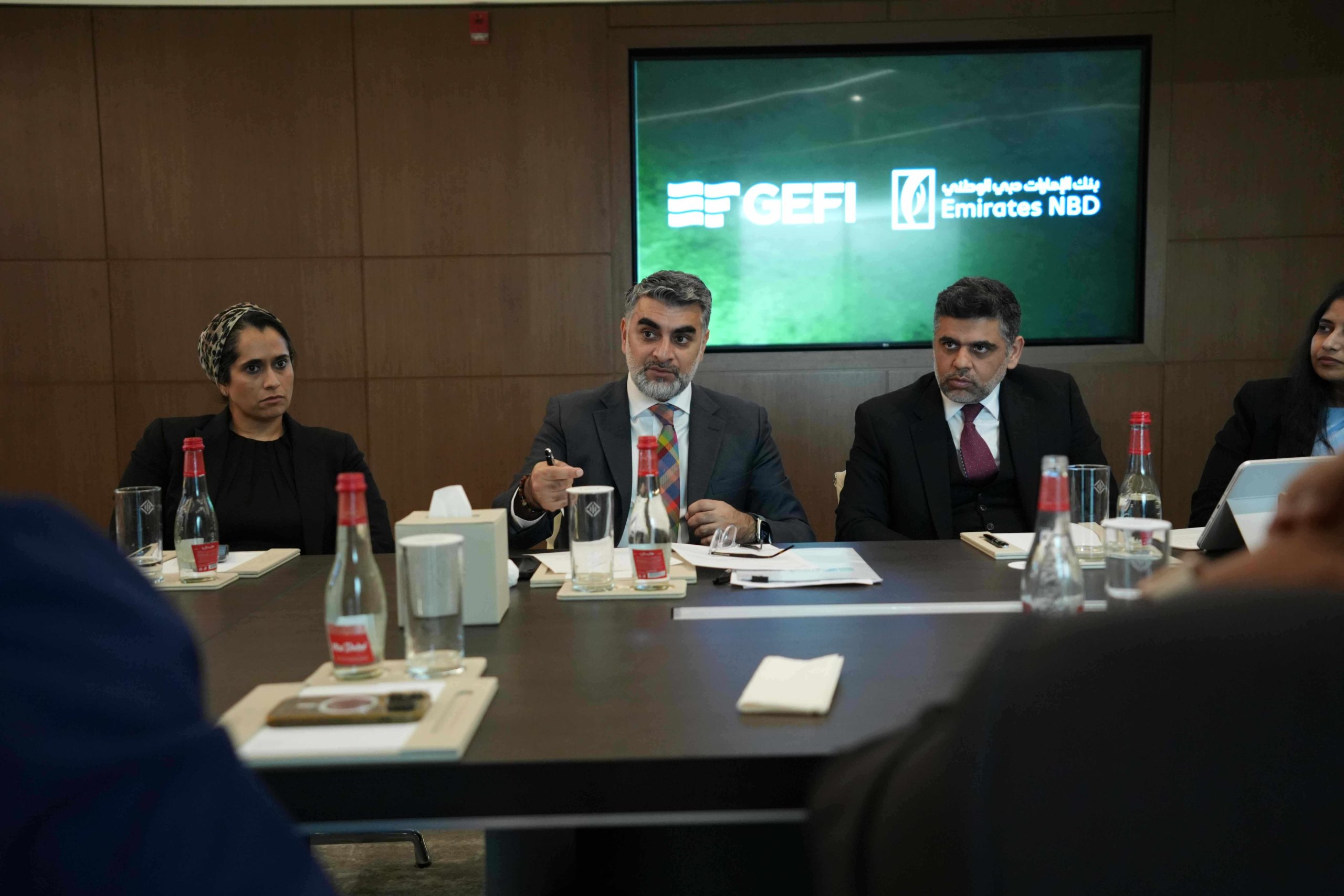
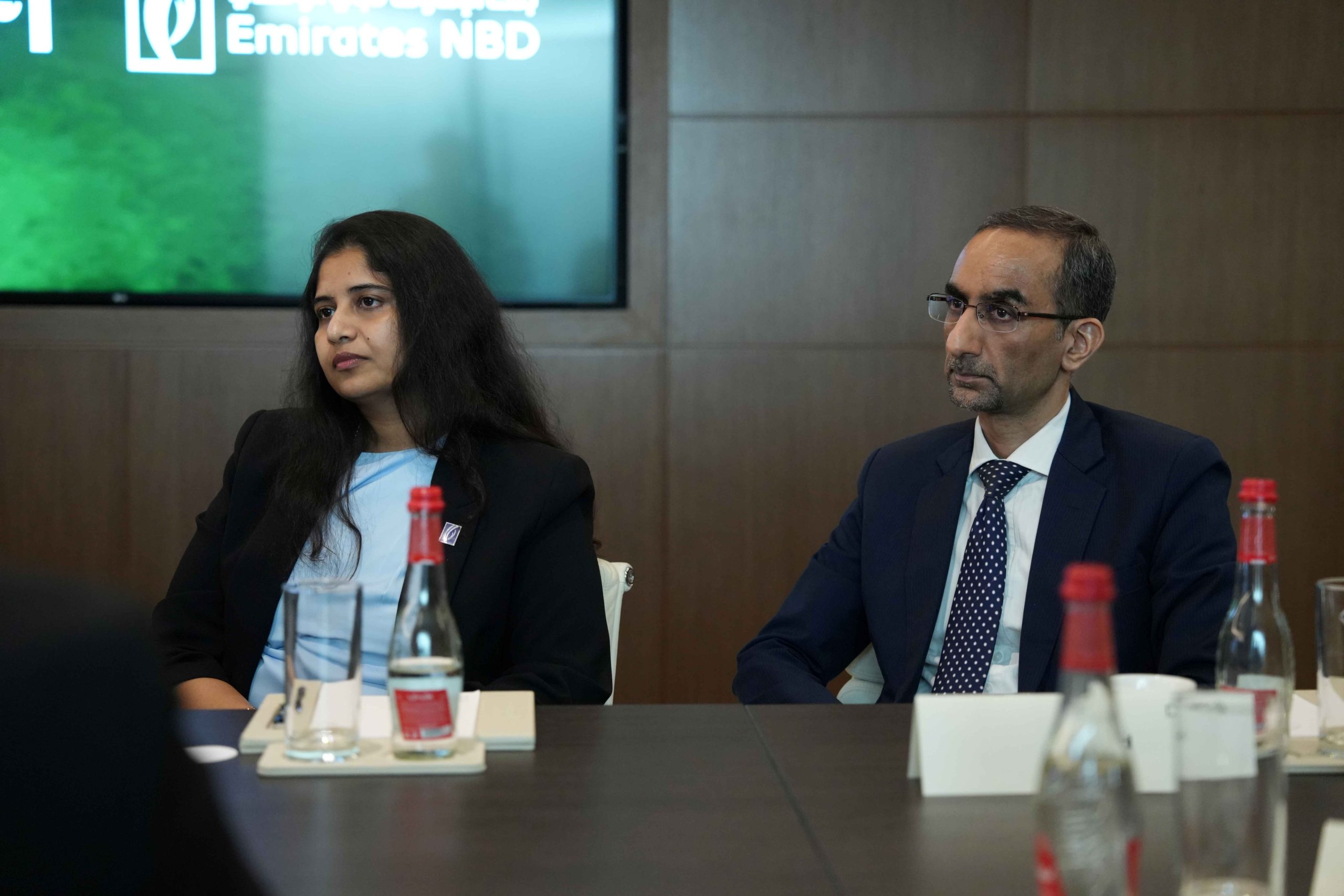
The session was facilitated by Omar Shaikh, Managing Director, GEFI, and featured insights from Atif Iqbal, Head of Strategy, Emirates Islamic, and Tayyab Ahmed, Head of Research, Islamic Finance, LSEG Data & Analytics.
The round table convened senior market participants to explore the evolving landscape of green and sustainability sukuk in the GCC. The discussion was anchored by the recent trajectory of Emirates NBD Group, highlighting Emirates Islamic’s recent issuance of the world’s first Sustainability-Linked Financing Sukuk.
Participants emphasised that environmental and social objectives cannot be pursued independently. Climate mitigation, resource efficiency, resilience-building, livelihoods, and inclusion are mutually reinforcing and must be reflected together in structuring decisions, use-of-proceeds allocation, and post-issuance reporting. This point underscored the need for a regionally grounded taxonomy to provide clarity on eligible assets and on reducing transaction friction, particularly for first-time issuers and sectors that are only beginning to engage with transition finance.
Strategic Partner:
Host:

The conversation then considered lessons from the conventional green bond market, where standardisation over time has helped lower costs and expand the investor base. Participants agreed that similar alignment around frameworks, verification practices, and reporting expectations would help deepen the GCC sukuk market, while noting that the integrity of Shariah-compliant finance requires particular attention to real economic activity, transparency, and measurable outcomes.
A significant theme of the session was the emerging role of nature-linked financing. Asset managers described growing interest in opportunities linked to nature and biodiversity restoration, but stressed that investability requires scale, comparability, and credible pipelines. The TNFD (Taskforce on Nature-related Financial Disclosures) LEAP (Locate, Evaluate, Assess, Prepare) approach was highlighted as a practical way to map and de-risk nature-positive opportunities systematically. Participants also discussed the potential of sovereign and sub-sovereign issuances to anchor the market, recognising that blended and guarantee-based de-risking mechanisms will be essential to crowd in private capital in the early stages.
The session concluded with a shared recognition that progress will depend on coordinated ecosystem-building rather than isolated transactions. Banks, NGOs, governments, standard setters, project sponsors, and verification providers must work more intentionally together to move from individual structures to a coherent market pathway. As next steps, the group expressed interest in advancing issuer readiness for 2026 transactions, piloting a LEAP-based nature pipeline review, and continuing alignment on reporting and taxonomy development.
Relevant Thought Leadership