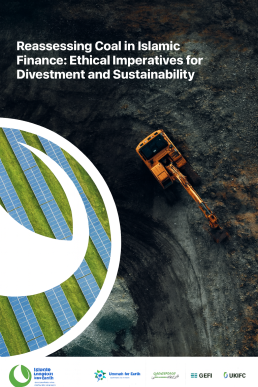
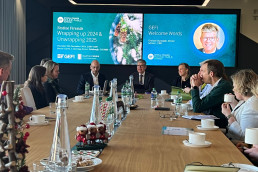
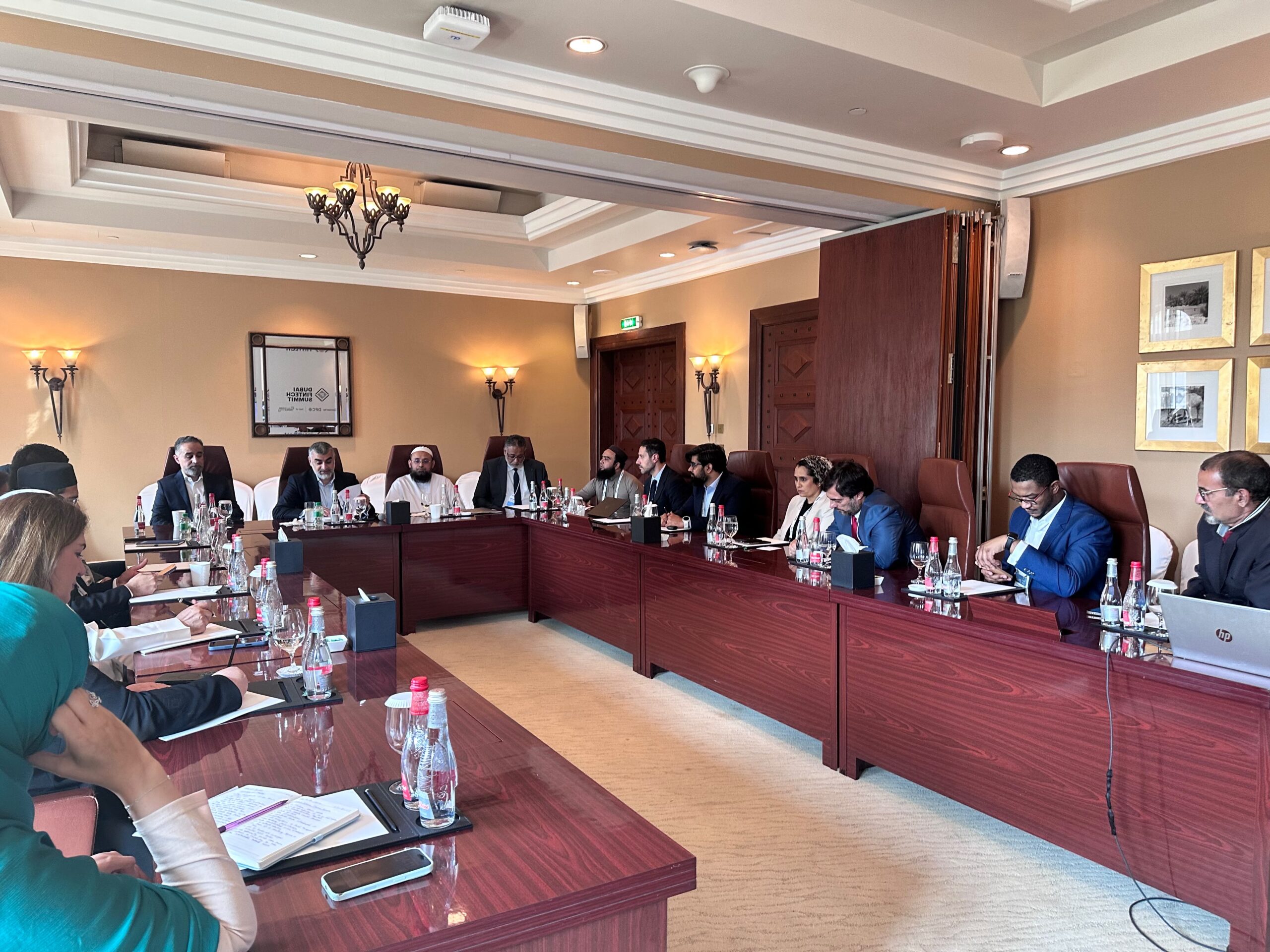
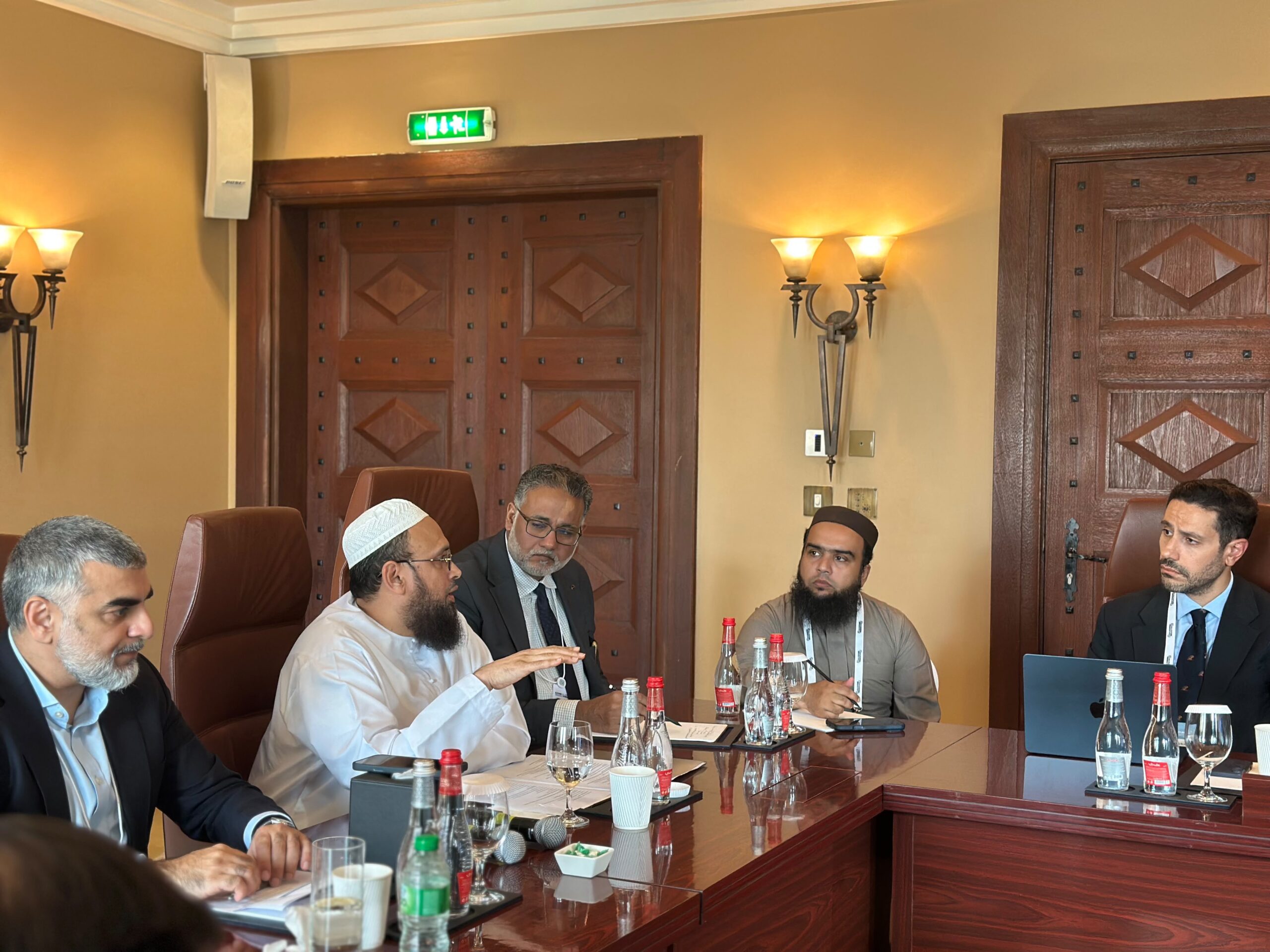
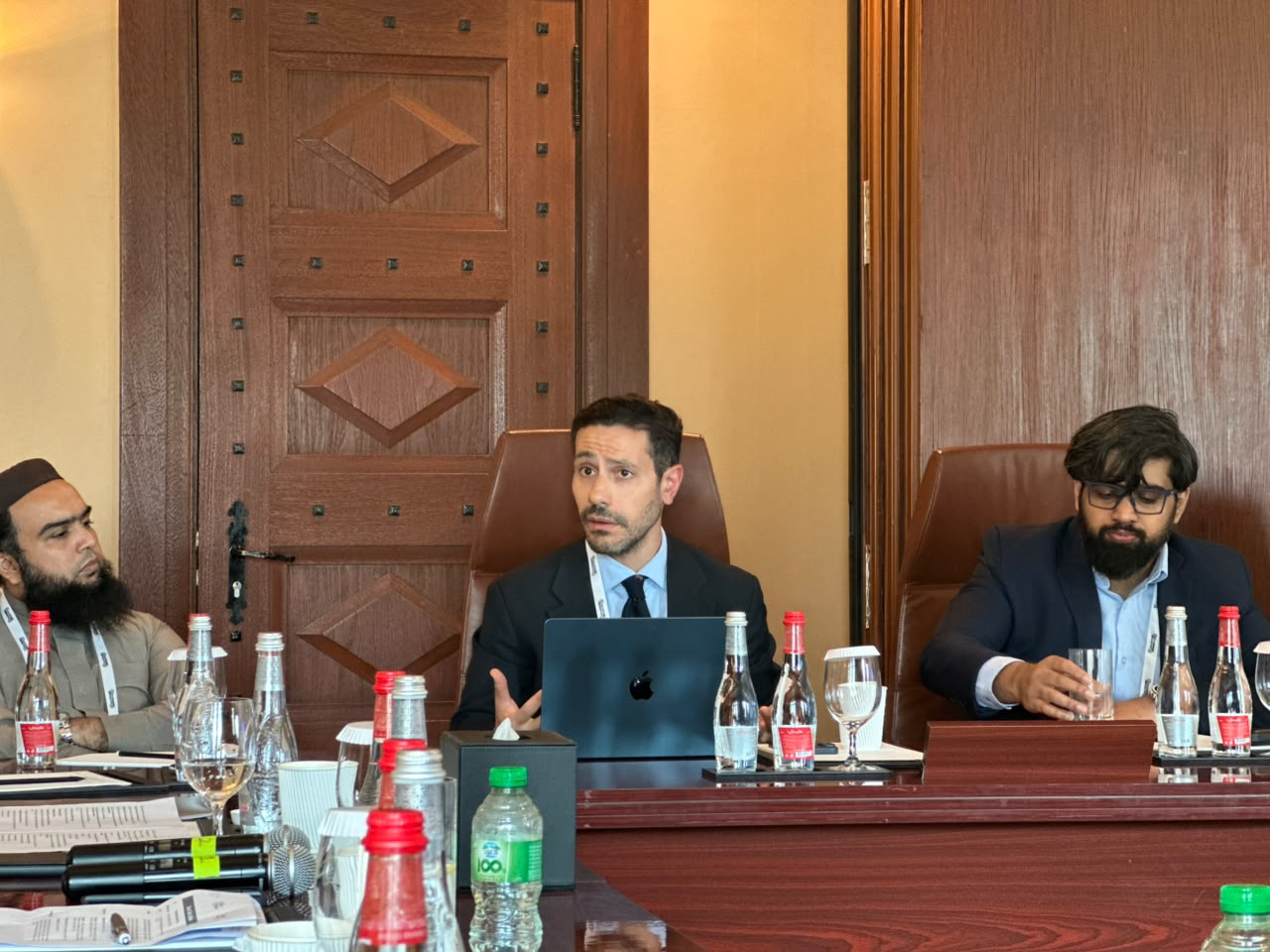
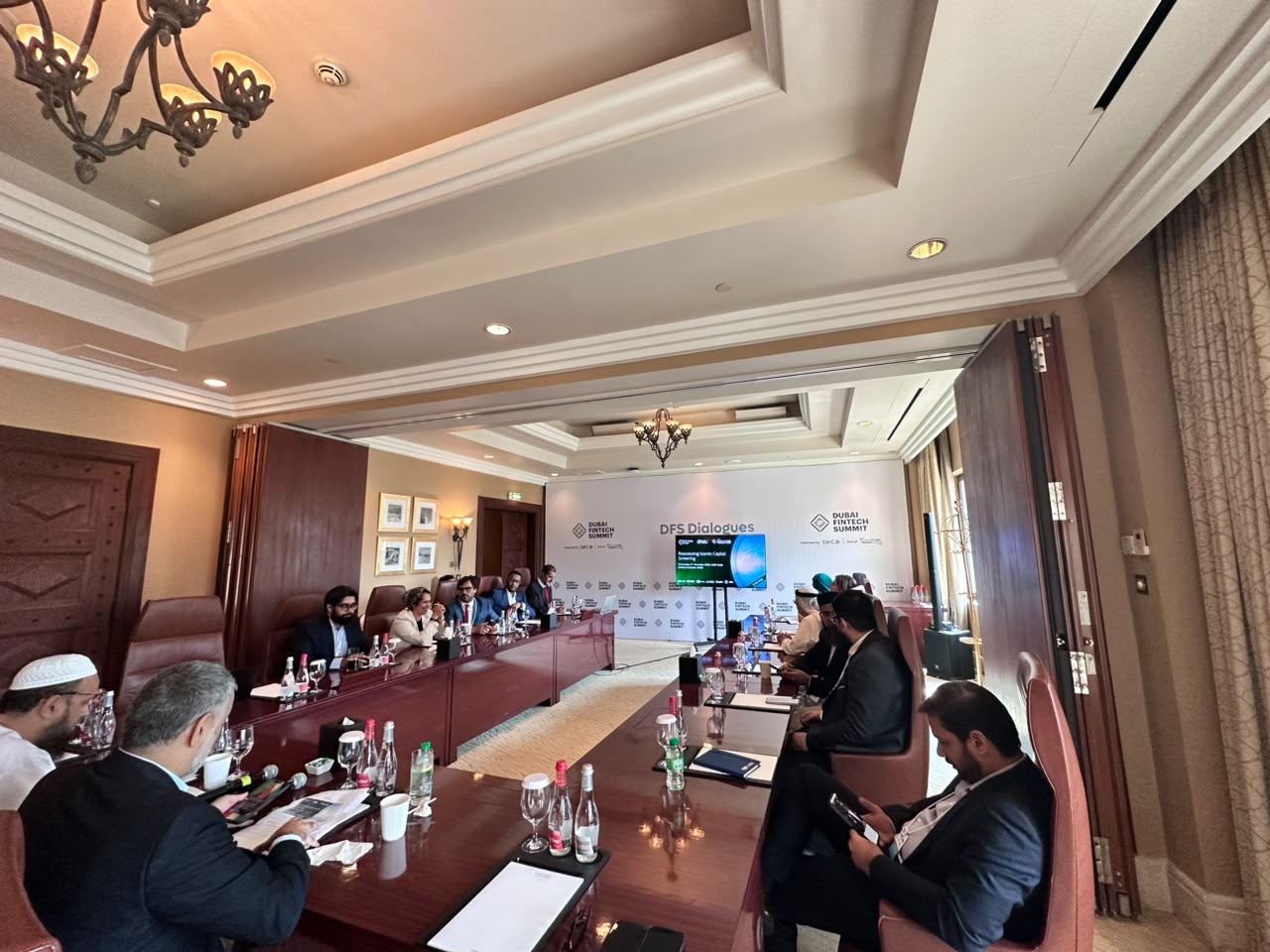
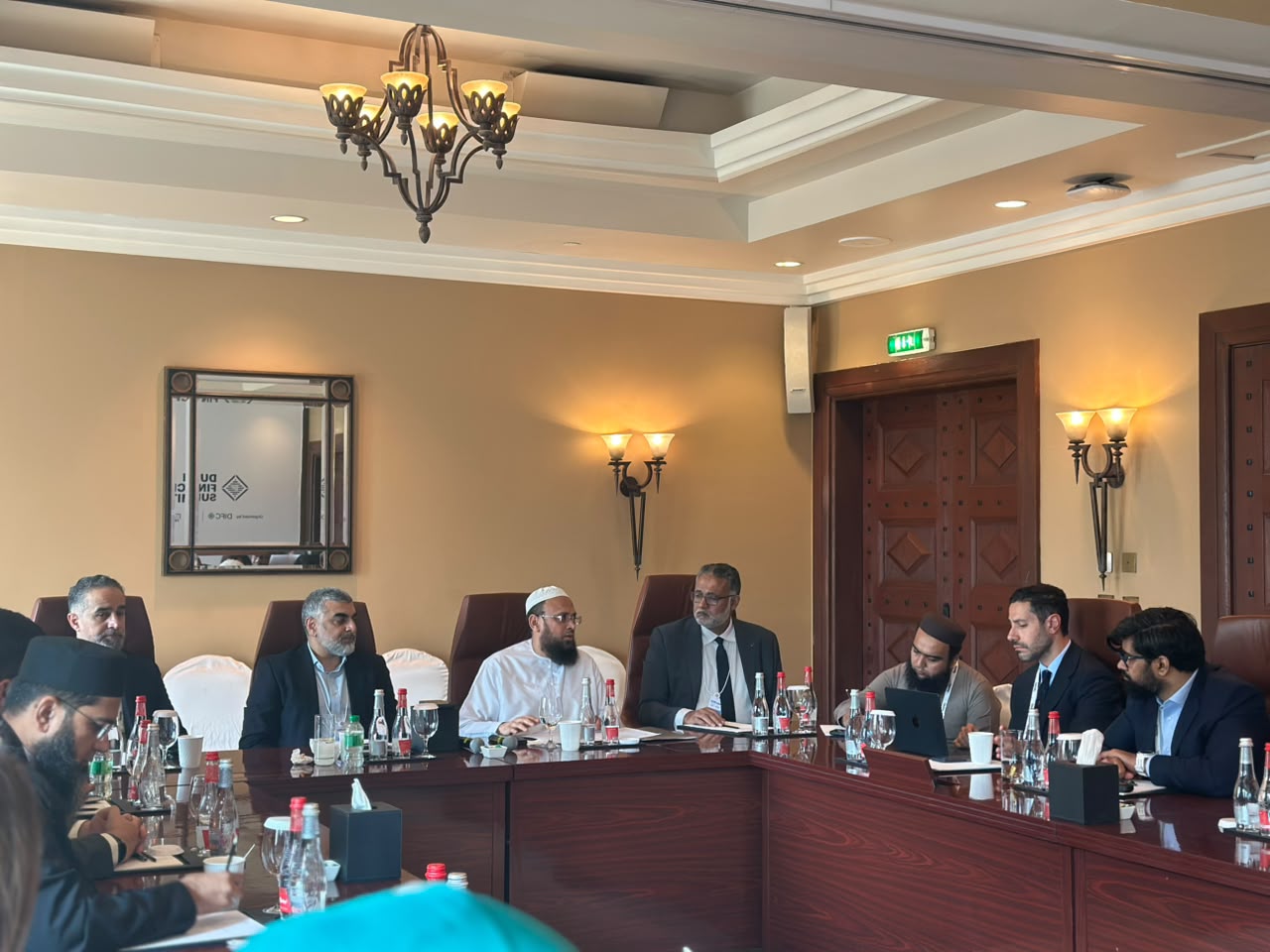
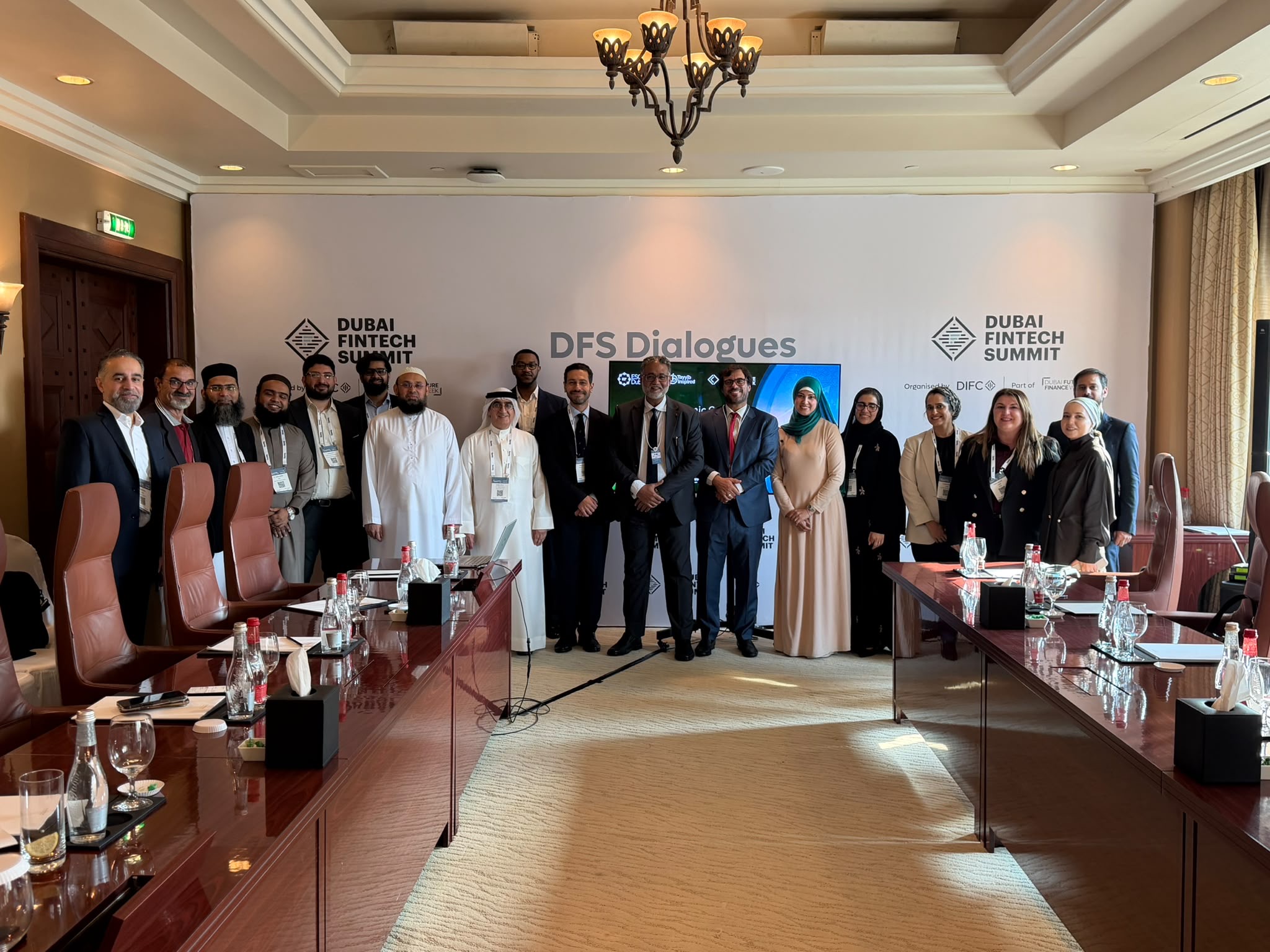
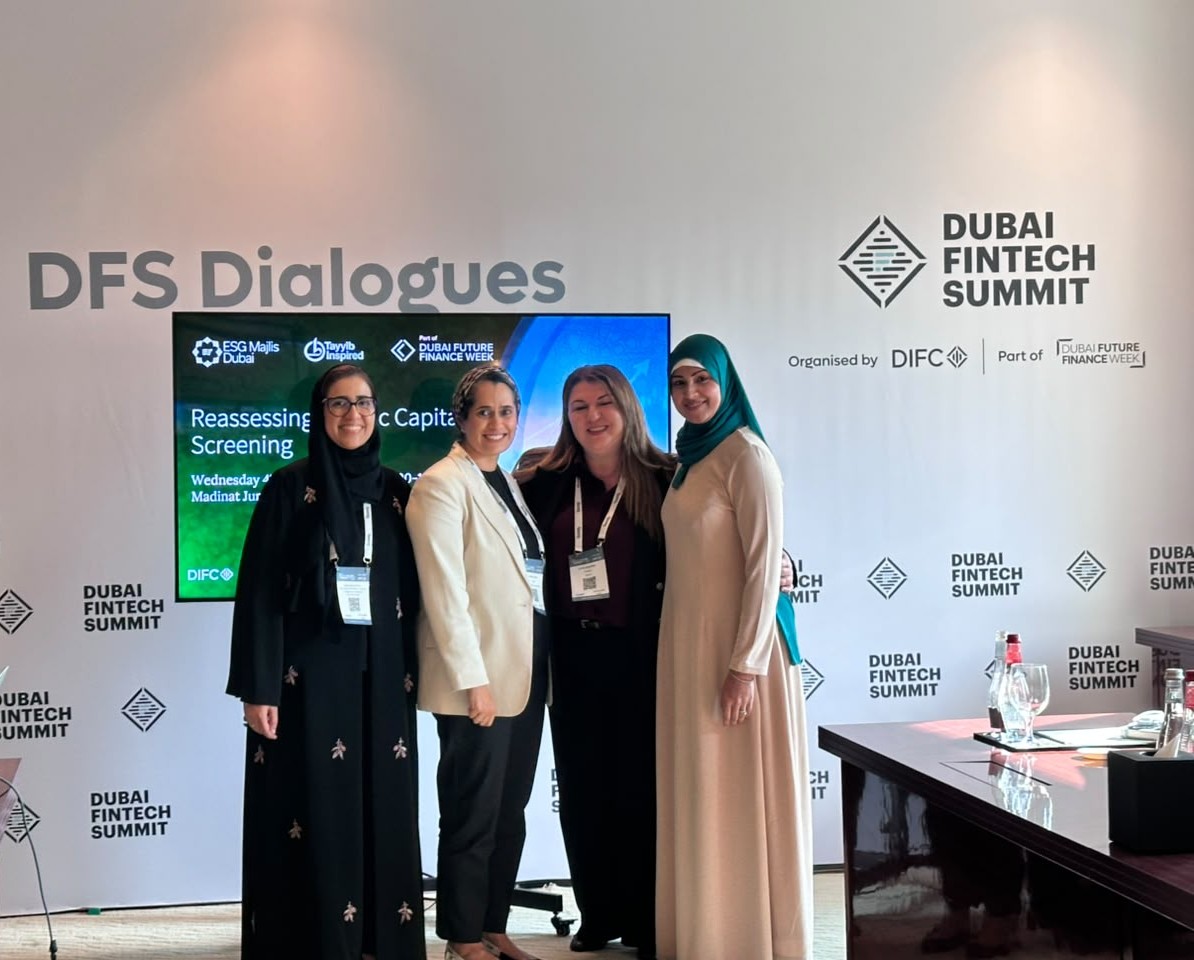
The session featured insights from Sheikh Muhammad Abdul Mubeen, Global Head of Shariah, Standard Chartered Bank, and Tariq Al Olaimy, Islamic Finance Advisor, Greenpeace MENA.
The discussion explored a central question: How should Islamic investment screening evolve to account for demonstrable harm, changing geopolitical circumstances and the broader objectives of Shariah? Particular attention was given to coal, defence-related activities and dual-use technologies, alongside the practical challenges of translating scholarly interpretations into investment standards.
Key discussion points from the interactive session are summarised below.
Prevention of Harm and the Case of Coal
The discussion opened with reflections on the early development of Islamic investment screening to facilitate participation in global equity markets. While these frameworks have supported the growth of Islamic finance, participants highlighted the distinction between exclusions grounded in explicit Shariah prohibitions and those influenced by broader ethical considerations. This raised questions about whether established criteria should be periodically reassessed in response to emerging environmental, social and geopolitical risks.
The discussion also highlighted the reputational implications for Islamic finance where investments satisfy conventional screening criteria but raise wider questions about corporate conduct. Distinguishing legitimate defence activities from technologies associated with human rights concerns remains particularly challenging. Software, data analytics and other dual-use technologies may serve civilian purposes while also supporting military operations, complicating traditional sector-based exclusions.
Participants questioned whether investment eligibility should therefore consider not only business classifications, but also the application of technologies, their end users and potential consequences.
A central theme was the case for reassessing coal investments in light of scientific evidence concerning public health and environmental damage. Participants discussed the consequences of coal-related air pollution, mining and environmental degradation, particularly for communities in Muslim-majority countries.
The established exclusion of tobacco from Islamic investment portfolios provided an important comparison. Participants noted that tobacco is excluded under certain screening frameworks even where scholars differ over its precise jurisprudential classification, demonstrating how ethical considerations can extend beyond explicit prohibitions.
However, coal’s continuing role in electricity generation and economic development complicates the comparison. Rather than advocating an immediate universal exclusion, the discussion considered whether investments could be progressively restricted where cleaner, economically viable alternatives exist.
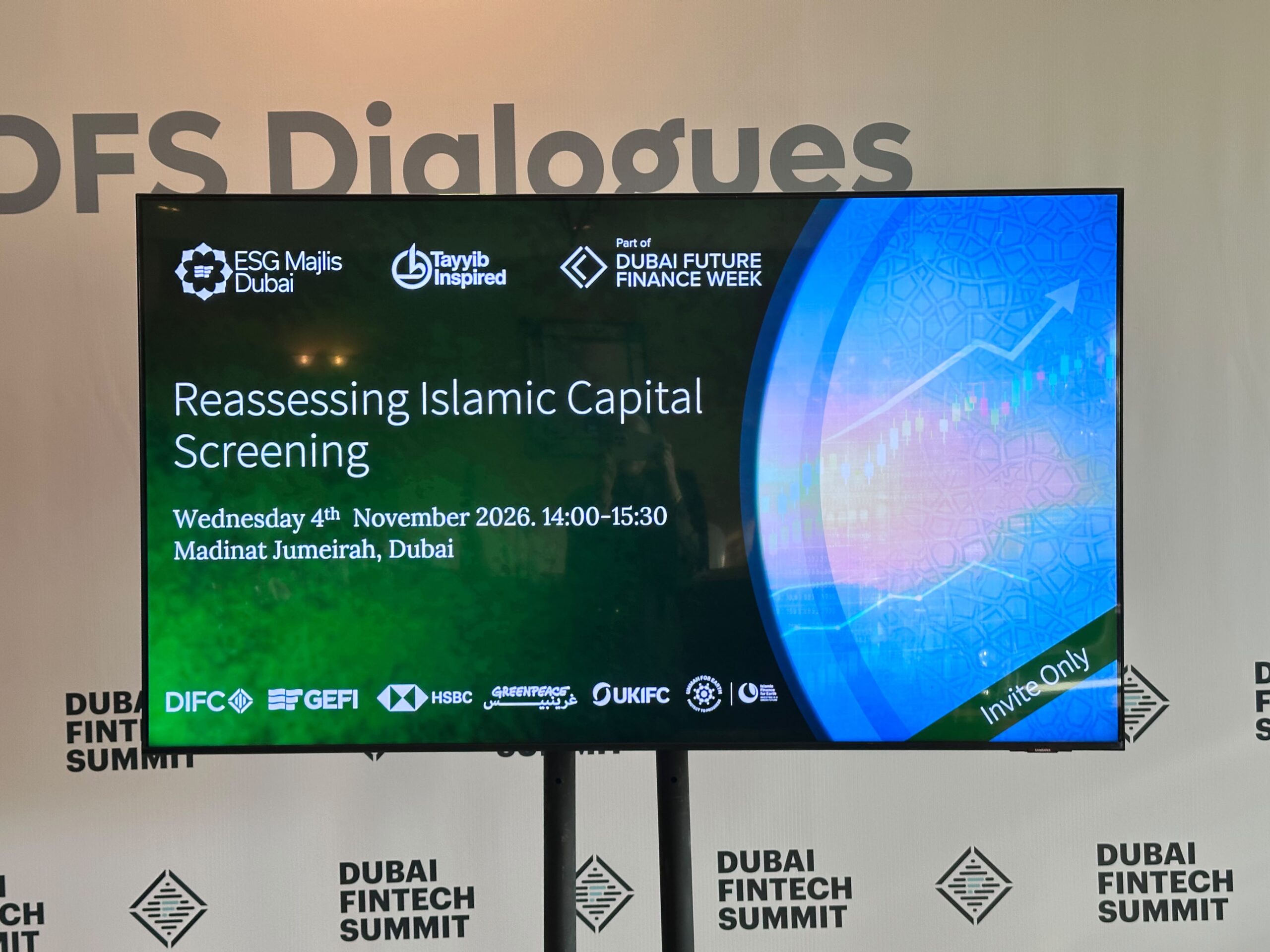
Strategic Partners:




Reassessing Screening Methodologies
Participants explored how established jurisprudential concepts, including maslahah (public interest) and urf (custom), might inform the reassessment of investment eligibility. Shariah scholars emphasised that rulings on activities not explicitly prohibited may depend on the extent of harm, local circumstances and competing public interests.
This prompted debate over whether revised screening methodologies should adopt blanket exclusions or more geographically differentiated, dynamic approaches.
A recurring concern was the gap between intellectual debate and institutional implementation. While scholars and researchers have examined the limitations of existing screening methodologies, differences in regulation, governance and institutional practice continue to complicate their application.
Participants recognised that revising screening methodologies requires not only sound jurisprudential reasoning but also practical guidance, regulatory coordination and governance arrangements capable of supporting consistent implementation.
Conclusion: Beyond Compliance Towards Ethical Alignment
The discussion highlighted that reassessing Islamic investment screening involves more than expanding the list of excluded industries. It requires considering how established methodologies can respond to contemporary evidence of environmental degradation, human rights concerns and societal harm.
While no universal approach emerged, participants explored the potential for more evidence-based, context-sensitive and operationally credible screening frameworks. The central challenge for Islamic finance is ensuring that investment eligibility continues to reflect not only technical Shariah compliance, but also the wider principles of justice, welfare and the prevention of harm.
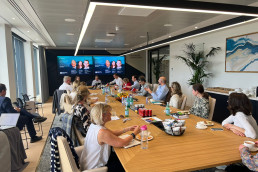


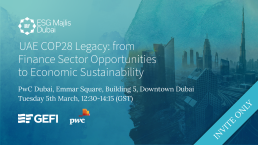
The inaugural ESG Majlis Dubai series event, delivered in partnership with PwC, will convene financial services leaders, by invitation only, to discuss key regional finance opportunities and challenges across the components of ESG. This session is themed “UAE COP28 Legacy: from Finance Sector Opportunities to Economic Sustainability”.

Relevant Thought Leadership